
Planting
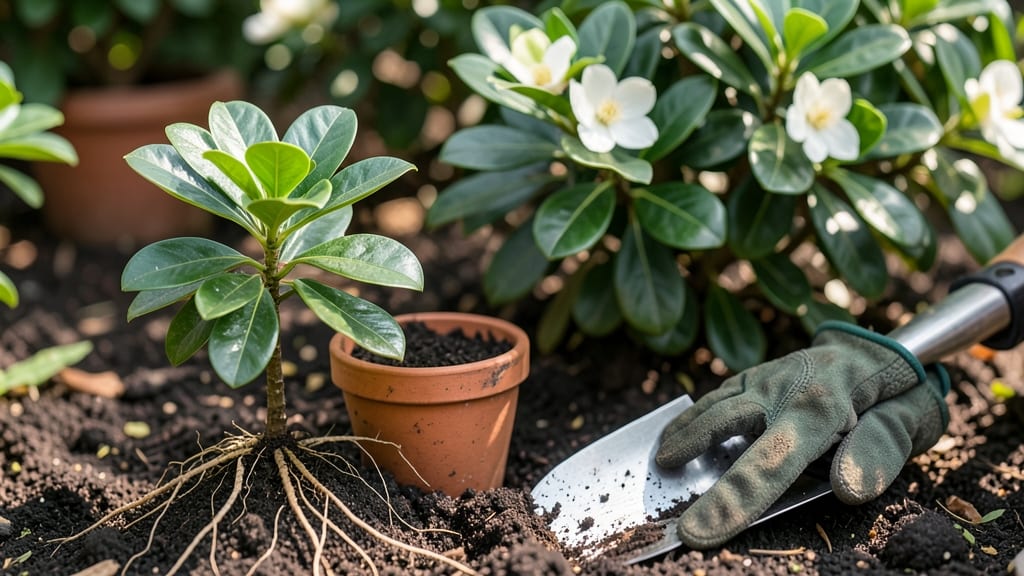
Planting gardenias at the best time ensures fragrant blooms 🌸 and healthy growth for years to come.
Struggling to get your gardenia to bloom? The secret isn’t just good soil or sunlight—it’s planting at the perfect time for your climate zone. Get it wrong, and you’ll wait years for those intoxicating white flowers.
But plant at the right moment, and your gardenia could reward you with fragrant blooms within months.
In Zone 6 and cooler regions, aim for late spring to early summer after the last frost—typically May or June. Warmer zones like 7-10 can plant as early as April or even late fall, but timing depends on your local frost dates.
The key is avoiding both early frosts and scorching summer heat during the root-establishment phase.
Below, I break down the exact months for your zone, soil prep tips to boost success, and how to tell if you’ve planted at the wrong time. With the right timing, your gardenia won’t just survive—it’ll thrive.
Optimal planting months for gardenias by USDA hardiness zones
Planting your gardenia at the right time is the difference between a thriving shrub bursting with fragrant white blooms and a struggling plant that never quite recovers. Since gardenias are tropical/subtropical natives, they need warm soil temperatures (above 60°F) and established root systems before facing cooler weather.
The best planting window varies dramatically across USDA hardiness zones 3-11, so let’s break it down by region.
For cooler zones (3-6), gardenias are often grown as container plants or protected shrubs, while warmer zones (7-11) allow for in-ground planting year-round with the right timing.
Even within zones, fall vs. spring planting can make or break your success—especially for container-grown gardenias, which adapt faster to changing conditions.
Here’s your zone-by-zone planting calendar, including temperature thresholds, ideal months, and container vs. in-ground adjustments to maximize your gardenia’s chances of thriving.
In Zones 3-4, where winters are harsh, your gardenia’s survival depends on spring planting after the last frost. Aim for late May to June when soil temperatures consistently stay above 65°F.
These zones are tricky for in-ground plants, so container gardening with winter protection (like bringing pots indoors) is your best bet. If you must plant in-ground, choose a microclimate near a south-facing wall to delay frost exposure.
For Zones 5-6, the window expands slightly to late May through early July, but you’ll still need to monitor soil temperatures.
Spring planting is ideal, but if you’re in a mild microclimate, fall planting in September can work—just cover young plants with frost blankets once temperatures drop below 40°F. Container gardenias in these zones should be winterized with insulation and moved to a garage or shed.
Gardeners in Zones 7-8 have the most flexibility, with two planting windows: March–April for spring blooms or September–October for fall root establishment. Avoid planting in summer heat, as the stress can stunt growth. In-ground plants thrive here, but container gardenias still need winter protection in Zone 7
Signs you’re planting gardenias at the wrong time (and how to fix it)
Your gardenia might be struggling because you planted it at the wrong time. Even with perfect soil and sunlight, timing is critical for these sensitive shrubs. If your plant shows yellowing leaves or slow growth, it could be a sign you missed the ideal window.
Gardenias need stable warm soil temperatures—below 60°F, and roots won’t establish properly. Let’s diagnose the issue and fix it before your plant gives up entirely.
One of the biggest mistakes is planting too early in cooler climates. If you’re in USDA Zones 7-9, avoid planting before mid-spring when frost risk has passed. In Zones 10-11, late summer planting is safer to avoid heat stress.
Watch for wilting leaves or brown edges—these are red flags that your gardenia is struggling with temperature shock or poor root development.
⚠️ Warning: Common Planting Mistakes
Too Early: Planting before last frost (32°F) causes root rot or frost damage. Gardenias need 60°F+ soil to thrive.
Too Late: Planting after July in warm zones delays blooming. Roots struggle to establish before fall dormancy.
Fix: Test soil temp with a thermometer—ideal range is 65-75°F. Use mulch to regulate temperature.
Another clue your timing is off is slow root growth. If your gardenia sits in the same pot for months without new roots, it’s likely stressed from poor conditions. Dig gently around the base—if roots are brown or mushy, you planted too early.
In Zones 8-11, high humidity helps, but stagnant water from overwatering can drown roots. Always plant in well-draining soil with a slightly acidic pH (5.0-6.0).
Check your gardenia’s leaf color for more clues. Yellow leaves often mean nutrient deficiency from poor root establishment, while brown leaf tips signal underwatering or high salt buildup. If leaves drop prematurely, your plant is struggling with transplant shock—a common issue when planted outside the optimal window.
Prune back 1/3 of the foliage to reduce stress and replant in warmer months.
For Zones 7 and below, use frost blankets or wait until after Memorial Day to plant. In Zones 10-11, avoid planting during peak summer heat (June-August). Instead, opt for late summer or early fall when temperatures dip slightly.
A quick soil thermometer check before planting can save your gardenia from heat stress or cold damage.
To fix these issues, start with a soil test and amend with peat moss or sulfur to lower pH. Water deeply 2-3 times per week and mulch with pine bark to retain moisture.
If planted too late, move your gardenia to a protected spot (like a greenhouse or patio) until next spring. With the right timing and care, your gardenia will reward you with fragrant blooms in just a few months!