
Planting
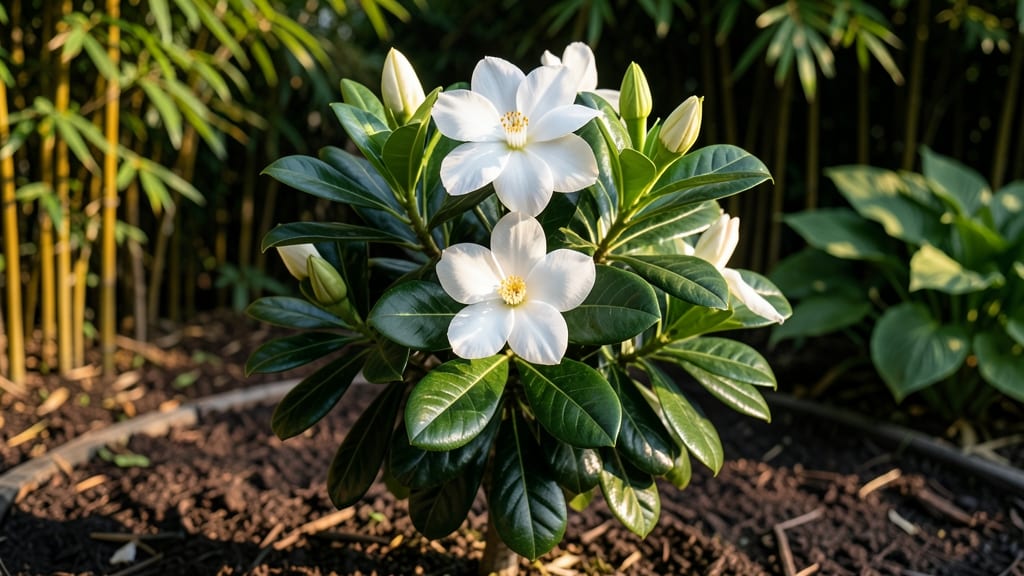
Understanding a gardenia plant's size is the first step to planning where it will thrive — because a 3-foot dwarf fits in a pot while a 6-foot shrub needs a permanent spot in the garden.
If you’re dreaming of fragrant white blooms but wondering whether a gardenia will dwarf your patio or fit perfectly in a pot, the answer depends entirely on the variety you choose. Some stay compact, while others spread wide, and knowing the difference saves you from awkward garden math later.
Most gardenias reach 3 to 6 feet at maturity, but dwarf varieties like Gardenia jasminoides stay under 3 feet, making them ideal for containers or small spaces. Meanwhile, standard shrubs can stretch toward 10 feet if left unchecked, which is why pruning and spacing become critical.
In this guide, I’ll break down how size varies by type, how to control growth, and whether your climate or care routine will make your gardenia lean toward the petite or the grand. Let’s get started.
Gardenia plant size by variety: height and spread at maturity
Choosing the right gardenia variety isn’t just about fragrance—it’s about space planning. Some gardenias stay compact enough for container gardens, while others become towering shrubs that need yard-wide placement.
The most common type, Gardenia jasminoides, typically reaches 3–6 feet tall with a similar spread, but dwarf varieties like 'Radicans' stay under 3 feet. Understanding these differences helps you avoid overcrowding or underutilizing your garden space.
For those with limited room, dwarf gardenias are game-changers. Varieties like 'Kleim's Hardy' or 'Prosperity' max out at 2–3 feet, making them perfect for balconies, patios, or small courtyards.
Meanwhile, larger varieties like Gardenia augusta can grow up to 10 feet tall in ideal conditions, requiring more space and regular pruning to maintain shape. Your garden’s layout—and your pruning tools—will thank you for knowing these details upfront.
🌸 Comparison Table: Gardenia Varieties by Size 🌸
If you’re growing gardenias in containers, size matters even more. Dwarf varieties like 'Radicans' thrive in 15–20 gallon pots, while standard types need 25+ gallons to prevent root-bound stress.
Always leave 2–3 inches of space between the plant and pot edges for root growth. For in-ground plantings, space larger varieties 5–8 feet apart to avoid competition for nutrients and sunlight.
Pruning plays a huge role in managing gardenia size. Regular trimming keeps bushy varieties like Gardenia jasminoides from becoming unruly, while formative pruning in early spring shapes young plants. For climbing varieties (like 'Radicans'), gentle pruning encourages trailing growth without sacrificing blooms.
Always use sterilized shears to prevent disease spread, and prune just above a leaf node for best results.
Climate can also influence gardenia size. In warmer zones (USDA 9–11), gardenias grow faster and larger, while cooler climates (USDA 7–8) may stunt growth unless you choose cold-hardy varieties like 'Kleim's Hardy'.
If you’re in a transitional zone, mulching with organic matter helps regulate soil temperature and supports healthier root development, which indirectly affects plant size.
For small-space gardeners, consider espalier training—gently guiding gardenia branches along a trellis or wall to create a vertical garden. This technique works especially well with 'Radicans' or 'Prosperity', turning them into striking living screens without sacrificing your patio’s square footage.
Just ensure they get enough morning sunlight
How to control gardenia size: pruning and growth habits for small spaces
Gardenia plants naturally grow into lush, fragrant shrubs, but their size can vary dramatically based on pruning techniques and growth habits. If you're working with limited space—like a balcony or small garden—understanding how to manage their height and spread is essential.
The key lies in seasonal pruning and root pruning, which can transform a 6-foot shrub into a compact 2-foot specimen without sacrificing those iconic white blooms.
For container gardening, dwarf varieties like Gardenia jasminoides 'Kleim's Hardy' stay under 3 feet tall with proper care, while standard varieties need regular pruning to prevent them from overtaking your space.
Even a small trim in early spring can encourage bushier growth and more flowers, making your gardenia thrive in tight quarters. Let’s break down the exact steps to control its size effectively.
Use clean, sharp bypass pruners to remove 1/3 of the oldest wood to encourage new, compact growth. Focus on overcrowded branches and those growing inward to improve airflow and bloom production.
Trim spent blooms and overly long stems to maintain shape. Avoid heavy pruning in summer, as this can stress the plant and reduce next year’s flowers. Aim for a rounded, bushy form rather than a flat-topped look.
If growing in pots, trim roots by 1/3 when repotting to prevent root-bound stress. This encourages finer root growth and keeps the plant smaller and more manageable. Pair this with well-draining soil to avoid waterlogging.
Use a low-nitrogen fertilizer (e.g., 10-10-10) to promote bushier, not taller growth. Apply in early spring and summer only, avoiding fall applications, which can stimulate late-season growth vulnerable to frost.
Gardenia growth slows in winter and speeds up in spring. Prune after the last frost to avoid damaging new buds. In USDA Zone 6 or colder, protect young plants with mulch to encourage slower, sturdier growth.
One common mistake is pruning at the wrong time—like cutting back hard in late summer or fall, which can stunt next year’s blooms. Instead, think of pruning as a year-round conversation with your gardenia: a little trim here, a light touch there.
For container gardening, choose dwarf varieties and upgrade pot size by 2 inches every 2 years to accommodate root growth without sacrificing compactness.
Remember, gardenias reward patience. A well-pruned plant not only stays in check but also produces more fragrant blooms and a fuller shape.
With these techniques, you’ll enjoy your gardenia’s beauty without it taking over your space—whether it’s a 6-inch pot on your patio or a 3-foot shrub in your garden bed.
🌿✂️🪴