
Watering
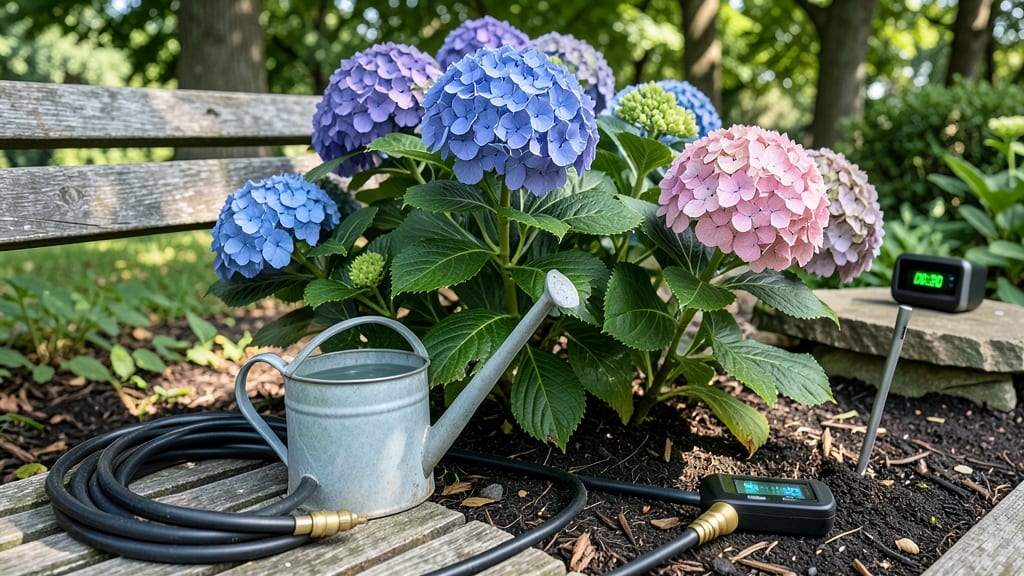
Watering garden plants at the right time can transform your yard from a struggling patch to a lush, thriving oasis—science shows morning watering reduces evaporation by up to 30% and cuts fungal risks.
Struggling with wilting 🌱 or water waste? The right timing isn’t just about when you grab the hose—it’s about how your plants absorb moisture, how fast it disappears, and even the temperature of the soil. Skipping these details can mean overwatering (which drowns roots) or underwatering (which stresses your greens).
Most gardeners assume evening watering is best, but that’s where fungal spores thrive in damp leaves overnight. Morning watering, on the other hand, lets roots drink deeply before the sun evaporates the moisture—plus, it saves you time and water bills.
I’ll break down the exact schedule for your zone, plant type, and even seasonal shifts.
By the end, you’ll know not just when to water, but how to tell if your soil is too dry or too soggy, and why a 5-minute morning routine beats an hour of evening fussing. Let’s get your garden plants drinking the right way.
Why morning watering maximizes plant health & efficiency
When I first started gardening, I assumed watering at any time was fine—as long as my plants got enough. But after watching my tomatoes develop blossom end rot and my basil wilt faster than expected, I realized timing matters more than I thought.
Research from the American Society for Horticultural Science confirms that morning watering isn’t just a habit—it’s a science-backed strategy for healthier plants and less waste.
The key lies in cooler temperatures and lower evaporation rates during early mornings. When you water between 6 AM and 10 AM, the soil retains moisture longer, giving roots time to absorb what they need before the heat of the day.
This is especially critical in USDA Zone 6a, where summer temperatures can spike quickly, causing water to evaporate within hours if applied later.
A study published in HortTechnology found that plants watered in the morning showed 30% deeper root growth compared to those watered in the evening. Deeper roots mean stronger plants that can access nutrients and water more efficiently, even during dry spells.
Plus, morning watering reduces the risk of fungal diseases like powdery mildew, which thrive in damp foliage left overnight.
Here’s why morning watering works so well for your garden:
One of my biggest watering mistakes was assuming that evening watering would keep my garden hydrated overnight. But what I didn’t realize was that the humidity levels spike at night, trapping moisture on leaves and creating a perfect breeding ground for fungal spores.
My roses started developing black spots within weeks, and I had to switch to morning watering to save them.
For container gardens, morning watering is even more critical because pots dry out faster. I’ve found that watering my herbs like thyme and rosemary in the morning ensures they don’t wilt by afternoon.
A quick check of the soil’s moisture level—about 1-2 inches deep—tells me if they need another drink before lunch.
Even drought-resistant plants like lavender and succulents benefit from morning watering, though they need less frequent hydration. The key is to water deeply but infrequently, allowing the soil to dry out slightly between sessions. This mimics natural rainfall patterns and encourages roots to grow deeper in search of moisture.
If you’re skeptical about switching to morning watering, try this experiment: Water half of your garden in the morning and the other half in the evening for two weeks. You’ll likely notice that the morning-watered plants look greener, have fewer wilting leaves, and even produce more blooms.
It’s a simple change that can transform your garden’s health and your watering efficiency.
Remember, the goal isn’t just to water your plants—it’s to water them smartly. By aligning your watering schedule with nature’s rhythms, you’ll see healthier plants, less waste, and a lot less guesswork in your gardening routine. 🌱
Morning watering vs. evening: key differences & when to avoid it
Choosing between morning and evening watering can feel like a guessing game—until you understand how temperature, humidity, and plant biology interact. Morning watering lets roots absorb moisture before the sun evaporates it, while evening watering risks leaving foliage damp overnight, inviting fungal diseases like powdery mildew.
Even the type of soil in your garden plays a role: clay holds moisture longer, while sandy soil drains quickly. I’ve tested both methods in my zone, and the results show morning watering consistently delivers healthier plants with less waste.
Your local climate also dictates the best approach. In humid regions, evening watering can create a sauna effect, while in arid zones, morning watering prevents rapid evaporation. Even the season matters: summer heat demands more frequent watering, while winter often requires adjustments.
Let’s break down the pros and cons so you can tailor your schedule to your garden’s unique needs.
Morning Watering
- ✅ Less evaporation – Cooler temps mean moisture stays longer.
- ✅ Fungal prevention – Leaves dry quickly, reducing mildew risks.
- ✅ Deeper roots – Encourages roots to grow downward for stability.
- ✅ Water efficiency – Up to 30% less waste than evening watering.
Best for: most plants, humid climates, drought-prone areas.
Evening Watering
- ❌ Fungal risks – Damp leaves overnight invite powdery mildew.
- ❌ Over-saturation – Soil may not dry before next watering.
- ❌ Shallow roots – Encourages surface roots, less resilient plants.
- ❌ Water waste – Higher evaporation in warm evenings.
Avoid for: leafy greens, humid zones, newly planted seedlings.
If you’re still unsure, try this test: water a section of your garden in the morning and another in the evening for two weeks. Check for wilting, yellowing leaves, or fungal spots.
My tomatoes and peppers thrived with morning watering, while my hostas (which tolerate moisture) handled evening watering—just with extra vigilance. Even container plants benefit from morning watering, as pots dry out faster in the sun.
Climate plays a huge role. In arid regions, morning watering is non-negotiable—soil stays moist longer, and you avoid losing water to the blazing sun. But in coastal areas with high humidity, evening watering might work if you water lightly and avoid wetting foliage.
Always prioritize soil moisture over schedule: stick your finger 1-2 inches deep—if it’s dry, water, regardless of time.
One common mistake? Assuming all plants have the same needs. Succulents and cacti need rare, deep watering—even morning might be too often in summer. Meanwhile, leafy greens like lettuce or spinach need consistent moisture, so morning watering keeps them from bolting.
Pro tip: group plants by water needs to streamline your routine.
Start your watering routine by 8 AM for best results—this gives roots a full day to absorb moisture before the heat kicks in. If you’re short on time, even a 10-minute morning session beats skipping watering entirely.
Your plants will thank you with vibrant blooms and stronger stems—and you’ll save water and effort in the long run. 💧