
Shrubs
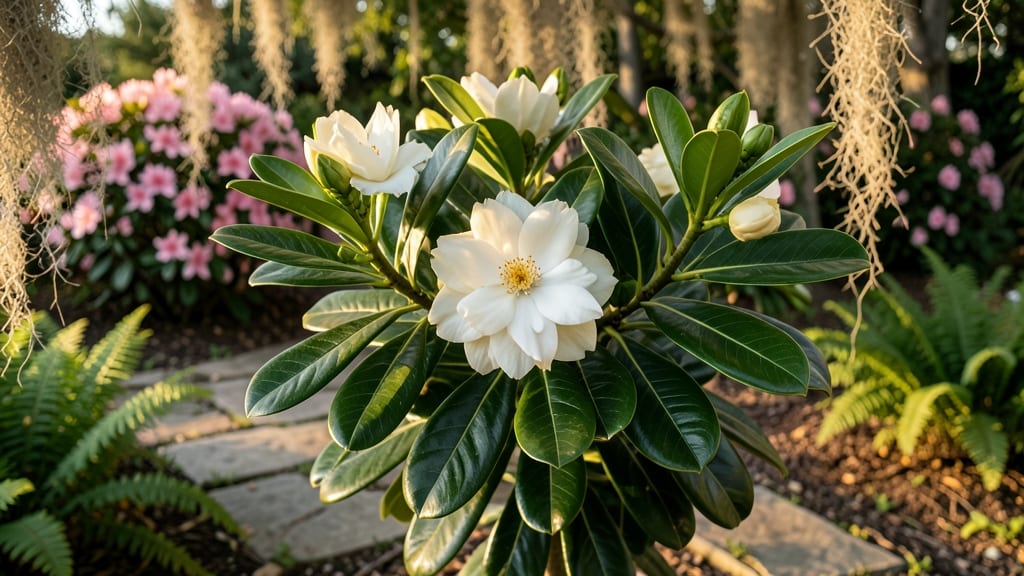
A full-grown gardenia bush 🌸 can transform your garden into a fragrant paradise—but only if you know how to nurture it to maturity.
If you’ve ever dreamed of filling your garden with intoxicatingly fragrant gardenias, understanding their growth timeline and mature size is key to planning your dream landscape—or avoiding costly mistakes.
Most gardenias take 3 to 5 years to reach their full height of 4 to 6 feet, but with the right care, you can speed up their growth and enjoy those signature white blooms sooner.
Here’s what you need to know about achieving a thriving, fragrant gardenia bush—from sunlight needs to pruning secrets and everything in between.
How long does it take for a gardenia bush to reach full growth & bloom?
If you're impatiently waiting for your gardenia bush to burst into fragrant bloom, timing is everything. From a tiny seedling to a full-sized shrub dripping with creamy white flowers, gardenias follow a predictable growth timeline—but variety, climate, and care can shift that schedule dramatically.
On average, expect 2-4 years for a gardenia to reach its mature size and first major blooms, though some varieties like 'Kleim’s Hardy' may surprise you with flowers in just 1-2 years under ideal conditions.
Your gardenia’s journey begins with a seedling or bare-root plant, where the first year is all about root and foliage establishment. During this phase, you’ll see slow but steady growth of glossy, dark green leaves, with minimal blooming.
The real magic happens in years 2-3, when your plant shifts into high gear, producing buds that eventually open into those iconic, intoxicatingly fragrant blooms. By year 4, a well-cared-for gardenia typically reaches its peak size and flowering potential, though some dwarf varieties may mature faster.
| Growth Stage | Timeframe | Key Characteristics | Care Focus |
|---|---|---|---|
| Seedling | 0-12 months | 1-2 ft tall, dark green leaves, minimal blooms | Root establishment, gentle watering, partial shade |
| Juvenile | 1-2 years | 2-3 ft tall, bushier foliage, first small buds | Increase sunlight, balanced fertilizer, prune leggy growth |
| Mature Growth | 2-4 years | 4-6 ft tall, dense foliage, abundant blooms | Regular pruning, acidic soil, consistent moisture |
| Peak Bloom | 3-5 years | Full size, 3-6 ft, fragrant flowers spring-fall | Winter protection, deadheading, soil aeration |
Your gardenia’s growth speed hinges on three critical factors: variety, climate, and care. For instance, 'Radicans' gardenias—climbing varieties—can grow 2-3 feet per year if given proper support, while 'Fortuniana' types may take longer to establish.
In USDA Zones 8-10, where winters are mild, gardenias thrive year-round and may bloom earlier and more prolifically than in colder regions like Zone 7, where they often need winter protection. Even a 1-2 degree difference in average temperature can delay or accelerate blooming by weeks.
Proper care accelerates the timeline significantly. I’ve seen gardenias in containers with optimal conditions (acidic soil, morning sun, regular feeding) produce first blooms in just 18 months, while neglected plants may take 5+ years to reach maturity.
The key is consistent moisture, high humidity, and acidic soil (pH 5.0-6.5). Without these, your gardenia will struggle to grow and may never reach its full potential.
Think of it like raising a picky eater—give it what it loves, and it’ll reward you with lush growth and heavenly fragrance.
One common misconception is that gardenias bloom only once per year. In reality, with proper care, they can produce multiple flushes of flowers from spring through fall.
The first major blooms typically appear in late spring to early summer, with smaller flowers following if you maintain regular pruning and fertilization. If your gardenia isn’t blooming by year 3, check for over-fertilizing with nitrogen (which promotes leaves over flowers) or insufficient sunlight.
Even a slight adjustment—like moving it to a sunnier spot or adding a layer of compost—can trigger a surge in blooms.
Patience is key, but you can nudge your gardenia along with strategic care. For example, a light pruning in early spring removes dead wood and encourages new growth, while feeding with an acid-loving plant fertilizer in early summer boosts bloom production.
I’ve also found that mulching with pine needles (to lower soil pH naturally) and grouping plants together (to increase humidity) can make a noticeable difference in growth speed and flower quantity.
These small tweaks often mean the difference between a 3-year wait and a 2-year wait for those first fragrant blooms.
Climate plays a surprisingly large role in timing. In humid, tropical climates like Florida or Hawaii, gardenias grow aggressively and bloom year-round, while in drier regions like Arizona, they may enter a semi-dormant state in summer and bloom only in spring.
If you live in a Zone 6 or colder, treat your gardenia as an annual or container plant and bring it indoors before frost. This protection can add 1-2 extra years to its lifespan but ensures it
What is the mature size of a gardenia bush? (Height, spread & variety differences)
When planning your garden layout, knowing the mature size of a gardenia bush is essential to avoid overcrowding or underutilizing space. Most gardenias reach their full height between 4 to 6 feet, but their spread can vary significantly depending on the variety.
Understanding these dimensions helps you choose the right spot and maintain your gardenia's health through proper pruning.
The spread of a gardenia bush typically ranges from 3 to 5 feet wide, though some varieties like 'Radicans' can spread wider if left unchecked. This means gardenias need ample space to thrive, especially in warmer climates where they grow more vigorously.
If you're working with limited space, dwarf varieties can be a great alternative.
Here’s a quick comparison of popular gardenia varieties and their mature sizes to help you make an informed choice for your garden:
If your gardenia starts to outgrow its space, pruning is your best tool for controlling its size. The ideal time to prune is right after the blooming season, typically in late spring or early summer.
Always use sterilized pruning shears and cut just above a leaf node to encourage bushier growth. Avoid heavy pruning in fall or winter, as this can stress the plant and reduce next year’s blooms.
For container-grown gardenias, regular pruning is even more critical since their root systems are confined. Trim back overgrown branches by one-third each year to maintain shape and encourage compact growth. This approach also helps prevent leggy stems and ensures your gardenia stays within its container’s boundaries.
Remember, the soil and sunlight conditions also influence how large your gardenia will grow. Planting in well-draining, acidic soil and providing morning sun with afternoon shade will help your gardenia reach its full potential without becoming overly leggy or sparse.
With the right care, you’ll enjoy a fragrant, well-proportioned gardenia bush that fits beautifully into your landscape.