
Planting
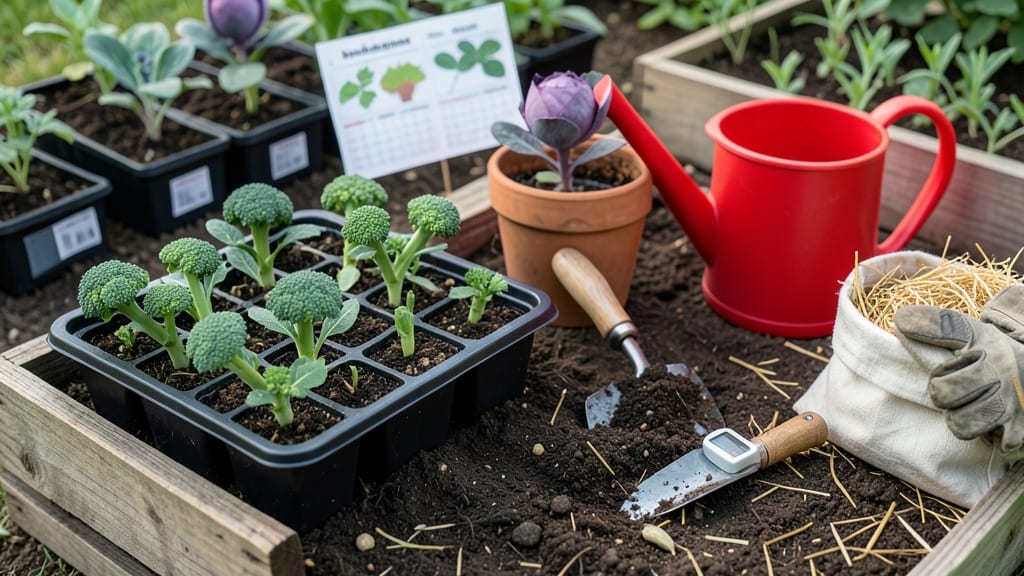
Planting a fall garden in Central Texas starts between mid-August and early October — the window where heat-tolerant crops like okra and sweet potatoes still thrive before October’s chill.
Central Texas gardeners know the summer heat can be brutal—but with the right timing, you can still grow a thriving 🥬 garden before October’s chill sets in. The key? Planting heat-tolerant crops at the perfect moment to beat the Texas heat while maximizing harvests.
This isn’t just about avoiding frost; it’s about working with Central Texas’ unique microclimates and heat zones. Whether you’re in Zone 8a or 9a, the right timing ensures your plants have enough time to mature before the first frost hits around mid-November.
Below, I’ll break down the exact planting schedule, the best crops for your region, and how to prep your soil for a successful fall harvest—without the guesswork.
Optimal planting timeline for Central Texas fall gardens
Central Texas gardeners face a unique challenge: the summer heat lingers well into September, but cooler fall temperatures arrive by October. To succeed, you must time your fall garden planting precisely—starting heat-tolerant crops in mid-August and transitioning to cool-season plants by early October.
The average first frost date in Central Texas (USDA Zones 8a-9a) is around November 15, leaving just 6-8 weeks for crops to mature before winter sets in.
Your planting strategy hinges on two critical factors: heat tolerance and days to maturity. Early August is ideal for okra, sweet potatoes, and black-eyed peas, which thrive in 90°F+ temperatures and can handle Central Texas’ late-summer heat.
By late August, shift focus to fast-maturing greens like malabar spinach and peppers that can transition smoothly into fall harvests. Avoid planting frost-sensitive crops like lettuce or broccoli until September 15 or later.
Central Texas’ microclimates add complexity. Urban areas like Austin often experience 5-10°F cooler nights than rural regions, while the Hill Country can see earlier frosts.
Adjust planting dates by 1-2 weeks if you’re in a cooler microclimate (e.g., Fredericksburg) or delay by 1 week in hotter areas (e.g., San Antonio). Always check the Texas A&M AgriLife Extension for localized frost alerts.
Soil preparation is non-negotiable. Central Texas soils are often clay-heavy and alkaline, which can stunt germination. Amend beds with 2-3 inches of compost and a balanced 10-10-10 fertilizer before planting.
For container gardens, use a lightweight potting mix with added perlite to improve drainage. Mulch with straw or shredded leaves to retain moisture and regulate soil temperature as fall approaches.
Watering demands shift dramatically. During August’s 100°F+ heat, water deeply every 2-3 days (1-2 inches per week), focusing on the root zone to encourage deep growth. As temperatures drop in September and October, reduce frequency to every 3-5 days, allowing the soil to dry slightly between waterings.
Always water in the early morning to minimize evaporation and fungal risks like powdery mildew.
Succession planting is your secret weapon. Instead of planting all your lettuce or radishes at once, stagger seeds every 2 weeks from September through October. This ensures a continuous harvest and reduces the risk of bolting (premature flowering) caused by temperature fluctuations.
For example, plant a small batch of radishes in early September, another in mid-September, and a final batch in early October—each batch will mature just before the next frost.
Monitor your garden closely for pests and diseases that thrive in Central Texas’ fall conditions. Aphids, cabbage worms, and whiteflies often surge as temperatures drop. Combat them with neem oil sprays or introduce beneficial insects like ladybugs.
For fungal issues (e.g., downy mildew on spinach), improve airflow by spacing plants 12-18 inches apart and avoid overhead watering. A reflective mulch (like silver plastic) can also deter pests.
Extend your harvest season with season extenders. Use low tunnels or cold frames to protect tender crops like kale or lettuce from light frosts (28-32°F). For hardier plants, a row cover can add 4-6°F of protection and delay
Top 5 heat-tolerant crops for Central Texas fall gardens
If you're planting a fall garden in Central Texas, you need crops that can handle the lingering summer heat while still producing bountiful harvests before the first frost.
These heat-tolerant varieties thrive in the 90°F+ temperatures we often see in late summer and early fall, making them perfect for extending your growing season.
The key to success is selecting crops that mature quickly and can transition smoothly into cooler weather. Below, I’ve curated the top 5 heat-tolerant crops that will give you a productive fall harvest, along with their ideal planting depths and spacing guidelines to maximize your garden’s potential.
1. Okra
🌱 Planting Depth: 1/2 inch deep
Spacing: 12-18 inches apart
Days to Harvest: 50-65 days
Why Plant? Thrives in heat, drought-tolerant, and produces pods even as temperatures drop.
2. Sweet Potatoes
🌱 Planting Depth: 4-6 inches deep (slips)
Spacing: 12-18 inches apart, rows 3 feet apart
Days to Harvest: 90-120 days
Why Plant? Loves the heat, improves soil health, and stores well for winter.
3. Black-Eyed Peas (Cowpeas)
🌱 Planting Depth: 1 inch deep
Spacing: 4-6 inches apart, rows 18-24 inches apart
Days to Harvest: 55-65 days
Why Plant? Fixes nitrogen in soil, heat-resistant, and great for succession planting.
4. Malabar Spinach
🌱 Planting Depth: 1/4 inch deep
Spacing: 12-18 inches apart
Days to Harvest: 45-60 days
Why Plant? Heat-loving, fast-growing, and produces tender leaves even in warm weather.
5. Jalapeño Peppers
🌱 Planting Depth: 1/2 inch deep
Spacing: 18-24 inches apart
Days to Harvest: 70-80 days
Why Plant? Tolerates heat better than most peppers, continues producing into fall.
For all these crops, start planting in late August to give them enough time to mature before the first frost hits around mid-November. Okra and black-eyed peas are especially fast growers, making them ideal for late-summer plantings.
Meanwhile, sweet potatoes and Malabar spinach can handle the heat and still produce well into October.
Pro tip: Use mulch to retain soil moisture and drip irrigation to keep roots cool during those scorching Central Texas afternoons. With the right crops and care, you’ll be harvesting fresh produce well into fall—no frost required!
Which of these heat-tolerant crops will you be trying in your fall garden this year? Let me know in the comments—I’d love to hear your success stories! 🌿