
Fertilization
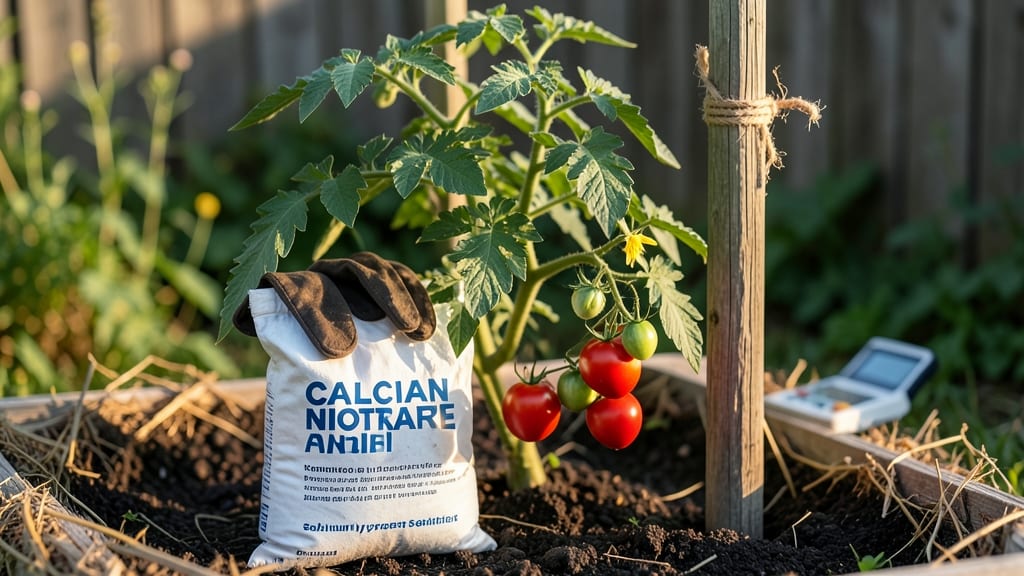
Garden tomatoes need calcium to grow strong and prevent blossom end rot, the black, leathery spots that ruin your harvest before it even ripens.
If your 🍅 plants are developing those telltale black spots at the blossom end, calcium deficiency could be silently sabotaging your harvest—and fixing it is easier than you think.
Calcium isn’t just about fixing problems; it’s the foundation for cell walls, keeping your tomatoes firm and healthy from seedling to ripe fruit. Without enough, even the hardiest plants struggle, leading to wasted effort and empty vines.
In this guide, you’ll learn how to diagnose calcium deficiency, the fastest ways to add it to your soil in 48 hours, and long-term strategies to keep your tomatoes thriving all season long.
Why calcium deficiency causes blossom end rot in tomatoes
When your tomato plants show those unsightly black, leathery spots at the blossom end, you're likely dealing with blossom end rot—a classic sign of calcium deficiency.
Unlike other nutrient deficiencies, this issue targets the youngest fruit cells first, creating a distinct pattern that starts at the blossom end and spreads inward. Understanding why this happens is key to preventing future problems.
Calcium acts as the "glue" that strengthens cell walls in your tomato fruit. It's not just about quantity—it's about availability. Even if your soil has enough calcium, your plants might not absorb it properly due to pH imbalances, inconsistent moisture, or root stress. The blossom end is particularly vulnerable because these cells are the last to receive calcium during fruit development.
Here’s why symptoms appear at the blossom end and not the stem end: The calyx (stem end) connects to the plant’s vascular system, receiving a steady calcium supply. However, the blossom end relies on diffusion from surrounding tissues, making it the weak link when calcium levels drop.
This explains why even healthy-looking plants can produce rotten fruit.
Soil pH levels play a critical role—calcium becomes less available when soil is too acidic (below 6.0) or too alkaline (above 7.5). Tomatoes thrive in slightly acidic to neutral soil (6.2–6.8), where calcium is most accessible.
Additionally, fluctuating moisture stresses roots, blocking calcium uptake. Drought followed by heavy watering is a common trigger for blossom end rot.
Another surprising factor is fruit growth rate. When tomatoes grow too quickly—often due to excess nitrogen or overwatering—the plant can’t supply enough calcium to keep up.
This creates a calcium deficiency in the fastest-growing areas, which are the youngest fruit cells at the blossom end. Even a 1% calcium deficiency can cause visible rot.
| Factor | Impact on Calcium Availability | Solution |
|---|---|---|
| Soil pH | Low pH (<6.0) locks out calcium; high pH (>7.5) reduces uptake | Test soil; amend with lime (pH <6.0) or sulfur (pH >7.5) |
| Moisture Fluctuations | Drought stress blocks root uptake; uneven watering causes stress | Water deeply 1–2x/week; use drip irrigation |
| Nitrogen Overload | Excess N speeds growth, outpacing calcium supply | Balance NPK (e.g., 10-10-10); avoid high-N fertilizers |
| Root Competition | Overcrowded roots compete for calcium | Space plants 18–24" apart; prune suckers |
| Temperature Stress | Extreme heat (>90°F) reduces calcium mobility | Use shade cloth; mulch to regulate soil temp |
Did you know that calcium moves passively through your tomato plant? Unlike mobile nutrients like nitrogen, calcium can’t be redistributed from older leaves to new fruit. This means once a fruit cell is deprived, it’s permanently damaged.
The blossom end rot you see is the result of cell wall collapse in those calcium-starved areas, turning them black and mushy within days.
One common misconception is that adding more calcium fertilizer will instantly fix the problem. However, if your soil is already calcium-rich but the plant can’t absorb it due to root damage or poor soil structure, the issue persists.
Focus first on improving root health and soil conditions—this ensures your plants can utilize whatever calcium is available.
To prevent blossom end rot, aim for consistent soil moisture and balanced fertility. A simple soil test can reveal if your garden lacks calcium or if the pH is throwing a wrench in nutrient uptake.
Even organic sources like crushed eggshells or gypsum can help, but they work best when combined with proper watering and pH management.
Remember, calcium deficiency isn’t just about the fruit—it weakens the entire plant. Stunted growth, yellowing leaves, and blossom drop can all signal deeper calcium issues.
By addressing the root cause (literally and figuratively), you’ll not only save your tomatoes but also boost overall plant vigor for a more productive harvest.
Next time you spot those telltale spots, don’t panic. With the right approach, you can turn things around—and prevent future outbreaks—before they ruin another season’s tomatoes. 🌱
4 Fastest ways to add calcium to tomato plants in 48 hours
When your tomato plants show signs of blossom end rot, you need fast, effective solutions to restore calcium levels. The good news? You can boost calcium in your soil or foliage within two days using simple, accessible methods.
Whether you prefer organic options like crushed eggshells or quick-acting fertilizers, these methods will help your plants recover and prevent future issues.
Calcium deficiency often stems from poor soil pH, inconsistent watering, or nutrient imbalances. The fastest fixes focus on delivering calcium directly to the roots or leaves, ensuring your tomatoes get what they need to develop strong cell walls and prevent those unsightly black spots.
Let’s dive into the top four methods that work in 48 hours or less.
- 1 Crushed Eggshells: Bake and grind eggshells into a fine powder, then mix into the soil around your tomato plants. This organic method releases calcium slowly but effectively over 48 hours. Sprinkle 1 tbsp per plant and water thoroughly.
- 2 Calcium Nitrate Fertilizer: Use a 1-2% solution (1 tbsp per gallon of water) for a quick foliar spray or soil drench. This synthetic option delivers fast results, ideal for emergency fixes. Apply in the early morning to avoid leaf burn.
- 3 Gypsum Soil Amendment: Sprinkle 1 cup of gypsum around each plant and water deeply. Gypsum dissolves quickly, releasing calcium and sulfur into the soil within 24-48 hours. It’s especially effective in sandy or alkaline soils.
- 4 Lime (Quick-Release): Use pelletized lime for faster results than garden lime. Apply ½ cup per plant and water well. Lime raises soil pH slightly, making calcium more available to roots. Best used in acidic soils (pH below 6.0).
For foliar sprays, mix 1 tsp of calcium nitrate in 1 gallon of water and spray directly on leaves in the early morning. This method bypasses the roots, delivering calcium straight to where it’s needed most—your developing fruit. Always test a small leaf first to check for sensitivity.
If you’re using crushed eggshells, bake them at 200°F for 10 minutes to sterilize, then grind into a fine powder using a blender or mortar and pestle. Work the powder into the top 2 inches of soil around your tomato plants.
This method is gentle and won’t alter your soil’s pH, making it perfect for sensitive plants.
Remember, consistency is key. After applying any of these methods, water deeply to help the calcium penetrate the soil and reach your plant’s roots. Monitor your tomatoes over the next few days for signs of improvement—fewer black spots and firmer fruit are good indicators you’re on the right track!