
Planting
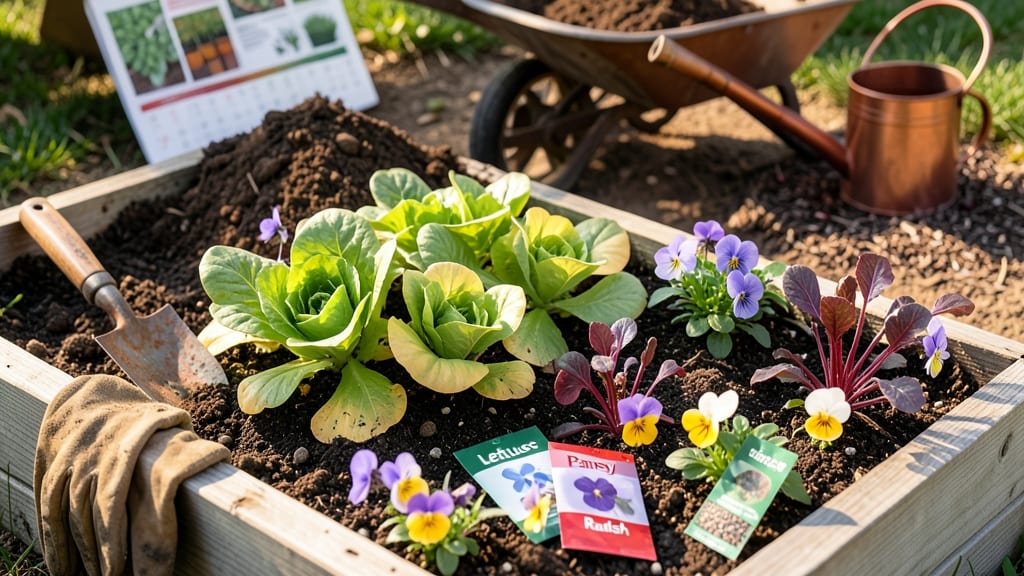
Planting a garden in Connecticut requires knowing the exact timing to beat frost and maximize your harvest—miss the window, and you risk losing your entire crop before it even grows.
Connecticut’s unpredictable spring weather can make timing your garden planting a high-stakes guessing game—but getting it right means the difference between a thriving harvest and wasted seeds. As a USDA Zone 6b gardener, you need precise deadlines tailored to your state’s frost dates and microclimates.
Cool-season crops like lettuce and peas can go in as early as late March, while warm-season favorites like tomatoes and peppers need to wait until after the last frost, typically around mid-May. Perennials and herbs have their own ideal windows, too.
This guide breaks down the best planting times for Connecticut’s most popular crops, plus tips for adjusting to your local microclimate—so you can start strong and avoid common mistakes that ruin timing.
CT planting deadlines by crop type: USDA Zone 6b frost date guide
Connecticut’s last frost dates typically range from April 15–May 1, while the first frost arrives between October 15–November 1. These windows determine whether you’re planting cool-season crops (like lettuce and peas) or warm-season crops (like tomatoes and peppers).
Zone 6b gardeners must also account for microclimates, where coastal areas may warm earlier than inland valleys.
To simplify planning, I’ve organized planting deadlines by crop type—spring, summer, and fall—with adjustments for Zone 6a/6b variations. For example, spinach and kale thrive when sown 4–6 weeks before last frost, while basil and cucumbers need to wait until after May 1 to avoid frost damage.
Pro Tip: Use row covers to extend your spring planting window by 2–3 weeks, especially for delicate seedlings like broccoli or cabbage. For perennial herbs (e.g., thyme or rosemary), plant in early spring or late summer to avoid winter stress.
For Zone 6a gardeners (e.g., northern CT), push planting dates 1–2 weeks later to account for colder microclimates. For example, tomato transplants should wait until May 15 in Zone 6a, while Zone 6b can start May 1.
Coastal areas like New London may see earlier last frosts, allowing spinach to be sown as early as March 1.
If you’re growing heirloom varieties with longer maturity dates (e.g., Brandywine tomatoes at 85 days), start seeds indoors in early March and transplant after May 1.
For fast-maturing crops like radishes (30 days), you can squeeze in two harvests: one in spring and another in fall.
Always check the UConn Plant Database for localized frost charts and adjust based on your yard’s exposure. South-facing beds warm faster, while north-facing areas may need protective covers until mid-May.
For container gardening, move pots to warmer microclimates (e.g., near a south-facing wall) to extend the season.
Remember: Soil temperature matters just as much as air temperature. Use a soil thermometer to confirm warm-season crops are planted when soil reaches 60°F. For cool-season crops, aim for 40–50°F soil temps to prevent bolting or poor germination.
For fall planting, prioritize hardy greens (kale, Swiss chard) and root vegetables (carrots, beets) that tolerate light frosts. Stop planting warm-season crops by July 15 to ensure harvest before first frost. Perennials like asparagus should be planted in early spring to establish roots before summer heat.
✅ Key Takeaway: Connecticut
How to adjust planting times for Connecticut’s microclimates and soil conditions
Connecticut’s diverse geography means your planting schedule should vary based on where you live. Coastal areas like Groton or New London often experience warmer springs 1–2 weeks earlier than inland valleys like Hartford or Waterbury, where late frosts can linger until mid-May.
Even urban gardens in Bridgeton or New Haven face heat island effects, which can shift planting windows by 10–14 days.
Soil conditions also play a critical role. Sandy soils in Litchfield County warm up faster, allowing earlier planting, while clay-heavy soils in Fairfield County stay cold longer. Adjusting your timing based on these factors ensures your plants thrive from day one.
Here’s a quick guide to help you decide when to plant based on your local conditions:
Adjusting Planting Times by Microclimate
Coastal Areas (Warmer Springs)
- Pros: Plant 2–3 weeks earlier than inland zones.
- Cons: Higher humidity may increase fungal diseases.
Example: Start spinach in late March instead of April.
Inland Valleys (Later Frosts)
- Pros: Longer growing season for cool-season crops.
- Cons: Risk of late frost damage in May.
Example: Wait until May 10 to plant tomatoes.
Urban Gardens (Heat Islands)
- Pros: Earlier soil warming for warm-season crops.
- Cons: Higher soil temperatures may stress seedlings.
Example: Use row covers to protect peppers in June.
Soil Prep Adjustments
- Pros: Amend soil 4–6 weeks before planting.
- Cons: Overworking clay soil can compact it.
Example: Add compost in March for spring planting.
For coastal gardeners, start seedlings indoors in early March and transplant outdoors by late March for hardy greens like kale or broccoli. Inland gardeners should wait until mid-April to avoid frost damage.
Urban gardeners can leverage heat islands by planting warm-season crops like cucumbers 1–2 weeks earlier than rural areas.
Use row covers to extend your growing season by 2–4 weeks in both spring and fall. These lightweight fabrics protect seedlings from late frosts and early chills, allowing you to plant cool-season crops like carrots or radishes as early as February in coastal areas.
In inland zones, they can push your fall harvest into late October.
Always check your local USDA frost dates and adjust based on your 3-year average. For example, if your area has seen late frosts in May recently, delay planting tomatoes until May 15 instead of the usual May 1.
Soil thermometers are your best friend—aim for 50°F for cool-season crops and 60°F for warm-season varieties.
Finally, choose the right planting method. Direct-sow seeds for carrots or beans 1–2 weeks earlier than transplanting seedlings, as they germinate faster in warm soil. For tomatoes or peppers, buy transplants and harden them off for 7–10 days before setting them out after the last frost.