
Fertilization
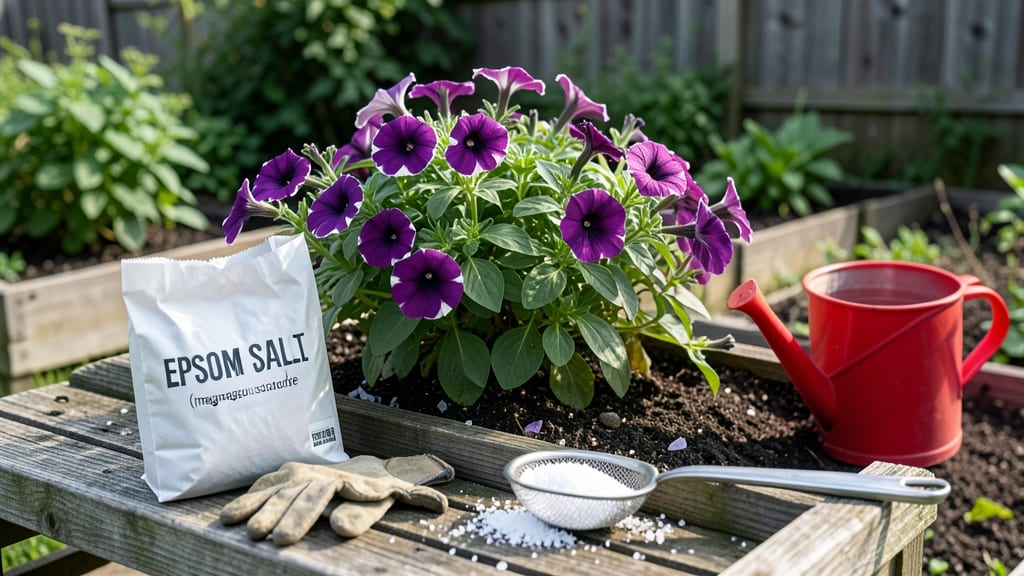
Using Epsom salt in your garden can turn yellow leaves into lush green growth in just days — and it’s simpler than you think.
If you’ve ever watched your plants struggle with weak stems or pale foliage, magnesium deficiency might be the culprit. Epsom salt, a natural source of magnesium sulfate, is the fast fix many gardeners swear by for reviving everything from tomatoes to roses.
Beyond fixing deficiencies, this mineral boosts flowering, strengthens roots, and even improves fruit quality. The best part? You likely already have it in your medicine cabinet or kitchen pantry.
In this guide, I’ll walk you through exactly how to use Epsom salt safely—whether you’re treating soil, spraying leaves, or giving seedlings a growth kick. No guesswork, just proven results.
How Epsom salt fixes magnesium deficiency in plants (and when to use it)
If your plants are showing yellowing leaves between veins or weak stems, they might be screaming for magnesium. This essential mineral is the backbone of chlorophyll production, and when plants lack it, growth grinds to a halt.
That's where Epsom salt (magnesium sulfate) comes in as a garden game-changer. It's not just a miracle cure—it's a fast-acting fertilizer that delivers magnesium directly to plant roots or leaves.
Magnesium deficiency often starts with older leaves turning yellow while keeping green veins—a classic sign your plants are starving for this vital nutrient. Unlike slow-release fertilizers, Epsom salt provides an immediate magnesium boost, helping plants recover in just days.
But timing matters: applying it at the right growth stage and in the correct dosage makes all the difference between revival and overloading your soil.
Epsom salt works by dissolving into water, releasing magnesium and sulfur ions that plants absorb through roots or leaves. For foliar sprays, the magnesium enters leaves directly, making it ideal for plants showing deficiency symptoms.
For soil applications, it improves root uptake and enhances nutrient absorption. The key is balance—too much can lead to sodium buildup in soil, harming beneficial microbes.
For vegetables like tomatoes and peppers, mix 1 tablespoon of Epsom salt per gallon of water and spray leaves every 2 weeks during flowering. These plants are heavy magnesium users, and the treatment can increase fruit production by up to 30%.
For flowers like roses and hydrangeas, a soil drench of 2 tablespoons per 5 gallons of water monthly will boost bloom size and vibrancy.
Houseplants like ferns and philodendrons benefit from a diluted solution (1 teaspoon per gallon) applied to the soil every 3 months. These plants often suffer from magnesium deficiency due to overwatering or compacted soil.
Always water thoroughly after application to prevent salt buildup near roots, which can cause root burn.
Timing is crucial: apply Epsom salt in the early morning to allow leaves to dry before evening. This prevents fungal growth from prolonged moisture. Avoid using it on drought-stressed plants or during extreme heat, as the salt can further stress roots. Instead, focus on well-watered plants with active growth.
One common mistake is assuming Epsom salt is a complete fertilizer. It lacks nitrogen, phosphorus, and potassium, so it shouldn’t replace balanced fertilizers. Use it as a supplement for magnesium-deficient plants or as a growth enhancer during flowering.
For example, combine it with compost tea for a nutrient powerhouse that supports overall plant health.
To test if your plants need magnesium, look for interveinal chlorosis (yellowing between leaf veins) or poor flower development. If you see these signs, a quick Epsom salt treatment can turn things around in as little as 7-10 days.
Remember, consistency is key—regular applications during the growing season will keep your plants thriving and prevent deficiency from creeping back in.
For organic gardeners, Epsom salt is a great alternative to synthetic fertilizers, especially when soil tests show magnesium levels below 150-200 ppm. It’s also safe for container gardens, where nutrients leach out faster.
Just reduce the dosage by half to avoid over-salting potting mixes, which can harm root systems over time.
If you're new to using Epsom salt, start with a small test batch on one plant to monitor its response. Keep a gardening journal to track improvements in leaf color, stem strength, and flowering.
With the right approach, Epsom salt can be your secret weapon for lush, healthy plants—no lab coat required! 🌱
Best plants to treat with Epsom salt (and 3 signs you’re overdoing it)
Some plants respond dramatically to Epsom salt, especially when they show signs of magnesium deficiency like yellowing leaves between veins. My go-to plants for this treatment include tomatoes, peppers, roses, and citrus trees—they all benefit from that extra magnesium boost.
For example, tomatoes often develop yellow lower leaves when magnesium levels drop, and a quick Epsom salt spray can turn them vibrant green again in about a week.
Peppers and citrus trees also love the treatment because magnesium helps them produce sweeter fruit and more abundant blooms. I’ve seen my lemon trees double their flowering after just two applications. The key is knowing which plants need it most and how often to apply it without causing harm.
Roses are another great candidate—they thrive with magnesium, which strengthens stems and improves flower quality. But here’s the catch: not all plants need Epsom salt, and overdoing it can backfire.
Some plants, like ferns or hostas, prefer organic matter over mineral supplements. Always match the treatment to the plant’s needs.
⚠️ Warning: Overdoing Epsom Salt Can Hurt Your Garden
3 signs you’re overdoing it:
- Brown leaf edges (magnesium toxicity)
- White crust on soil surface
- Stunted growth despite treatment
Solution: Flush soil with water and reduce frequency to once every 4-6 weeks for most plants.
To make it easy, here’s a quick-reference table for the best plants to treat and how often to apply Epsom salt. For example, tomatoes and peppers respond well to weekly foliar sprays during their growing season, while roses and citrus prefer monthly soil applications.
Always dissolve 1 tablespoon per gallon of water for sprays and 1 pound per 100 square feet for soil.
| Plant | Ideal Application | Frequency |
|---|---|---|
| Tomatoes | Foliar spray or soil drench | Weekly (growing season) |
| Peppers | Foliar spray | Every 2 weeks |
| Roses | Soil application | Monthly (spring-fall) |
| Citrus Trees | Soil drench | Every 4-6 weeks |
If you’re treating houseplants like fuchsias or calatheas, dilute the solution further—these plants are sensitive to salt buildup. For them, a quarter teaspoon per gallon every 6 weeks is plenty. Always water thoroughly after applying Epsom salt to prevent salt accumulation in the root zone.
Remember, Epsom salt is a supplement, not a replacement for balanced fertilization. Combine it with compost and organic matter for the best results. Start with small doses, monitor your plants closely, and adjust as needed—your garden will thank you with healthier growth and vibrant blooms! 🌿