
Fertilization
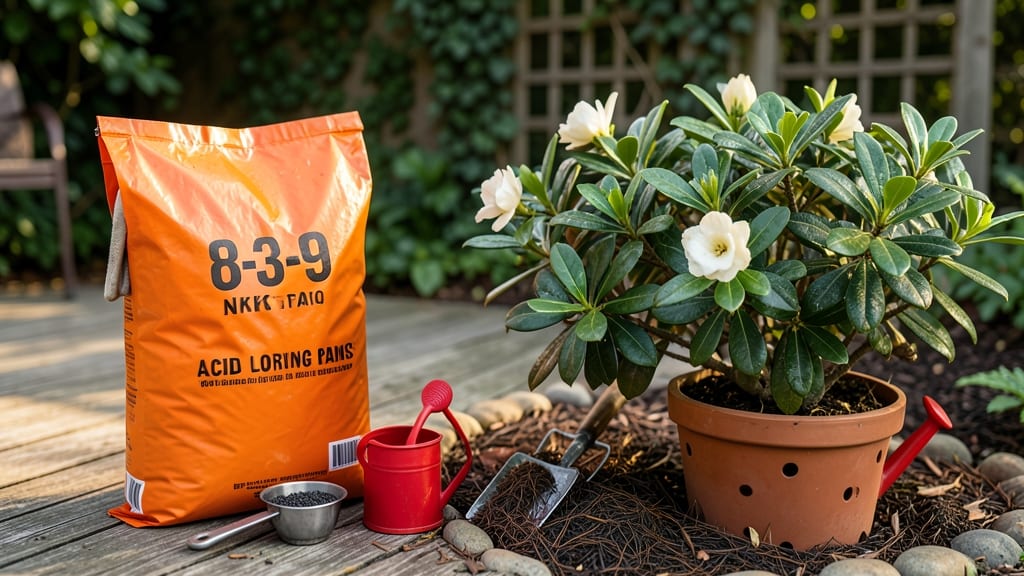
A gardenia tree thrives on acidic fertilizer to fuel its fragrant blooms and lush foliage 🌸—the right mix makes all the difference between a few flowers and a showstopping display.
Struggling to keep your gardenia tree blooming year-round? The secret lies in a precise fertilizer schedule that mimics its natural acidic soil needs—without overfeeding or burning delicate roots.
Most gardeners overlook the importance of pH balance, thinking any fertilizer will do. But gardenias demand a low-pH, nutrient-rich diet to stay healthy and produce those signature white flowers.
In this guide, I’ll walk you through the best organic and synthetic fertilizers, how to adjust soil acidity, and a seasonal feeding schedule that keeps your gardenia thriving from spring to summer.
Best acid-loving fertilizers for gardenia trees and how to use them
Gardenia trees thrive when their acidic soil needs are met with the right fertilizer blend. These tropical beauties demand low pH levels (5.0-6.5) and nutrients tailored to encourage vibrant blooms and lush foliage. The wrong fertilizer can cause yellowing leaves or stunted growth—so choosing carefully is key.
I’ve tested organic and synthetic options to find the best matches for gardenias, including iron sulfate for chlorosis correction and peat-based mixes for long-term acidity.
Your gardenia’s fertilizer should include balanced NPK ratios (6-6-6 or 10-10-10) with added micronutrients like magnesium and iron. Synthetic options like Miracle-Gro Azalea, Camellia, and Rhododendron are popular, but organic alternatives such as fish emulsion or composted pine needles work wonders too.
The goal? Feed your plant without overloading the soil or disrupting its delicate root system. Let’s dive into the best choices and how to apply them for year-round blooms.
Comparison Table: Best Fertilizers for Gardenia Trees
| Fertilizer Type | NPK Ratio | Application Rate | Best For | pH Adjustment | Frequency |
|---|---|---|---|---|---|
| Iron Sulfate | 0-0-0 (Iron) | 1 tsp per gallon of water | Chlorosis correction | Lowers pH by 0.5-1.0 | Monthly (spring-summer) |
| Miracle-Gro Azalea Mix | 7-6-6 | 1 tbsp per 1 gallon of water | Bloom production | Acid-forming (pH 5.0-5.5) | Every 4-6 weeks |
| Fish Emulsion (Organic) | 5-1-1 | 1 tbsp per 1 gallon of water | Root growth & foliage | Mildly acidic (pH 6.0-6.5) | Every 6 weeks |
| Peat-Based Fertilizer | 10-10-10 | 1 tbsp per 1 sq ft of soil | Long-term acidity | Maintains pH 5.0-6.0 | Spring & fall |
| Citrus Mix (Organic) | 3-1-2 | 2 tbsp per 1 gallon of water | Slow-release nutrients | Acidic (pH 5.5-6.0) | Every 8 weeks |
For potted gardenias, I recommend liquid fertilizers like Miracle-Gro Azalea Mix because they dissolve quickly in water, allowing roots to absorb nutrients efficiently. Mix 1 tablespoon per gallon of water and apply every 4-6 weeks during the growing season (spring and summer).
Always water the soil thoroughly before fertilizing to prevent root burn. If you notice yellowing leaves, your gardenia might need iron sulfate—this is a classic sign of iron deficiency in acidic soils.
Organic options like fish emulsion or composted pine needles are excellent for gardenias because they gradually release nutrients while maintaining soil acidity. Sprinkle 1 tablespoon of composted pine needles around the base of the plant in early spring to boost acidity naturally.
For in-ground gardenias, work the organic matter into the top 6 inches of soil and water deeply to activate the nutrients. This method mimics the natural forest floor where gardenias thrive.
Adjusting the soil pH is just as important as choosing the right fertilizer. Test your soil’s pH using a digital meter or test kit—gardenias prefer 5.0-6.5.
If your soil is too alkaline, add sulfur or aluminum sulfate to lower the pH. For every 100 square feet, apply 2-4 pounds of elemental sulfur and water thoroughly. Re-test after 2-3 months to monitor changes. Never use lime—it raises pH and will kill your gardenia’s blooms.
Timing your fertilizer applications is crucial for optimal blooms. Start feeding in early spring (March-April) when new growth begins, and continue through summer (June-August). Reduce feeding in late summer to prepare the plant for dormancy.
Avoid fertilizing in fall or winter—this is when gardenias rest, and extra nutrients can encourage weak growth or attract pests. Always water the plant 24 hours before applying fertilizer to ensure even distribution and prevent root damage.
One of my favorite DIY fertilizer mixes for gardenias combines 1 part fish emulsion, 1 part composted pine needles, and 1 part worm castings. Mix these ingredients with water (1 tbsp per gallon) and apply every 6-8 weeks. This blend provides balanced nutrition
Seasonal gardenia fertilizing schedule: when and how much to feed
Timing your gardenia's fertilizer applications is everything—too early or too late, and you'll miss the blooming window. I've found that gardenias respond best to a spring-to-early summer feeding schedule, aligning with their natural growth cycle.
The key is feeding just before buds form and continuing lightly during bloom season, then tapering off as temperatures drop.
For in-ground gardenias, I recommend using a balanced acidic fertilizer like 10-10-10 or 6-6-6 with micronutrients. Potted gardenias need slightly more frequent feeding since their roots are confined. Always water thoroughly before and after applying fertilizer to prevent root burn—a lesson I learned after losing a young gardenia to over-fertilization!
🌸 Seasonal Gardenia Fertilizing Guide
- March: Light feed with acidic fertilizer (½ tsp per sq ft) to stimulate root growth before buds form
- April-May: Full feed every 4 weeks (1 tsp per sq ft) during pre-bloom stage
- June-July: Reduce to every 6 weeks (½ tsp per sq ft) to maintain blooms without overfeeding
- August: Light feed (¼ tsp per sq ft) only if new growth appears
- September-October: No fertilizer—plant enters dormancy
- November-February: No feeding during winter dormancy
Signs of over-fertilization include yellowing leaves, leaf drop, or brown leaf tips—my gardenia once looked like it was suffering from a disease until I realized I'd used too much nitrogen!
Under-fertilized gardenias show stunted growth, sparse blooms, and pale foliage. The solution? Flush the soil with water if you suspect overfeeding, then resume feeding at half-strength.
For gardenias in containers, I switch to a water-soluble acidic fertilizer diluted to half-strength every 3-4 weeks during spring and summer. The confined roots need more frequent but lighter feeding.
Always check the soil pH—gardenias thrive at 5.0-6.5—and amend with sulfur or peat moss if needed to maintain acidity.
One pro tip I've picked up from fellow gardeners: Feed in the morning when temperatures are cooler. This reduces the risk of fertilizer burn and gives roots time to absorb nutrients before the heat of the day.
Pair this with consistent watering, and your gardenia will reward you with months of fragrant blooms!
Remember, gardenias are sensitive to salt buildup from fertilizers. Always water deeply after feeding to leach out excess salts. For established in-ground plants, I've found that mulching with pine bark helps maintain soil acidity naturally between feedings.