
Tools
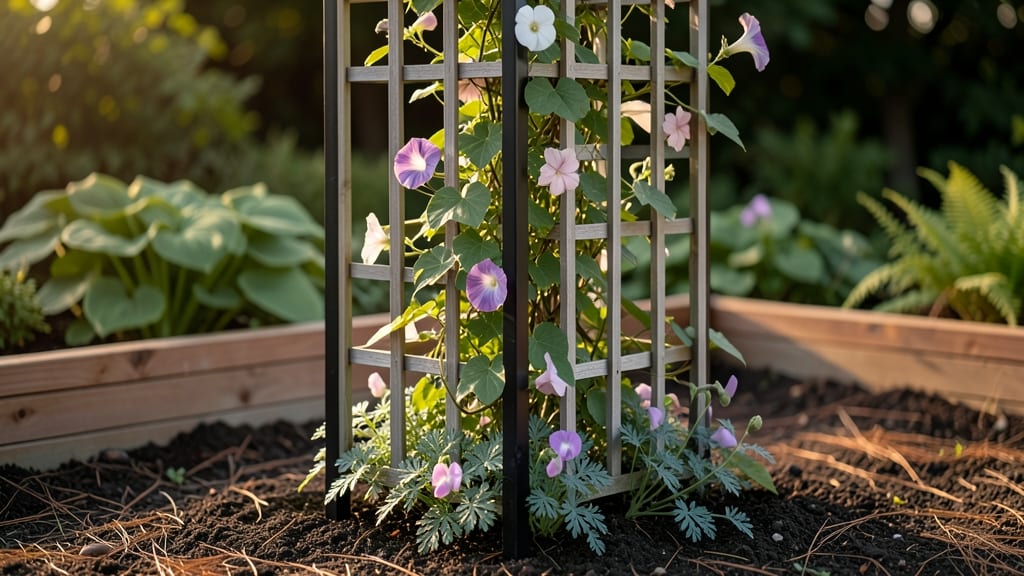
Garden bed trellis ideas can turn a flat, underutilized space into a thriving vertical garden 🌿—especially when you pair them with the right climbing plants.
Picture this: your cucumbers and beans sprawling upward instead of sprawling across your garden, leaving room for more veggies below. A well-placed trellis isn’t just functional—it’s a game-changer for small gardens, urban containers, and even cottage-style plots.
From rustic wooden arches to sleek metal grids, the options are endless. Whether you’re growing heavy climbers like clematis or lightweight nasturtiums, the right trellis keeps everything neat, maximizes yield, and adds a touch of elegance to your outdoor space.
Below, I’ll walk you through 10 creative designs, the best materials for durability, and even a few budget-friendly DIY projects to get you started—no green thumb required.
10 Creative trellis designs for small garden beds
Small garden beds don’t have to mean small harvests. With the right trellis designs, you can transform limited space into a vertical garden oasis.
Whether you're growing pole beans, cucumbers, or climbing roses, a well-chosen trellis maximizes sunlight exposure, improves airflow, and keeps your plants off the ground. The key is selecting a design that matches your garden layout and the specific needs of your climbing plants.
I’ve tested these designs in my own compact garden beds, and they’ve made a world of difference. From space-saving obelisks to DIY lattice panels, each option offers unique benefits.
Some trellises are perfect for heavy vines like pumpkins, while others work beautifully with delicate annual flowers like nasturtiums. Let’s explore the best options to elevate your small garden.
Here’s a quick comparison of the top trellis designs based on plant type, space efficiency, and ease of installation:
| Trellis Type | Best For | Space Efficiency | Installation Difficulty | Material Options |
|---|---|---|---|---|
| Obelisk Trellis | Cucumbers, Beans, Peas | High (4' x 4' footprint) | Easy (pre-made or DIY) | Metal, Wood, Plastic |
| Teepee Trellis | Pole Beans, Sweet Peas | Very High (3' diameter) | Moderate (requires stakes) | Bamboo, Wood, Twine |
| A-Frame Arch | Roses, Clematis, Morning Glories | Moderate (6' wide, 4' tall) | Moderate (structural assembly) | Wood, Metal, PVC |
| Wall-Mounted Grid | Nasturtiums, Peppers, Herbs | Very High (vertical only) | Easy (mounts to fence) | Metal Mesh, Plastic |
| DIY Lattice Panel | Tomatoes, Pole Beans, Ivy | High (customizable) | Easy (repurposed wood) | Wood, Chicken Wire |
| Spiral Trellis | Cucumbers, Melons, Grapes | Moderate (3' x 3' base) | Moderate (twine wrapping) | Wood, Twine, PVC |
| H-Trellis | Pumpkins, Squash, Heavy Vines | High (compact footprint) | Easy (pre-assembled) | Metal, Wood |
| Vertical Tower | Carrots, Radishes, Greens | Very High (tight space) | Moderate (stacked layers) | Plastic, Wood |
| Arbor Archway | Roses, Jasmine, Wisteria | Low (wide base) | Hard (structural) | Wood, Metal |
| Freestanding Cage | Tomatoes, Eggplants, Peppers | High (3' diameter) | Easy (wire frame) | Metal, Plastic |
My favorite space-saving design is the obelisk trellis—it fits perfectly in a 4’ x 4’ bed and supports cucumbers or beans beautifully. The vertical growth means I can plant more in the same footprint.
For heavy vines like pumpkins, I opt for an H-trellis because it distributes weight evenly and prevents toppling. If you’re working with a fence or wall, a wall-mounted grid is a game-changer for herbs
How to choose the best trellis material for your climbing plants
Selecting the right trellis material isn’t just about looks—it’s about matching your climbing plants’ needs with a structure that lasts. Heavy vines like pumpkins or clematis need sturdy support, while lightweight nasturtiums or beans can thrive on simpler frames.
The material you choose affects durability, cost, and even how your garden looks.
Wood, metal, plastic, and natural materials each bring unique benefits. For example, cedar wood resists rot and blends beautifully with cottage gardens, while powder-coated metal offers long-term strength and modern aesthetics.
Plastic trellises are lightweight and budget-friendly, but they may not handle heavy climbers well. Let’s break down the pros and cons so you can make the best choice for your garden.
Trellis Material Comparison
Wood
- ✅ Durable for heavy climbers
- ✅ Natural look fits cottage gardens
- ✅ Customizable shapes and sizes
- ❌ Requires sealing/painting
- ❌ Can rot if not treated
- ❌ Higher cost than plastic
Metal
- ✅ Extremely strong for heavy vines
- ✅ Long-lasting with powder coating
- ✅ Modern aesthetic for contemporary gardens
- ❌ Can rust if not coated
- ❌ Heavier to install
- ❌ More expensive than wood/plastic
Plastic
- ✅ Lightweight and easy to move
- ✅ Budget-friendly option
- ✅ Low maintenance
- ❌ Not strong for heavy climbers
- ❌ Less durable over time
- ❌ Limited designs available
Natural (Bamboo)
- ✅ Eco-friendly and biodegradable
- ✅ Lightweight yet sturdy
- ✅ Affordable and easy to find
- ❌ Limited height options
- ❌ Can degrade in wet conditions
- ❌ Not ideal for heavy vines
If you’re growing heavy climbers like pumpkins or wisteria, metal or treated wood trellises are your best bet. These materials handle the weight without bending or breaking. For lighter plants like nasturtiums or morning glories, plastic or bamboo trellises work perfectly and won’t break the bank.
Consider your garden’s aesthetic theme too. A rustic wooden teepee trellis adds charm to a cottage garden, while sleek metal arches elevate a modern space. Don’t forget to think about maintenance: metal trellises need occasional rust checks, while plastic ones require zero upkeep beyond setup.
For a budget-friendly option, repurposed materials like pallets or chicken wire can work wonders. Just ensure they’re sturdy enough for your plants. My personal favorite? A cedar wood trellis for its balance of durability and natural beauty—it’s lasted me years with minimal care.
No matter what you choose, the key is to match the trellis to your plant’s growth habit. A sprawling cucumber vine needs a wide, sturdy frame, while a delicate clematis can climb a simple lattice. Plan ahead, and your vertical garden will thrive! 🌱