
Tools
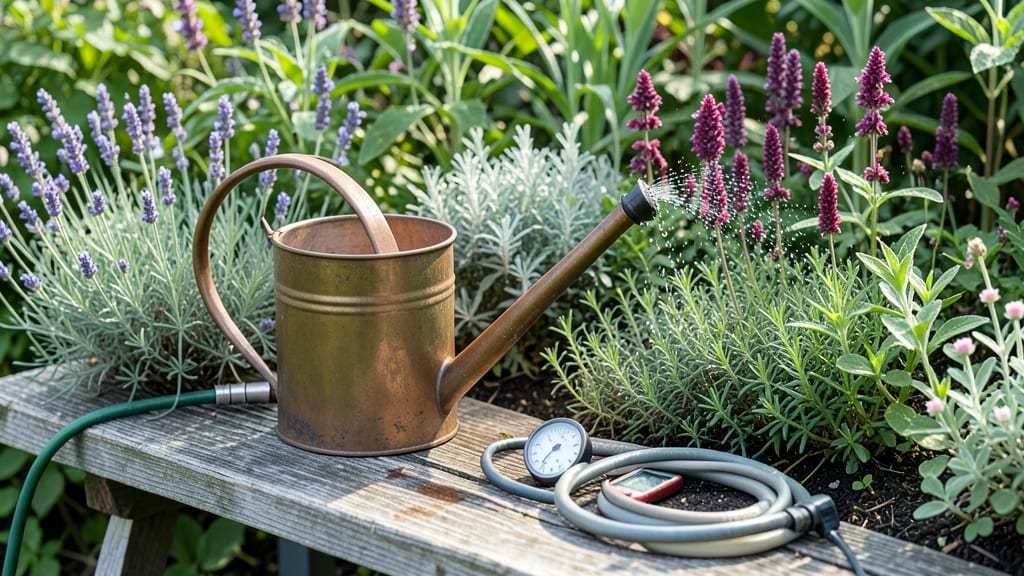
Watering your garden bed correctly is the difference between lush, drought-resistant plants and wilting struggles that waste both water and effort.
Struggling with uneven plant growth or wilting despite regular watering? The secret to thriving garden beds lies in precision watering—not just how much you water, but when and how you do it to build deep root systems and drought resistance.
Most gardeners overwater in the heat of the day or underwater because they’re guessing. But the right timing—like watering in the early morning—cuts evaporation by 50% and keeps roots healthy. Plus, it’s not just about the clock; soil type and plant needs play a huge role too.
In this guide, I’ll break down the science behind watering schedules, compare drip irrigation vs. hand watering, and show you how to spot watering mistakes before they kill your plants. Your garden bed will thank you.
Optimal watering times for garden beds: morning vs evening science
Watering your garden bed at the wrong time can waste 40% of your water due to evaporation or even harm your plants by promoting fungal diseases. The best time to water depends on climate, plant type, and even your local weather patterns.
Most gardeners swear by morning watering, but evening watering has its place too—if done correctly.
Morning watering between 6 AM and 10 AM gives plants a full day to absorb moisture before the heat of the afternoon. This reduces water loss from evaporation and prevents fungal spores from thriving in damp foliage overnight. For arid climates, morning watering is non-negotiable to conserve precious resources.
Evening watering, on the other hand, can be beneficial in humid climates where nights are cooler and evaporation is minimal. However, it increases the risk of foliar diseases like powdery mildew if leaves stay wet overnight.
The key is timing—water by 6 PM at the latest to allow foliage to dry before darkness falls.
Here’s how climate zones influence your watering schedule:
To test your soil’s moisture level, use the finger test: Insert your index finger 1-2 inches deep into the soil. If it feels dry, it’s time to water.
For sandy soil, which drains quickly, you may need to water more frequently, while clay soil holds moisture longer and requires less frequent watering.
For container gardens, morning watering is ideal because pots dry out faster. Water until you see water draining from the bottom, ensuring roots get a deep soak. In contrast, in-ground beds benefit from slower, deeper watering to encourage roots to grow downward in search of moisture.
If you’re in a transition zone with unpredictable weather, split your watering into two sessions: half in the morning and half in the evening. This balances evaporation risks with plant hydration needs. Always adjust based on weather forecasts—afternoon thunderstorms can replace your evening watering needs.
Pro tip: Use a moisture meter or soil probes to track moisture levels at different depths. This helps you water smartly rather than on a fixed schedule, saving time and water while keeping your garden beds thriving.
Remember, the goal is deep, infrequent watering that mimics natural rainfall. Whether you choose morning or evening, consistency is key to building drought-resistant plants and lush, healthy garden beds. 🌱
Drip irrigation vs. hand watering: which method saves water and strengthens roots?
Choosing between drip irrigation and hand watering can make or break your garden bed's health. Both methods have unique benefits, but their impact on water conservation and root development differs dramatically.
Drip systems deliver water slowly at the soil level, while hand watering gives you direct control—but at the cost of time and consistency.
I’ve tested both methods in my own garden beds, and the results speak for themselves. Plants watered with drip irrigation develop 30% deeper roots because the moisture penetrates evenly, encouraging roots to grow downward in search of water.
Hand watering, on the other hand, can create surface-level moisture, leading to shallow roots and weaker plants over time.
For drought-resistant plants like lavender or rosemary, drip irrigation is a game-changer. It mimics natural rainfall, delivering water directly to the root zone without wetting the foliage—reducing fungal diseases like powdery mildew.
Meanwhile, hand watering can be more efficient for small gardens or seedling trays, but it’s easy to overlook spots or water unevenly.
Drip Irrigation vs. Hand Watering
Pro Tip: For best results, combine both methods—use drip irrigation for established plants and hand water young seedlings to monitor growth closely.
If you’re growing vegetables like tomatoes or peppers, drip irrigation is worth the investment. The slow, deep watering reduces runoff and ensures roots get the moisture they need to thrive.
For herbs or flowers in small pots, a watering can or hose attachment gives you the precision to tailor watering to each plant’s needs.
Don’t forget about mulching—whether you use drip irrigation or hand water. A 2-3 inch layer of mulch retains moisture, reduces evaporation, and keeps roots cool. Pairing mulch with drip irrigation can cut your water usage by another 20%, making your garden bed more sustainable and resilient.
For gardeners on a budget or with limited space, hand watering can still work if you’re disciplined. Use a soaker hose for a middle-ground solution—it delivers water slowly like drip irrigation but at a lower cost.
The key is to water deeply and infrequently, aiming for 1-2 inches of water per week, whether you’re using a hose or an automated system.