
Tools
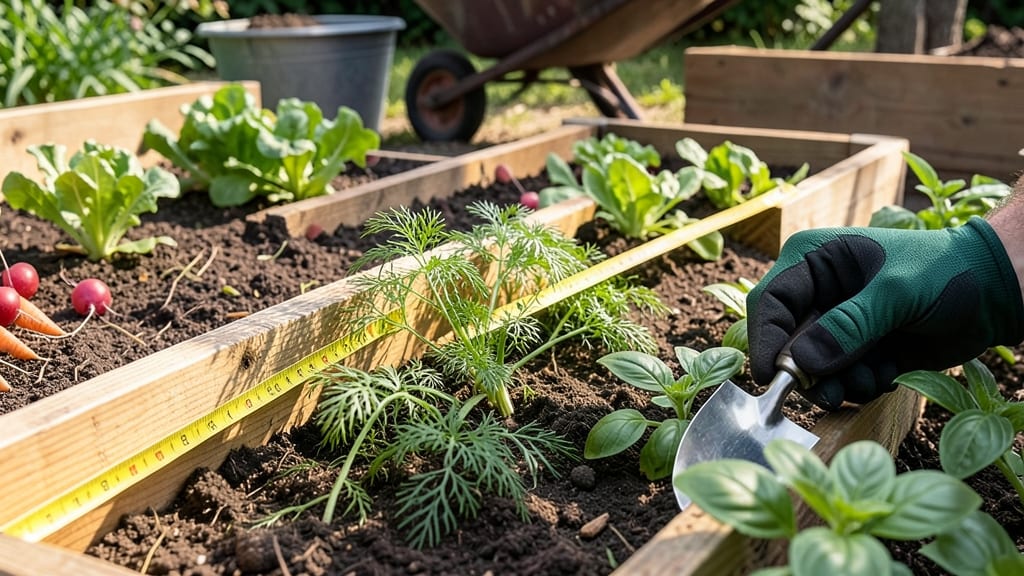
A garden bed width of 4 feet is the sweet spot for easy reach and high yields — but why does this size matter so much?
Picture this: you’re knee-deep in planting season, stretching to grab seeds or weeds in a wide bed that feels like a workout. The 4-foot rule cuts that strain in half, letting you garden comfortably while maximizing space for your plants. It’s not just about convenience—it’s about growing more efficiently.
This width balances accessibility with plant health, ensuring every corner gets sunlight and airflow. Whether you’re designing raised beds or in-ground plots, sticking to this standard keeps your back happy and your harvests thriving. Below, I’ll break down the science, layout tips, and common mistakes to avoid.
Ready to design a bed that works as hard as you do? Let’s dive into why 4 feet is the golden number and how to make it work for your garden.
Why the 4-Foot garden bed width maximizes reach and yield
If you’ve ever stretched halfway across a garden bed to reach your tomatoes or lettuce, you know how awkward—and tiring—that can be. The 4-foot garden bed width isn’t just a random measurement; it’s a science-backed design that balances ergonomics, plant health, and harvest efficiency.
Whether you're a seasoned gardener or just starting, this width reduces strain while optimizing sunlight exposure and airflow for your plants. 🌱
Research from the University of Minnesota Extension confirms that a 4-foot width lets you stand comfortably in the middle of the bed, reaching 2 feet in either direction without overstretching. This reduces back pain and improves accessibility for people of all ages.
Plus, it aligns perfectly with the spacing needs of most vegetables and herbs, ensuring your plants have enough room to thrive without crowding. ☀️
Here’s the kicker: studies show that 4-foot beds can yield up to 20% more produce compared to wider beds. Why? Because narrower beds allow for better sunlight penetration to the center, improved airflow to prevent diseases, and easier maintenance.
Wider beds (like 6+ feet) force you to step on the soil, compacting it and limiting root growth. Meanwhile, beds narrower than 3 feet waste space and make efficient planting nearly impossible. ✂️
Another advantage of the 4-foot width is its flexibility. You can arrange multiple beds in a grid, creating a functional layout that fits almost any backyard.
For example, a 4x8-foot bed gives you 32 square feet of growing space—enough for a family’s tomatoes, peppers, greens, and herbs—while keeping everything within arm’s reach. This setup also works beautifully with raised beds, where depth and drainage are easier to control. 🪴
Let’s talk about plant spacing, which is directly tied to bed width. In a 4-foot bed, you can plant two rows of most vegetables (like carrots or radishes) with ample space between them.
Larger plants, such as corn or squash, can be placed at the edges, where they won’t shade the center. This strategic placement ensures every plant gets the sunlight and nutrients it needs. 🌿
Airflow is another critical factor often overlooked in wider beds. A 4-foot width allows unobstructed airflow between plants, reducing the risk of fungal diseases like powdery mildew or blight. In contrast, wider beds can trap moisture and create humid microclimates that invite pests and pathogens.
By keeping your beds at this optimal width, you’re essentially future-proofing your garden against common issues. 💧
If you’re still skeptical, consider this: professional gardeners and urban farming experts swear by the 4-foot rule. It’s the standard in square foot gardening and biointensive farming because it maximizes space while minimizing wasted effort.
Plus, it’s adaptable—whether you’re growing vegetables, flowers, or herbs, this width keeps everything manageable and productive. ✅
Ready to put this into practice? Start by sketching your garden layout with 4-foot-wide beds and 2-foot pathways. Measure twice, mark your lines with stakes, and soon you’ll be harvesting like a pro—without the backache. Your future self (and your plants) will thank you! 🌻
Designing your 4-Foot garden bed: layouts and plant pairings
Designing a 4-foot garden bed isn’t just about fitting plants—it’s about creating a functional ecosystem where every plant thrives without competition. This width gives you easy reach from both sides while allowing sunlight to penetrate the center.
Start by sketching your bed’s layout, marking pathways (at least 2 feet wide) for comfortable access. For raised beds, ensure 12-18 inches of soil depth to accommodate root systems.
Layering plants by height is key to maximizing space. Place tall plants like tomatoes or sunflowers at the north end to avoid shading shorter varieties. Mid-height plants such as basil or peppers go in the middle, while low-growing crops like lettuce or radishes belong at the south edge.
This vertical arrangement mimics nature, improving airflow and reducing disease risk.
| Plant Category | Ideal Height Layer | Companion Plants | Spacing (inches) |
|---|---|---|---|
| Tall Plants (6+ ft) | North end | Tomatoes, Sunflowers, Corn | 18-24" |
| Mid-Height (2-4 ft) | Middle | Peppers, Basil, Beans | 12-18" |
| Low-Growing (1 ft or less) | South edge | Lettuce, Radishes, Carrots | 6-12" |
| Ground Cover | Front/edges | Strawberries, Clover | 12-18" |
Companion planting is another game-changer in a 4-foot bed. Pair basil with tomatoes to repel pests, or plant carrots with onions to deter carrot flies. Avoid planting potatoes near tomatoes—they share diseases.
Use the table above as a guide, but don’t hesitate to experiment with local plant pairings that work in your climate.
Pathways are often overlooked but critical for long-term maintenance. A 2-foot-wide path of mulch or gravel between beds lets you step in without compacting soil. For larger gardens, add boardwalks or stepping stones to prevent soil erosion.
If space is tight, opt for narrower paths (18 inches) but ensure they’re wide enough for a wheelbarrow if needed.
Finally, rotate your plant families yearly to prevent soil depletion and pests. For example, swap nightshades (tomatoes, peppers) with legumes (beans, peas) the next season. This keeps your 4-foot bed productive and healthy for years to come.
With the right layout, your 4-foot garden bed will feel like a well-orchestrated garden—where every plant has room to grow, and you have room to enjoy the process. Happy planting!