
Fertilization
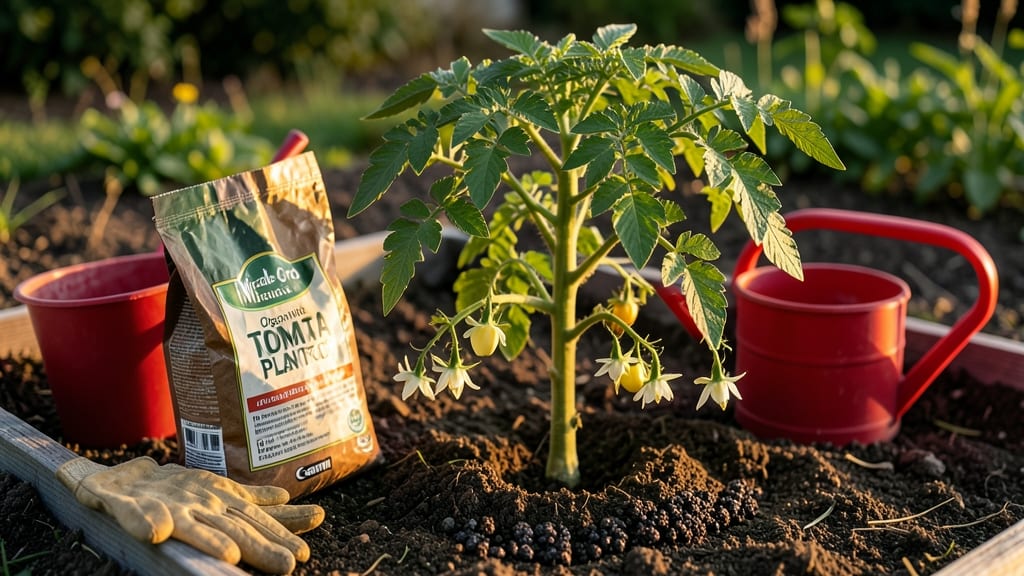
Feeding your Food Garden Plants (General) with the right garden plant food can turn a lackluster harvest into a thriving bounty 🌱 — and the key lies in understanding how nutrients like nitrogen, phosphorus, and potassium work together.
Struggling to get your garden plants to grow faster? The secret lies in understanding the perfect nitrogen-phosphorus-potassium (NPK) ratios — your plants' nutritional powerhouse for explosive growth and vibrant blooms.
Most gardeners overlook how each number on that fertilizer bag actually impacts their plants. Too much nitrogen and you get lush leaves but no fruit. Too little phosphorus and your flowers won't bloom. The right balance is what turns good soil into great harvests.
In this guide, I’ll break down how to match NPK ratios to your specific plants, when to feed them for maximum growth, and how to avoid common mistakes that waste money and stunt progress.
Understanding nitrogen-phosphorus-potassium ratios in garden plant food
When you look at a bag of garden plant food, those three numbers like 10-10-10 or 5-10-5 aren't random—they're your plant's nutritional blueprint. These numbers represent the NPK ratio, which tells you exactly how much nitrogen (N), phosphorus (P), and potassium (K) your fertilizer contains.
Getting this right can mean the difference between lush, productive plants and struggling ones that just won't thrive.
The NPK ratio is the foundation of healthy plant growth. Nitrogen fuels leafy green growth, phosphorus strengthens roots and encourages flowering, while potassium helps plants resist diseases and manage water efficiently. Each nutrient plays a unique role, and understanding their balance is key to feeding your garden the right way.
For example, a high-nitrogen fertilizer like 20-5-5 will produce lots of leaves but fewer flowers, while a balanced ratio like 10-10-10 supports overall plant health.
Here's the breakdown of what each number means and how it impacts your garden:
If you're growing leafy greens like lettuce or spinach, you'll want a fertilizer with a higher nitrogen ratio, such as 20-5-5. This ensures your plants develop strong, vibrant leaves.
On the other hand, if you're cultivating flowering plants like roses or petunias, a phosphorus-heavy ratio like 5-10-5 will encourage abundant blooms. For fruiting plants, such as tomatoes or peppers, a balanced or phosphorus-rich ratio like 10-20-10 is ideal because it supports both growth and fruit production.
Matching the NPK ratio to your plant's needs isn't just about picking a random bag of fertilizer—it's about understanding your garden's specific requirements.
For instance, vegetables like broccoli or cabbage thrive with a 10-10-10 ratio, while herbs such as basil or parsley benefit from a slightly higher nitrogen content to keep their leaves lush and flavorful.
Meanwhile, fruiting plants like strawberries or blueberries often need a lower nitrogen and higher phosphorus ratio to produce sweet, abundant fruit.
One common mistake gardeners make is assuming a one-size-fits-all approach to fertilizing. However, different plants have different needs at various stages of growth.
For example, young seedlings often need a lower nitrogen ratio to encourage root development, while mature plants may benefit from a higher nitrogen ratio to support leafy growth. Always check the NPK label and match it to your plant's current stage and type.
This targeted approach ensures your garden gets the most out of its nutrients without wasting resources or harming your plants.
Another critical factor is the timing of fertilization. Applying fertilizer at the right time—such as in the early growing season or just before flowering—can significantly improve your plant's health and productivity.
For example, spring feeding with a balanced NPK ratio like 10-10-10 helps kickstart growth, while a phosphorus-rich fertilizer applied just before flowering can boost bloom production. Always follow the instructions on the fertilizer package, and consider conducting a soil test to understand what nutrients your soil is already providing.
Understanding NPK ratios also helps you troubleshoot common plant problems. For instance, if your plants are developing yellow leaves, it could be a sign of nitrogen deficiency, while poor flowering might indicate a lack of phosphorus. By adjusting your fertilizer based on these signs,
How to choose the right garden plant food for fast growth by plant type
Choosing the right garden plant food isn't about grabbing the first bag of fertilizer you see—it's about understanding your plants' unique needs. Different plants thrive with different NPK ratios, and using the wrong formula can lead to wasted money or even plant damage.
For example, leafy greens like lettuce and spinach need high nitrogen to fuel rapid leaf growth, while flowering plants like roses and petunias require a balanced mix to produce vibrant blooms.
The key is matching the NPK ratio to your plant type. Too much nitrogen can result in lush foliage but no fruit, while too little phosphorus can stunt root development. By selecting the right fertilizer, you can accelerate growth, boost yields, and keep your garden thriving all season long.
Let’s break down the best plant food choices for common garden categories.
Use high-nitrogen fertilizers (e.g., 10-5-5 or 12-4-6) to promote rapid foliage growth. Avoid phosphorus-heavy formulas.
Opt for balanced NPK (e.g., 10-10-10 or 5-10-5) to support both foliage and bloom production.
Choose phosphorus-rich fertilizers (e.g., 5-10-5 or 3-12-6) to encourage root development and fruit production.
Use moderate NPK (e.g., 5-10-10 or 6-12-12) to balance growth and harvest quality.
Select low-to-moderate nitrogen (e.g., 5-10-10) to avoid bitter flavors while supporting healthy growth.
For leafy greens, I always reach for a fertilizer with a higher first number (nitrogen), like a 10-5-5 blend. This ensures my spinach and lettuce grow quickly and stay vibrant.
If I notice yellowing leaves, it’s often a sign of nitrogen deficiency, and a quick boost with a high-nitrogen fertilizer gets them back on track.
When it comes to flowering plants, I switch to a balanced formula like 10-10-10. This helps my roses and petunias produce abundant blooms without sacrificing foliage health.
I’ve learned the hard way that skipping phosphorus can lead to weak stems and fewer flowers—so I always double-check the NPK ratio before buying.
For fruiting plants, such as tomatoes and peppers, I prioritize phosphorus. A ratio like 5-10-5 ensures strong root systems and heavy fruit production. I’ve seen my tomato plants struggle when I used a high-nitrogen fertilizer meant for greens—it led to leafy growth but no fruit!
Always match the fertilizer to the plant’s goal.
Don’t forget to consider organic options like compost or fish emulsion for a slow-release nutrient boost. These work well for long-term growth and improve soil health over time. For fast results, synthetic fertilizers with clear NPK ratios are my go-to, but I always follow the instructions to avoid over-fertilizing.
By tailoring your garden plant food to your plants' specific needs, you’ll see faster growth, healthier plants, and a more bountiful harvest. Start with these guidelines, and don’t hesitate to experiment—your garden will thank you! 🌿