
Pruning
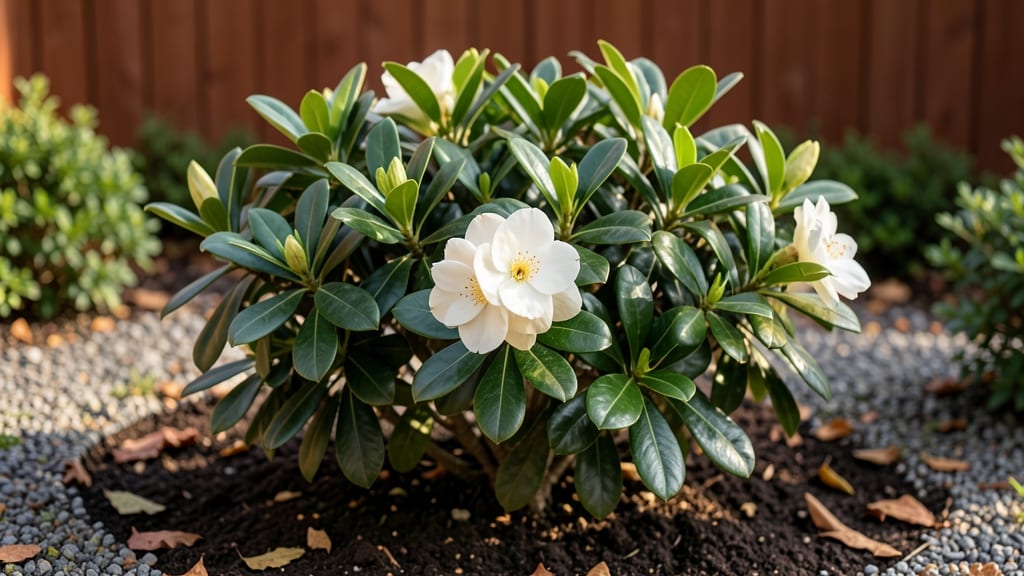
A gardenia bush’s height can soar to 6–15 feet if left unpruned, but with the right cuts, you can shape it into a compact, fragrant centerpiece that stays between 3–6 feet—ideal for patios or foundation plantings.
Picture this: Your 🌸 gardenia climbing your fence like an overgrown vine, its blooms hidden in the branches, or worse, failing to flower at all. The secret isn’t just where you plant it—it’s when and how you prune.
A little strategic trimming in spring can keep your gardenia bush lush, blooming, and at the perfect height for years.
Not all gardenias grow the same. Dwarf varieties like ‘Radicans’ top out around 2–3 feet, while standard types can easily reach 6 feet or taller. Sunlight, soil, and even your pruning style play a huge role in whether your gardenia stays manageable or becomes a jungle.
Let’s break down how to control its growth so you get more flowers and fewer headaches.
In this guide, you’ll learn the exact pruning cues to keep your gardenia bush at your desired height, the best tools to use, and how to avoid common mistakes that send it shooting upward.
By the end, you’ll know exactly when to trim—and when to leave it alone—for a gardenia that’s both beautiful and well-behaved.

Natural gardenia bush height: how fast and tall they grow
If you've ever wondered why your gardenia bush seems to grow like a jungle vine, you're not alone. These fragrant beauties can reach 6 to 15 feet tall if left unchecked, but their growth rate and final size depend on several factors.
Understanding these will help you manage your gardenia's height and encourage those coveted blooms.
Most gardenia varieties grow 12 to 24 inches per year, with 'Radicans' and 'Kleim’s Hardy' being popular choices for their manageable sizes. However, without proper care, even dwarf varieties can outgrow their space quickly. Let’s break down what influences their height and how you can control it.
| Variety | Mature Height | Growth Rate | Bloom Time |
|---|---|---|---|
| 'Radicans' | 6–10 ft | 12–18 in/year | Summer–Fall |
| 'Kleim’s Hardy' | 3–6 ft | 10–15 in/year | Late Spring |
| Dwarf Varieties | 2–4 ft | 6–12 in/year | Spring–Summer |
| Standard Varieties | 8–15 ft | 18–24 in/year | Summer |
Sunlight is one of the biggest factors in determining how tall your gardenia will grow. These plants thrive in partial shade, meaning they need 4–6 hours of morning sun but should be protected from harsh afternoon rays.
Too much direct sun can cause rapid vertical growth, while too little shade can stunt blooms and encourage leggy stems.
Soil quality also plays a critical role. Gardenias prefer acidic, well-draining soil with a pH between 5.0 and 6.5. If your soil is alkaline or poorly draining, your gardenia will struggle to absorb nutrients, leading to slower growth or uneven height development.
Amending the soil with peat moss or compost can help create the ideal environment.
Fertilizer choices matter too. Using a balanced, acid-loving fertilizer (like a 10-10-10 blend) every 4–6 weeks during spring and summer encourages healthy growth and abundant blooms. Over-fertilizing, however, can lead to excessive leafy growth at the expense of flowers, making your gardenia taller but less fragrant.
Pruning is another key tool for controlling height. The best time to prune is right after flowering, typically in late spring or early summer. This encourages new growth and more blooms the following year.
Avoid heavy pruning in fall or winter, as it can stress the plant and lead to uneven regrowth.
If you're growing gardenias in containers, their height will naturally be more controlled due to limited root space. However, they’ll still need regular pruning to maintain shape and encourage bushiness. Container gardenias also require more frequent watering, which can influence growth speed—keep the soil consistently moist but never soggy.
One common misconception is that gardenias bloom only when they reach a certain height. In reality, blooming is more tied to age and care than size. A well-cared-for gardenia can produce flowers even in its first year, though mature plants (3–5 years old) typically have the most abundant blooms.
If your gardenia isn’t flowering, check its sunlight, soil pH, and fertilizer routine.
To summarize, your gardenia’s height depends on its variety, sunlight, soil, and pruning habits. With the right care, you can keep it at a manageable size while enjoying its intoxicating fragrance and stunning blooms.
Start by choosing the right variety for your space, then focus on creating the ideal growing conditions.
Ready to shape your gardenia’s growth? The next step is learning how to prune it effectively—stay tuned for our step-by-step pruning guide! 🌿
Step-by-step pruning guide to control gardenia bush height
Pruning your gardenia bush isn’t just about trimming back overgrowth—it’s about shaping its future. The key to keeping it between 3–6 feet lies in understanding two critical seasons: spring for structural cuts and summer for bloom maintenance.
I’ve pruned my gardenia for years, and the difference between a scraggly, leggy bush and a bushy, fragrant powerhouse comes down to timing and technique.
Start by gathering the right tools: bypass pruners for clean cuts on smaller stems and loppers for thicker branches. Sterilize your blades with rubbing alcohol to prevent disease—this is especially important for gardenias, which are prone to fungal issues.
I always prune on a dry, overcast day to reduce stress on the plant, and I never cut more than one-third of the bush at a time.
Step-by-Step Pruning Guide
-
Step 1: Prune in Early Spring
Cut back dead or crossing branches first, then trim 1/3 of last year’s growth to encourage new, bushier growth. Focus on the outer edges to maintain shape. -
Step 2: Shape After Blooming (Summer)
Remove spent flowers and overly long stems to redirect energy to new blooms. Cut just above a leaf node at a 45-degree angle to promote healing. -
Step 3: Light Pruning in Late Summer
Trim new growth that’s too leggy to prevent tall, sparse stems. Avoid heavy pruning now—it can stunt fall blooms. -
Step 4: Avoid Fall Pruning
Never prune in fall or winter—this encourages tender new growth that won’t survive frost. Wait until early spring to reset the bush. -
Step 5: Fertilize After Pruning
Apply an acidic fertilizer (e.g., 10-10-10) to support new growth. Water deeply to help roots recover from pruning stress.
For a bushier gardenia, focus on pruning the tips of branches rather than cutting back to old wood. This encourages lateral growth, which translates to more blooms. I once had a gardenia that grew straight up like a pole—until I started pinching back the topmost buds in early summer.
Within a year, it transformed into a rounded, flower-covered shrub.
If your gardenia is already too tall, don’t panic. You can gradually reduce height by making smaller cuts each year. For example, if it’s 8 feet tall and you want 5 feet, aim to trim 6–12 inches per year until you reach your goal.
Always cut just above a leaf node or bud to encourage regrowth in the right direction.
Pro tip: Mulch around the base after pruning to retain moisture and protect roots. I use pine bark mulch because it also adds acidity to the soil, which gardenias love.
Pair this with regular watering (deep soaks every 3–5 days), and your pruned gardenia will bounce back with vibrant blooms and controlled height.