
Container Gardens
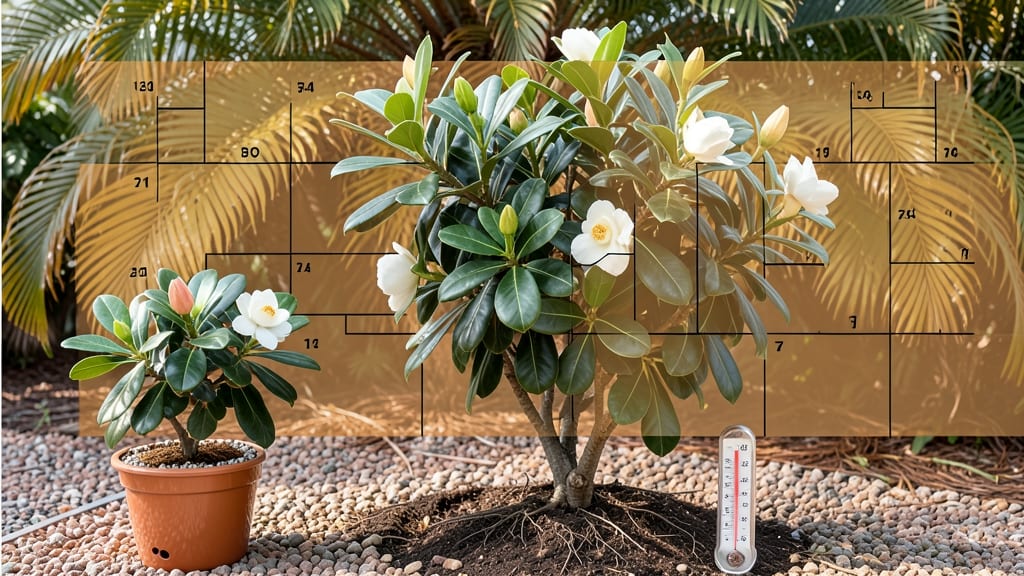
Growing gardenias thrives best in USDA zones 9b through 11, where warm winters and high humidity keep these fragrant shrubs 🌸 happy and blooming.
If you’ve ever struggled to keep your gardenia blooming, the issue might be as simple as living outside its ideal climate range. These tropical beauties wilt when temperatures dip below 30°F, and even a light frost can kill them to the ground.
But don’t give up if you’re in a cooler zone! With the right strategies—like container growing or winter protection—you can still enjoy gardenias year-round. I’ll break down how to adapt, zone by zone, so your gardenia stays lush and fragrant.
You’ll learn the exact temperature thresholds, humidity needs, and light conditions that make the difference between a thriving shrub and a struggling one. Let’s get your gardenia blooming like it’s in its natural habitat.
USDA hardiness zones for gardenia plants: where they thrive best
Gardenia plants, known for their intoxicating fragrance and glossy foliage, are tropical beauties that thrive in warm climates. Understanding their USDA hardiness zones (7-11) is key to growing them successfully. These zones determine how well your gardenia will tolerate temperature fluctuations, frost, and seasonal changes.
In zones 9b-11, gardenias flourish outdoors year-round, while gardeners in cooler zones (7-8) must use protective strategies to keep them alive.
Each USDA zone presents unique challenges for gardenia care. For example, gardenias in zone 10 need protection from winter chill, while those in zone 7 may struggle without container cultivation or winter mulching.
Let’s break down the ideal conditions for each zone to help you nurture your gardenia to its full potential.
🌱 Key Takeaway: Gardenias prefer warmth, humidity, and partial shade. In zones below 8, container growing or winter protection is essential for survival.
In zone 7, gardenias are at their most vulnerable due to frost risks. The 'Kleim's
Climate factors beyond zones: humidity, sunlight, and soil needs
While USDA zones 9b-11 are ideal for gardenias, these tropical shrubs also demand specific humidity levels, sunlight patterns, and soil conditions to thrive. Even in perfect zones, neglecting these factors can lead to yellowing leaves, sparse blooms, or worse—plant death.
I’ve learned through trial and error that gardenias are fussy but forgiving when given the right care environment.
Let’s focus on three critical non-zone factors that make or break your gardenia’s success: maintaining 60%+ humidity, providing morning sun with afternoon shade, and ensuring acidic soil (pH 5.0-6.5).
These elements work together to mimic the gardenia’s natural tropical habitat, where warm, moist air and gentle light fuel their growth.
I once had a gardenia in zone 10 that refused to bloom until I adjusted its environment. The key was combining daily misting (to boost humidity) with a lightweight shade cloth during afternoons.
Within weeks, buds formed! The lesson? Gardenias don’t just need the right zone—they need a microclimate that feels like home.
For container gardeners in zones 7-8, group gardenias with other humidity-loving plants like ferns or calatheas. This creates a natural mini greenhouse effect, raising humidity around the roots. Just avoid overcrowding—gardenias need circulation to prevent fungal issues.
Remember: Soil pH is often the hidden villain. I’ve seen gardenias in perfect zones fail because the soil was too alkaline. A quick fix is to top-dress with pine needles or sphagnum moss annually.
This acidifying mulch works slowly but effectively to keep pH in the ideal range for blooms.
Your gardenia’s success hinges on these three factors working together. Start with humidity adjustments, refine the light exposure, and lock in the soil pH. With these tweaks, even gardeners in marginal zones can enjoy fragrant blooms year-round. 🌿