
Plants
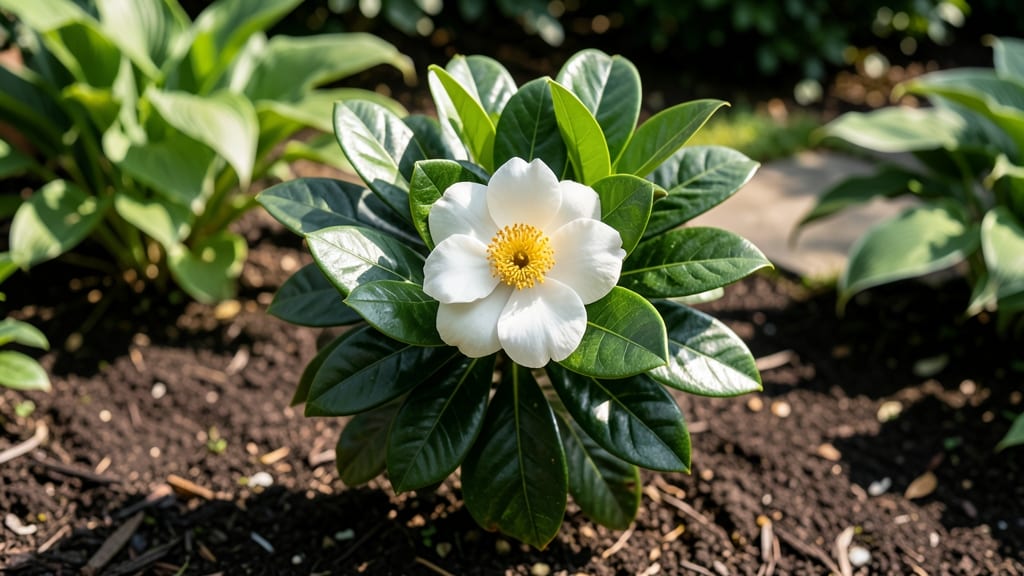
A gardenia plant thrives in partial shade with morning sun and afternoon protection — the key to those fragrant, glossy blooms you’ve been dreaming of.
If you’ve ever struggled to keep your gardenia blooming despite your best efforts, the secret might be hiding in plain sight.
Light exposure plays a far bigger role in fragrant blooms than most gardeners realize, and getting it right can transform your 🌸 gardenia from a struggling shrub into a lush, fragrant centerpiece.
Too much sun? The leaves scorch and flowers refuse to open. Too little light? Growth stalls and blooms disappear. The solution lies in balancing sun and shade—and I’ll show you exactly how to do it, whether you’re growing indoors or outdoors in USDA Zone 6a.
In this guide, you’ll learn the ideal light conditions for your gardenia, how to spot signs of improper exposure, and practical shade solutions to keep your plant happy year-round.
 Best Window Placement
Optimal sunlight requirements for gardenia plants to maximize blooms
Gardenia plants (Gardenia jasminoides) are famous for their intoxicating fragrance and glossy foliage, but their light requirements are often misunderstood. Unlike sun-loving shrubs, gardenias thrive in bright, indirect light with protection from harsh afternoon rays.
The key is finding that sweet spot between too little sun (which stunts blooms) and too much sun (which causes leaf burn). Let’s break down the perfect sunlight balance for your gardenia’s variety and climate.
Most gardenias fall into two categories: tropical gardenias (native to warm climates) and hardy gardenias (bred for cooler regions). Tropical varieties, like 'Radicans' or 'Kleim's Hardy', need slightly more shade, while hardy types can tolerate a bit more morning sun.
Your goal? Mimic their natural understory habitat—think dappled light under tall trees. This ensures your plant gets enough energy for blooms without overheating.
Here’s the golden rule: 4-6 hours of morning sun followed by afternoon shade is ideal for most gardenias. If you’re growing them in USDA zones 7-10, aim for 30-50% shade during peak summer hours (12 PM–4 PM).
In cooler zones (6-7), they can handle a bit more sun, especially in spring and fall when temperatures are milder. The trick is to monitor your plant’s response and adjust gradually.
🌸
| Variety | Ideal Sunlight | Signs of Too Much Sun | Signs of Too Little Sun |
|---|---|---|---|
| Tropical Gardenias (e.g., 'Radicans', 'Veitchii') | 4-5 hrs morning sun + afternoon shade | Yellowing leaves, crispy edges, leaf scorch | Leggy growth, sparse blooms, pale leaves |
| Hardy Gardenias (e.g., 'Kleim's Hardy', 'Mystery') | 5-6 hrs morning sun + light shade | Brown patches, wilting, reduced blooming | Slow growth, few buds, dark green leaves |
| Dwarf Varieties (e.g., 'Fortuniana', 'Belinda') | 3-4 hrs bright indirect light | Curling leaves, stunted growth | Etoliation (stretched, weak stems) |
Now, let’s talk about how to spot light-related stress in your gardenia. If your plant is getting too much sun, you’ll notice yellowing leaves with brown edges (a classic sign of leaf scorch). The leaves may also feel crispy to the touch, and buds might drop before opening.
In extreme cases, the plant can go into dormancy to protect itself. On the flip side, too little light leads to long, leggy stems with fewer blooms, and the leaves may turn dark green and dull. If you see these signs, it’s time to adjust!
For outdoor gardenias, use natural shade from trees or install a 50% shade cloth during peak summer heat. If you’re growing them indoors, place them near an east-facing window or use sheer curtains to filter harsh light.
Rotate the pot every few weeks to ensure even growth. Pro tip: In hot climates, avoid placing gardenias near south- or west-facing walls, which can bake them in the afternoon sun.
Seasonal adjustments are key to keeping your gardenia blooming year-round. In spring, gradually introduce more sunlight to wake up dormant buds. By summer, ramp up the shade to protect from intense rays.
In fall, you can increase sunlight slightly as temperatures drop, and in winter, move potted gardenias to a bright, cool spot indoors if frost is forecasted. This seasonal dance ensures your plant stays healthy and productive.
One common mistake gardeners make is assuming that more sun equals more blooms. In reality, gardenias bloom best with consistent, moderate light. If you’ve been struggling with poor flowering, take a close look at your plant’s light conditions.
A simple adjustment—like moving it to a shadier spot or adding a sheer curtain—can make all the difference. Remember, gardenias are not sun-seekers; they’re light-lovers with boundaries.
To test your gardenia’s light conditions, use a light meter (or a free app) to measure foot-candles. Ideal levels are between 1,000-3,000 foot-candles. If you’re below 1,000, supplement with a grow light for 4-6 hours daily.
If you’re above 3,000, especially in the afternoon, it’s time to provide shade. Think of your gardenia like a tea drinker—it enjoys a gentle brew, not a strong espresso.
Finally, don’t forget that container size and material affect light needs. Gardenias in small pots dry out faster and may need more shade, while those in large containers can handle slightly more sun.
If you’re repotting, choose a terracotta pot (which breathes better) and ensure it has drainage holes to prevent root rot—a common issue when light and water balance are off.
With the right sunlight strategy, your gardenia will reward you with abundant, fragrant blooms from spring through fall. Start by assessing your plant’s current light conditions, then make small adjustments based on the signs you observe.
Before you know it, your garden will be filled with the sweet scent of gardenia perfection! 🌿
Shade solutions for gardenia plants: when and how to protect from harsh sun
Gardenia plants love bright, indirect light but can quickly suffer when exposed to harsh afternoon sun. In my Zone 6a garden, I’ve learned that providing the right shade can mean the difference between a bloom-filled shrub and a struggling one.
The key is creating a balanced light environment—enough sun to fuel growth but protection from intense rays that scorch delicate leaves.
Too much direct sun causes leaf burn and stunted blooms, while too little shade can lead to weak stems and fewer flowers. The ideal solution? A mix of morning sun and afternoon shade, with adjustments based on your climate.
Let’s explore how to achieve this, whether you’re working with natural shade or need to create it yourself.
Warning: Harsh Sun Can Ruin Your Gardenia
Gardenia plants cannot tolerate more than 4 hours of direct afternoon sun in hot climates. Signs of over-exposure include:
- Brown, crispy leaf edges (leaf scorch)
- Yellowing leaves (nutrient burn)
- Fewer or no blooms (stress response)
For outdoor gardenias, the easiest fix is planting near tall trees or structures that cast dappled shade. I recommend positioning your plant under a deciduous tree like a Japanese maple or near a west-facing wall with lattice for filtered light.
In containers, use a light-colored pot (to reflect heat) and place it on a patio with a sheer umbrella for adjustable shade.
If natural shade isn’t an option, DIY shade structures work wonders. A simple 50% shade cloth (like Agribon) draped over a hoop house or trellis blocks harmful UV rays while allowing bright indirect light.
For small spaces, try a foldable fabric canopy or even a white garden umbrella. The goal is to reduce intensity, not eliminate light entirely—gardenia still needs 4-6 hours of filtered sun daily.
Climate matters too. In hot, dry regions (like Zone 9+), aim for 70% shade in summer but reduce to 30-40% in cooler months. In cooler climates (like Zone 6a), morning sun and afternoon shade is perfect year-round.
Always monitor your plant’s leaf color and growth rate—if leaves turn pale or leggy, it needs more light; if they brown or crisp, it’s getting too much sun.
Pro tip: Rotate your pots every few weeks to ensure even light exposure. I also prune leggy growth in spring to encourage bushier, healthier blooms. With the right shade balance, your gardenia will reward you with fragrant, glossy blooms all season long. 🌸