
Light Requirements
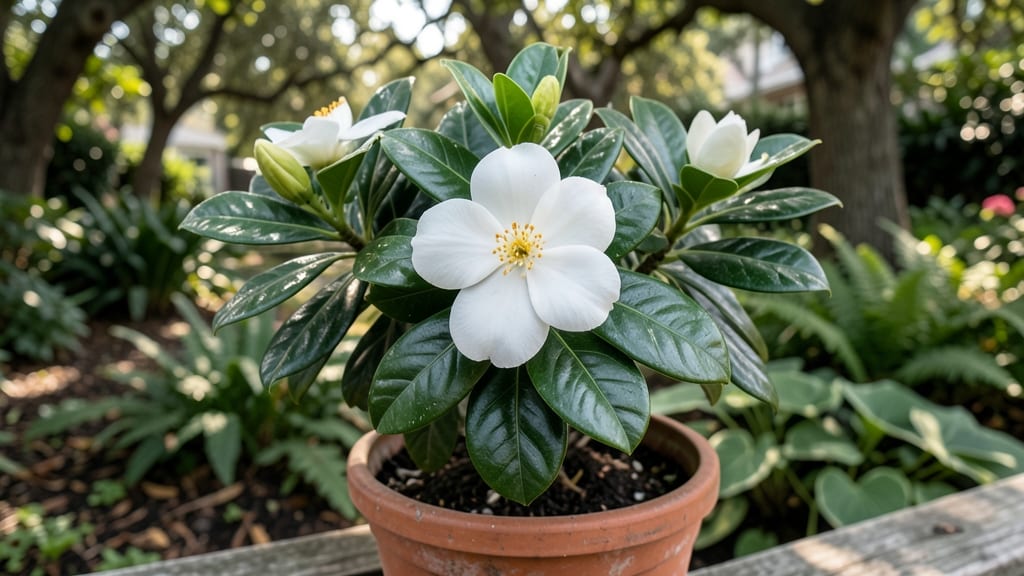
Gardenias thrive with the right sunlight requirements—a balance of morning sunlight and afternoon shade that keeps their glossy leaves and fragrant blooms looking their best 🌸.
Struggling to keep your gardenia blooming? The secret isn’t just water or fertilizer—it’s mastering its sunlight needs. Get this right, and you’ll enjoy fragrant white flowers year after year.
Too much direct afternoon sun can scorch leaves, while too little light means fewer blooms. The ideal spot gives you 4-6 hours of morning sun and gentle shade in the heat of the day.
Below, I’ll break down how to position your gardenia for success, whether you’re in a sunny climate or a cooler zone, plus how to spot signs of sunlight stress before it’s too late.


Optimal sunlight balance: morning sun vs. afternoon shade explained
Gardenia plants thrive when given the perfect balance of sunlight, but most gardeners get this wrong by focusing only on total hours rather than timing. The morning sun vs. afternoon shade ratio is the real secret to keeping your gardenia blooming and healthy.
Morning sunlight provides gentle, low-intensity light that helps prevent leaf scorch, while afternoon shade protects delicate foliage from intense UV rays and heat stress.
Science explains why this works: gardenias are native to tropical and subtropical regions where they naturally receive dappled sunlight through tree canopies. The morning sun helps kickstart photosynthesis without overheating the plant, while afternoon shade prevents oxidative stress that can cause leaf burn.
This balance creates the ideal environment for your gardenia to focus energy on blooming rather than protecting itself from harsh conditions.
For most climates, aim for 3-4 hours of morning sun followed by 4-6 hours of filtered afternoon shade.
In tropical zones, you can extend morning sun to 5 hours but must provide dense afternoon shade after 12 PM. In temperate zones, reduce morning sun to 2-3 hours and extend afternoon shade until 4 PM to protect against cooler evening temperatures.
Here’s how to translate this into real-world placement. If your gardenia is in a container, position it near an east-facing window or under a patio umbrella that provides afternoon shade.
For in-ground plantings, use nearby trees with semi-deciduous foliage (like Japanese maples) that offer natural shade without blocking all light.
🌸 Gardenia Sunlight Requirements Comparison
| Climate Type | Morning Sun (Hours) | Afternoon Shade (Hours) | Key Adjustments |
|---|---|---|---|
| Tropical (Zones 10-12) | 4-5 | 5-7 | Use sheer white fabric for afternoon shade; avoid full shade |
| Temperate (Zones 7-9) | 3-4 | 4-6 | Plant near deciduous trees; extend shade in summer |
| High Altitude (Zones 4-6) | 2-3 | 6-8 | Provide afternoon shade with lattice screens; use grow lights in winter |
| Urban Balcony | 2-3 (east exposure) | 3-5 (west exposure) | Rotate container monthly; use reflective surfaces (white walls) to maximize light |
The angle of sunlight matters just as much as duration. Morning sunlight hits at a lower angle, which creates softer, more diffuse light that gardenias can process without stress. Afternoon sun, especially in summer, delivers harsh, direct rays that can bleach leaves and cause sunburn.
This is why gardenias often struggle in west-facing locations—even with the same total sunlight hours, the intensity differs dramatically.
You can test your gardenia’s sunlight balance by observing its leaves. If the top leaves are yellowing or crispy, it’s getting too much afternoon sun. If the bottom leaves are pale and leggy, it needs more morning light.
The ideal gardenia leaf should be deep green and glossy on both sides, with only the top few leaves showing slight variegation from morning sun exposure.
For gardeners in high-humidity climates, extend afternoon shade to 6-7 hours to prevent fungal issues like powdery mildew, which thrives in hot, humid conditions.
In dry climates, you can reduce afternoon shade slightly to 3-4 hours, but always provide some protection after 1 PM. The key is to mimic the natural dappled light conditions of their native habitat.
If you’re moving your gardenia from one location to another, do it gradually over 7-10 days to avoid sunlight shock. Start with morning sun only, then slowly introduce afternoon shade.
This acclimation period helps the plant adjust its photosynthetic processes and prevents leaf scorch. Think of it like helping your gardenia build a natural sunscreen layer!
Remember that gardenias are light-sensitive during their blooming period. When buds form in late spring, increase morning sun slightly to 4-5 hours to encourage flowering, then maintain the afternoon shade routine.
This timing ensures your plant puts energy into producing those fragrant white blooms rather than protecting itself from harsh conditions.
With the right sunlight balance, your gardenia will reward you with year-round blooms and lush foliage. The secret isn’t complicated—it’s about understanding that gardenias don’t just need sunlight, they need the right kind of sunlight at the right time. 🌸
Signs your gardenia isn’t getting the right sunlight (and how to fix it)
Your gardenia’s leaves might be whispering secrets about its sunlight struggles. Yellowing leaves or leaf drop often signal too much harsh afternoon sun, while stunted growth or lack of blooms usually mean it’s not getting enough light. I’ve seen gardeners miss these clues until their plants look half as vibrant.
Even subtle changes in light exposure can throw off your gardenia’s delicate balance. For example, moving a potted gardenia from a west-facing patio to a south-facing spot without adjusting shade can cause leaf scorch in just a few weeks. The key is observing these symptoms early and acting fast.
⚠️ Warning: Gardenia Sunlight Stress
Too Much Sun: Crispy leaf edges, brown spots, or leaves curling up like burnt toast. Fix: Move to dappled shade or use a light sheer curtain to filter harsh rays.
Too Little Sun: Pale leaves, no blooms, or leggy growth stretching toward light. Fix: Gradually increase morning sun (max 4-6 hours) or supplement with a grow light 12 inches away.
Start by checking your gardenia’s leaf color. Healthy leaves should be deep green and glossy. If they’re turning yellow between veins, it’s often a sign of too much direct sun, especially in hot afternoons.
I once had a gardenia in a full-sun spot that looked like it had been spray-painted with lemon juice!
Another red flag is bud drop. Gardenias set buds in spring, but if they’re not getting enough bright indirect light, they’ll drop before blooming. This is your plant’s way of saying, “I need more light to fuel my flowers!”
Try placing it near an east-facing window or under a light tree canopy.
For container gardenias, watch for roots circling the pot—a sign of stunted growth from insufficient light. If this happens, repot into a larger container with well-draining soil and move it to a sunnier spot (but still with afternoon shade).
I’ve seen container gardenias bounce back in just a few weeks with the right light fix!
Don’t forget to monitor blooming patterns. A well-lit gardenia should produce fragrant white flowers from late spring to fall. If you’re seeing fewer than 5 blooms per season, it’s likely a light issue. Try rotating your plant quarter-turns weekly to ensure even light exposure on all sides.
Remember, gardenias are tropical plants at heart—they thrive in filtered sunlight, much like their native understory habitats. With these fixes, your gardenia will reward you with lush foliage and abundant blooms all season long. 🌿