
Pruning
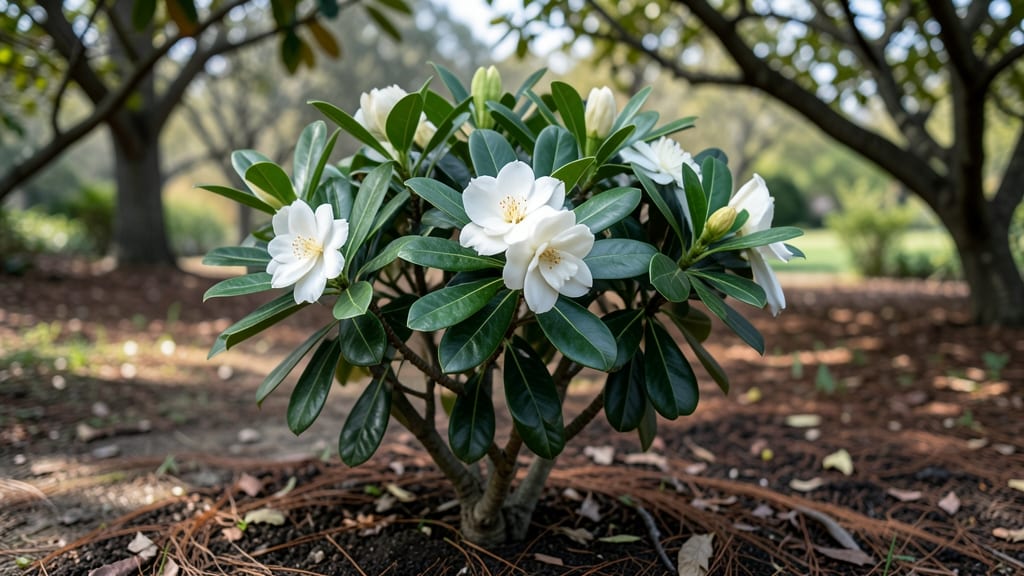
A gardenia tree’s height can reach anywhere from 3 to 15 feet, depending on the variety and care you give it 🌸 — but most gardeners end up with a manageable 5- to 8-foot shrub if they prune it right.
If you’re dreaming of fragrant white blooms but wondering whether a gardenia tree will tower over your backyard or stay compact enough for containers, understanding its growth patterns is key.
Some varieties, like 'Radicans', stay under 5 feet naturally, while others, like 'Veitchii', can stretch toward 15 feet if left unchecked. The difference comes down to sunlight, soil, and how often you trim it back.
Below, I break down exactly how fast your gardenia will grow, when to prune for fuller blooms (without stunting it), and 5 easy tricks to keep it at your ideal height—whether that’s a 3-foot potted showstopper or a 6-foot privacy hedge.

How tall do gardenia trees grow? Mature height by variety & growing conditions
If you’re dreaming of fragrant white blooms but wondering whether a gardenia tree will tower over your backyard or stay compact enough for containers, understanding its growth patterns is key.
Gardenias (Gardenia jasminoides) grow at different rates depending on their variety, with heights ranging from 3 feet for dwarf types to 15 feet for standard trees. Their growth speed—typically 6 to 12 inches per year—also depends on sunlight, soil quality, and climate conditions.
Choosing the right variety is the first step to controlling height. Some gardenias, like the 'Radicans' cultivar, stay under 5 feet, making them perfect for patio pots or small gardens.
Others, such as the 'Veitchii' variety, can reach 10 to 15 feet, requiring more space and regular pruning to maintain a manageable shape. Even within the same variety, factors like pruning, fertilizing, and container size can influence how tall your gardenia grows over time.
🌱
Sunlight plays a critical role in determining how tall your gardenia will grow. While gardenias thrive in partial shade—especially in hot climates—they need at least 4 to 6 hours of morning sun to fuel steady growth.
Too much direct afternoon sun can stunt growth and scorch leaves, while too little light slows flowering and height development. If you’re growing a gardenia in a container, place it near an east-facing window or under a 50% shade cloth during peak summer hours to balance light exposure.
Soil conditions also impact height, particularly the pH level. Gardenias prefer acidic soil (pH 5.0–6.5)—if your soil is alkaline, amend it with sulfur or peat moss to encourage faster, healthier growth. Well-draining soil prevents root rot, which can weaken the plant and reduce its growth potential.
In climates with high humidity, like zones 7–10, gardenias grow more vigorously, sometimes reaching their mature height 2–3 years faster than in drier regions.
Pruning is another tool to control height, but timing matters. If you prune too late in the season, you risk reducing next year’s blooms. Instead, prune right after flowering (late summer) to shape the tree without sacrificing flowers.
For dwarf varieties, light pruning in early spring encourages bushier growth and prevents legginess. Avoid heavy pruning—never cut more than one-third of the plant’s height at once, or you’ll shock the gardenia and slow its growth.
🌿
Container gardening is a great way to limit height naturally. Gardenias grown in 15–20 gallon pots with root pruning (trimming roots when repotting) stay 30–50% shorter than in-ground plants. Use a well-draining potting mix with perlite or orchid bark to prevent root-bound stress.
Fertilize with a balanced, acidic fertilizer (10-10-10) every 4–6 weeks during the growing season, but avoid high-nitrogen feeds, which promote leafy growth at the expense of flowers and height control.
If you’re planting a gardenia in your yard, consider its ultimate height when choosing a location. A standard gardenia near a patio might block walkways as it matures, while a dwarf variety in a large pot adds fragrance without overwhelming the space.
Mulch around the base with pine bark or compost to retain moisture and encourage steady, upward growth. Just remember: patience is key—most gardenias take 3–5 years to reach their full height, but the fragrant blooms are worth the wait!
☀️
When and how to prune gardenias for maximum blooms without stunting growth
Pruning your gardenia tree at the right time can double your blooms while keeping its height in check—but timing and technique matter. Most gardeners prune after flowering in late spring or early summer, but I’ve found that fall pruning (just before winter) also works for milder climates.
The key is to avoid cutting back when buds are forming, as this can reduce next year’s flowers.
Start by removing dead or crossing branches first—they compete for nutrients and weaken growth. Then, shape your gardenia by trimming 1/3 of the oldest stems to encourage new, flower-bearing growth.
For container gardenias, I recommend pruning more aggressively (up to 50%) to maintain compact size, while in-ground varieties tolerate lighter cuts.
Use sharp, sterilized pruners to make clean cuts at a 45-degree angle, just above a leaf node. Avoid leaving stubs, as they invite disease. If your gardenia is leggy, focus on cutting back the longest stems first—they’re often the least productive for blooms.
Cutting back more than 1/3 of the plant at once can shock your gardenia, leading to fewer blooms and slower recovery. If your gardenia is under 3 feet tall, limit pruning to 10-15% of the plant to avoid stunting growth permanently.
Dwarf varieties like 'Radicans' need even gentler pruning—just trim dead flowers and shape lightly after blooming.
For maximum blooms, I prioritize light pruning year-round: pinch back new growth in early summer to encourage bushier habits, and remove spent blooms (deadheading) throughout the season. This redirects energy to new flower buds instead of seed production.
Avoid heavy pruning in fall or winter, as the plant needs time to harden off before dormancy.
Common pruning mistakes that slow growth include pruning too late in the season (after July 15th in most zones) or using dull tools, which tear stems and invite pests. I also see gardeners prune only the top, creating a "Christmas tree" shape that weakens the base.
Instead, aim for a rounded, open center to improve airflow and light penetration.
To maintain your ideal gardenia height, set a goal during pruning—whether it’s a 3-foot container specimen or a 6-foot hedge**. Use a measuring tape to mark target heights on stakes before cutting.
For example, if you want a 4-foot gardenia, trim all stems longer than 3 feet back to 2 feet. Repeat this process annually for consistent results.