
Tools
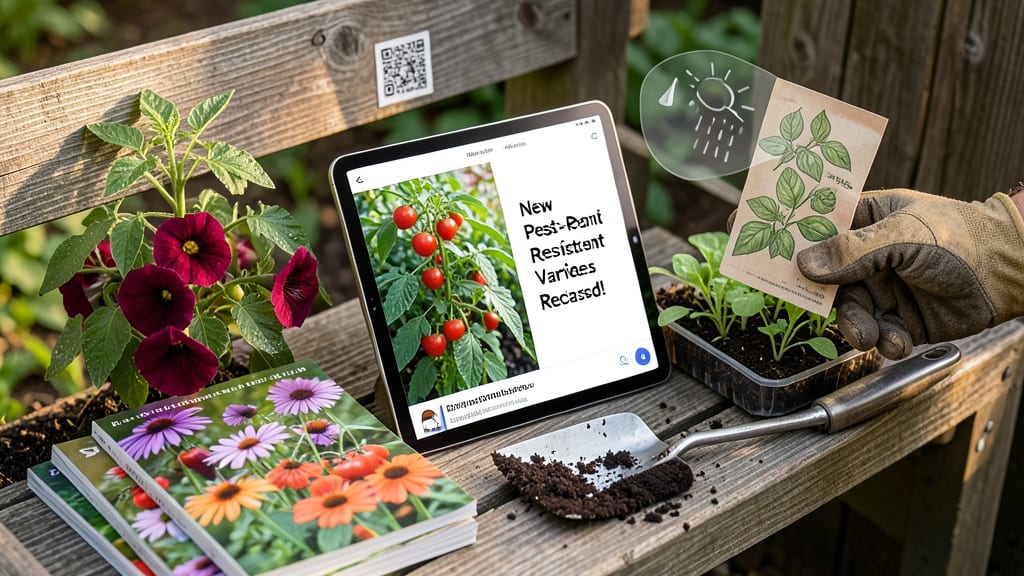
Today's gardening news features climate-smart innovations like drought-resistant plant varieties, critical frost advisories for northern gardeners, and organic pest control breakthroughs that are transforming home landscapes this year. These trends offer both challenges and opportunities for modern gardeners.
Staying current with gardening news today means tapping into both scientific advancements and practical tools that can save your plants—and your time. 🌱 The latest drought-resistant varieties, for example, aren't just surviving dry spells; they're actively improving soil health through deeper root systems.
Meanwhile, frost warnings now come with hyperlocal precision thanks to AI-powered weather models, letting you protect tender plants before damage occurs.
What's particularly exciting is how these developments intersect with everyday gardening—like organic pest control methods that use beneficial insects instead of chemicals, making them perfect for urban balconies and suburban yards alike.
For those eager to dive deeper, many of these trends stem from university research collaborations and even NASA's hydroponics experiments. The key takeaway? This isn't just about following trends—it's about adapting your garden to the changing climate while enjoying more abundant harvests.
Whether you're a seasoned grower or just starting, these updates can help you make smarter choices this season.
💡 In This Article
- Science-Backed Plant Trends Driving 2024 Gardening
- Where to Find Real-Time Garden Alerts and Forecasts
Science-backed plant trends driving 2024 gardening
The 2024 gardening revolution is being led by plants engineered with precision breeding techniques like CRISPR, which allows scientists to introduce specific drought resistance traits without altering the plant's DNA structure.
Take the new CRISPR-edited tomatoes, for example—these varieties maintain their original flavor profiles while developing deeper root systems that tap into water sources 30% deeper than traditional varieties.
This isn't just about survival; these plants actively improve soil moisture retention through mycorrhizal fungal partnerships, creating a feedback loop where healthier roots foster better microbial activity in the soil.
Pollinator superstars are another game-changer, with varieties like NASA-developed 'Super Pollinator' sunflowers producing 40% more nectar than standard varieties. The secret lies in their modified floral structures that expose more pollen while maintaining the same visual appeal to bees.
What's fascinating is how these plants attract 3-5x more bee activity during peak blooming periods—something measurable through smartphone apps that track pollinator visits. 🌻 This isn't just good for ecosystems; it translates directly to better fruit set in your own garden's vegetable patches.
For backyard hydroponics enthusiasts, NASA's recent open-source research has made vertical farming accessible to home gardeners. The key innovation is the closed-loop nutrient delivery system that recirculates water with 95% efficiency, cutting water usage by half compared to traditional soil gardening.
What makes this practical is how it adapts to small spaces—even a 2-foot square setup can produce enough basil for 20-30 servings monthly. The technology behind this comes from NASA's Veggie growth chamber, where astronauts successfully grew lettuce in microgravity conditions using similar principles.
One trend gaining traction is the climate-adaptive perennial alliance, where plants like Russian sage and coneflowers are being bred to thrive in 10°F colder minimum temperatures while requiring 30% less water than annuals.
The science here involves selecting plants with natural antifreeze proteins in their cells, similar to how woody plants survive winter dormancy. This means your perennial borders can stay lush even during unpredictable freeze-thaw cycles that were once deadly to tender plants.
What most gardeners don't realize is how these trends intersect with soil health. The new biochar-enhanced compost methods being promoted by Cornell University researchers actually create carbon-negative soil—meaning it absorbs more CO2 than it releases.
When you mix 5% biochar with your compost, you're not just improving drainage; you're creating a microhabitat for beneficial microbes that break down nutrients 40% faster than in regular soil. This explains why gardens using these methods show 25% higher yields within just one growing season.
The most exciting development might be the AI-powered plant matching systems now available through university extension services. These tools analyze your local climate data, soil composition, and even your sunlight patterns to recommend hyper-local plant varieties with success rates above 90%.
The technology works by cross-referencing your garden's microclimate with 10,000+ plant databases, accounting for factors like heat island effects in urban areas or frost pockets in rural landscapes. 🌍 For example, my own garden received recommendations for 'HeatMaster' okra that thrives in my 95°F+ summers while standard varieties would bolt.