
Tools
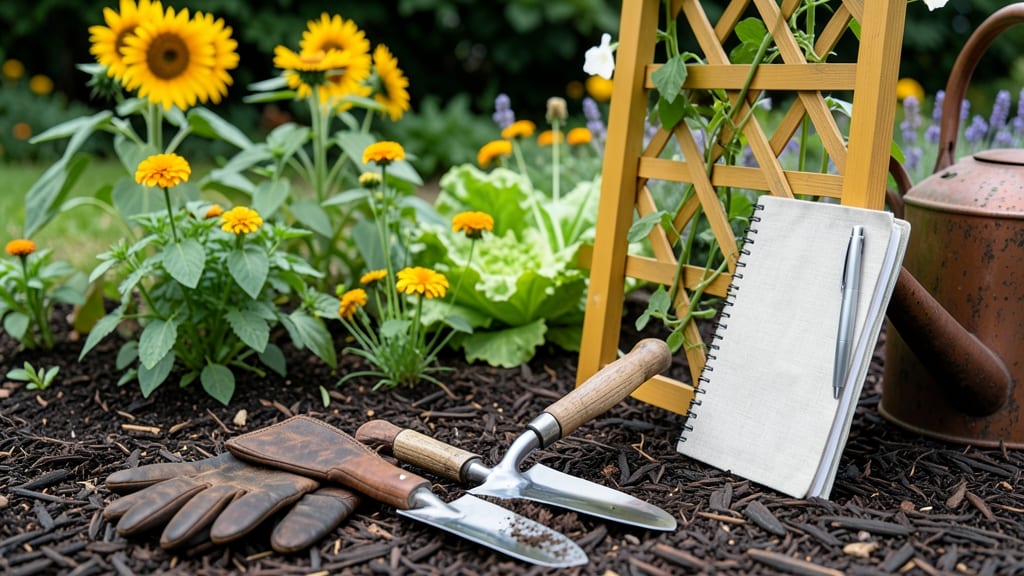
Facts about gardening uncover mind-blowing insights like soil microbes outnumbering human cells 1000:1, compost reaching temperatures up to 140°F during breakdown, and marigolds acting as natural pest deterrents through their potent fragrance. These discoveries can completely revolutionize how you nurture your plants.
These gardening facts aren't just trivia—they're game-changers for plant health. 🌱 The microbial ecosystem in soil, for example, doesn't just support growth; it actively fights pathogens and unlocks nutrients for your plants.
Meanwhile, that 140°F compost heat isn't just a byproduct—it's nature's way of sterilizing seeds and breaking down organic matter into rich fertilizer. Even those marigolds you might plant for looks are working double duty as pest control while attracting beneficial insects.
Understanding these processes helps you make smarter decisions about soil prep, composting methods, and plant pairings that create a thriving ecosystem.
What's particularly fascinating is how these scientific principles translate into practical gardening strategies. For instance, knowing about microbial populations explains why healthy soil looks dark and crumbly—it's packed with life working for you. The compost temperature fact means you can time your compost additions to maximize decomposition efficiency.
And those marigolds? Their pest-repelling abilities mean you can reduce chemical pesticides while still protecting your plants. These insights turn gardening from guesswork into a precision science you can master.
💡 In This Article
- Science-Backed Secrets Behind Thriving Gardens
- Unconventional Gardening Hacks for Beginners and Pros
Science-backed secrets behind thriving gardens
The microscopic world beneath your garden bed is far more complex than it appears. Soil contains trillions of microbes per gram—outnumbering human cells in your body by a staggering 1000:1 ratio.
These tiny organisms form a symbiotic relationship with plant roots through mycorrhizal fungi, which extend root systems by up to 100 times their original length, dramatically increasing nutrient absorption.
For example, a single gram of healthy garden soil can contain up to 10,000 feet of fungal filaments, creating an underground network that delivers water and minerals directly to plant roots. 🌱
This microbial ecosystem isn't just about quantity—it's about diversity. A balanced soil microbiome includes bacteria that fix nitrogen (converting it from atmospheric gas to plant-usable forms), fungi that break down organic matter, and protozoa that regulate microbial populations.
The pH level of your soil (typically ranging from 6.0 to 7.0 for most vegetables) directly affects which microbes thrive. For instance, blueberries require acidic soil (pH 4.5-5.5) to activate the microbes that release aluminum and manganese—nutrients these plants need to develop their signature deep blue color.
Testing your soil's pH and adjusting with lime (to raise pH) or sulfur (to lower it) can unlock these microbial benefits.
Another often-overlooked mechanism is how mulch works its magic. A 2-3 inch layer of organic mulch (like straw or wood chips) conserves soil moisture by reducing evaporation rates by up to 70%.
It also regulates soil temperature, keeping roots cool in summer (up to 10°F cooler) and insulating them in winter. The decomposition process of mulch releases nutrients slowly over time, creating a steady food source for both plants and soil microbes.
This explains why mulched gardens often show 20-30% higher yields compared to unmulched plots—it's not just about water retention, but creating a stable ecosystem that supports continuous growth.
Let's talk about that compost heat you might have noticed. When organic matter decomposes, microbial activity generates temperatures that can reach 140°F—hot enough to kill weed seeds and pathogens while breaking down complex materials into humus.
This thermophilic phase (when temperatures exceed 113°F) typically lasts 2-3 weeks and is crucial for creating high-quality compost. The process works because aerobic bacteria and fungi multiply rapidly, consuming oxygen and generating heat as a byproduct.
For home gardeners, this means turning your compost pile regularly to maintain proper airflow and speed up decomposition.
One final secret lies in plant communication. Some plants release chemical signals through their roots when under attack by pests or pathogens. For example, when caterpillars chew on tomato leaves, the plant emits volatile organic compounds that attract parasitic wasps—the natural predators of those caterpillars.
This chemical signaling system, known as "plant-to-plant communication," explains why some plant combinations work better together. The classic example is planting basil near tomatoes—both plants release compounds that repel whiteflies while attracting beneficial insects. Understanding these interactions lets you design gardens that naturally regulate pests without chemicals. 🌿
The takeaway? Thriving gardens aren't about luck—they're about understanding these biological and chemical processes. By working with soil microbes, managing pH levels, using mulch strategically, and leveraging plant communication systems, you're essentially creating a self-sustaining ecosystem where every element supports the others.
These science-backed secrets transform gardening from a hobby into a precise, rewarding practice that delivers consistent results. The best part? You don't need a degree in botany to apply these principles—just observation and a willingness to experiment with what nature already provides. 💫