
Container Gardens
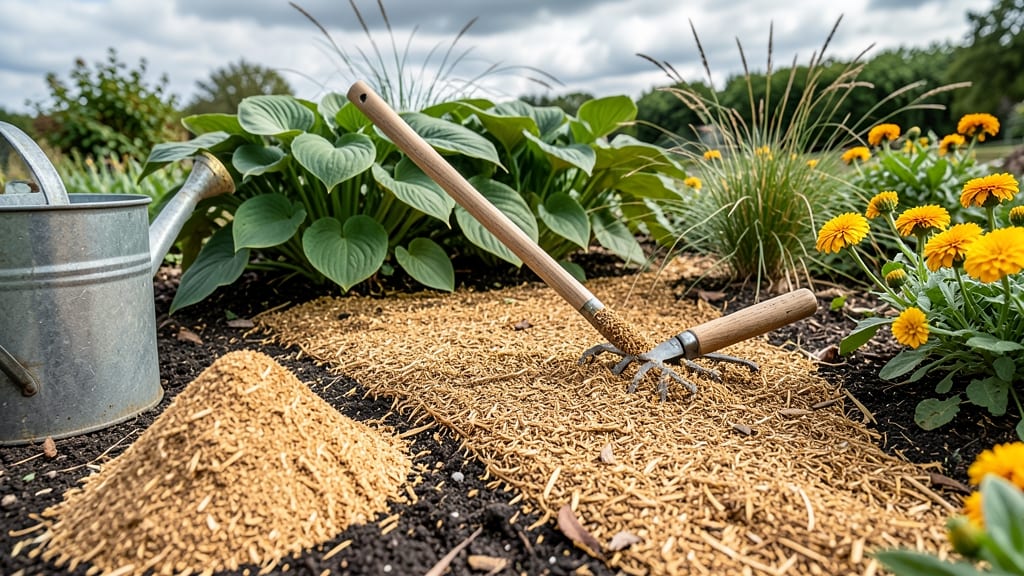
Using sawdust in the garden improves soil aeration and moisture retention while adding organic matter, but it must be aged or composted first to prevent nitrogen depletion and fungal growth. Apply sparingly as a mulch or mix into soil for best results.
Sawdust works like a slow-release soil amendment because it breaks down gradually, feeding beneficial microbes and improving soil structure over time. 🌱 The key is using only untreated, aged wood—fresh sawdust can steal nitrogen from your plants as it decomposes, creating competition for nutrients.
I've found that mixing it with compost or manure helps balance this effect while enhancing moisture control in sandy soils or container gardens.
For best results, limit applications to 1-2 inches per season and avoid using it near nitrogen-loving plants like tomatoes or peppers. Sawdust's carbon-rich nature makes it excellent for acidic-loving plants such as blueberries or azaleas, but always test your soil first to avoid over-acidifying.
💡 In This Article
- How Sawdust Affects Soil Chemistry and Plant Growth
- Best Practices for Applying Sawdust in Garden Beds
How sawdust affects soil chemistry and plant growth
Sawdust acts as a carbon-rich soil amendment that transforms your garden over time through microbial activity. When added to soil, it provides a slow-release source of organic matter that feeds beneficial fungi and bacteria.
These microbes break down the cellulose and lignin in wood into simpler compounds, creating a network of mycelium that improves soil structure and water retention. The process releases humic acids, which enhance nutrient availability for plants.
This microbial activity also creates tiny air pockets, increasing soil aeration—especially valuable in dense or compacted soils where roots struggle to breathe.
The carbon-to-nitrogen (C:N) ratio of sawdust is typically around 400:1, which is far higher than most plants need. 🌱 When fresh sawdust decomposes, it consumes nitrogen from the soil to support microbial growth, potentially starving your plants of this essential nutrient.
This is why aged or composted sawdust is crucial—it has already undergone partial decomposition, reducing the C:N ratio to a more balanced 30:1 or lower.
For example, hardwood sawdust (like oak) breaks down more slowly than softwood (like pine), so it's best suited for long-term soil improvement rather than immediate plant feeding.
Sawdust also influences soil pH depending on the wood type. Softwoods like pine and cedar are naturally acidic (pH 3.5-5.5), making them ideal for acid-loving plants such as blueberries, rhododendrons, or azaleas. Hardwoods like oak or maple are more neutral (pH 6.5-7.5), offering a gentler pH adjustment.
However, excessive amounts can lower soil pH over time, so always test your soil before applying. The porous nature of sawdust also helps regulate moisture—it absorbs water like a sponge and releases it slowly, reducing evaporation and preventing soil crusting.
One often-overlooked benefit is sawdust's ability to suppress weeds. When used as mulch, it blocks sunlight from reaching weed seeds while maintaining soil moisture. The coarse texture also creates a physical barrier that discourages weed germination.
However, this benefit comes with a trade-off: sawdust can harbor fungal spores if not properly aged. Fresh sawdust may contain mold or pathogens from untreated wood, so always use only kiln-dried or heat-treated sawdust from reputable sources.
For safety, mix sawdust with compost or manure to create a balanced environment that supports beneficial microbes while minimizing risks.
Consider these key factors when evaluating sawdust for your garden:
- Wood type: Hardwoods decompose slower but provide more balanced nutrients; softwoods add acidity but break down faster
- Aging process: Fresh sawdust should compost for at least 3-6 months before use; aged sawdust integrates more smoothly into soil
- Application method: Mulching works best for moisture control; mixing into soil improves long-term structure
- Plant compatibility: Acid-loving plants thrive with softwood; most vegetables prefer hardwood or composted blends
The science behind sawdust's benefits lies in its ability to create a microhabitat for soil organisms. These tiny workers break down complex organic matter into plant-available nutrients while improving soil aggregation. The result is a healthier root zone with better water infiltration and gas exchange.
For container gardens or sandy soils where moisture retention is critical, sawdust can be a game-changer—just remember that patience is key. The full benefits unfold over months as the wood decomposes and integrates with your soil ecosystem. 🌿