
Light Requirements
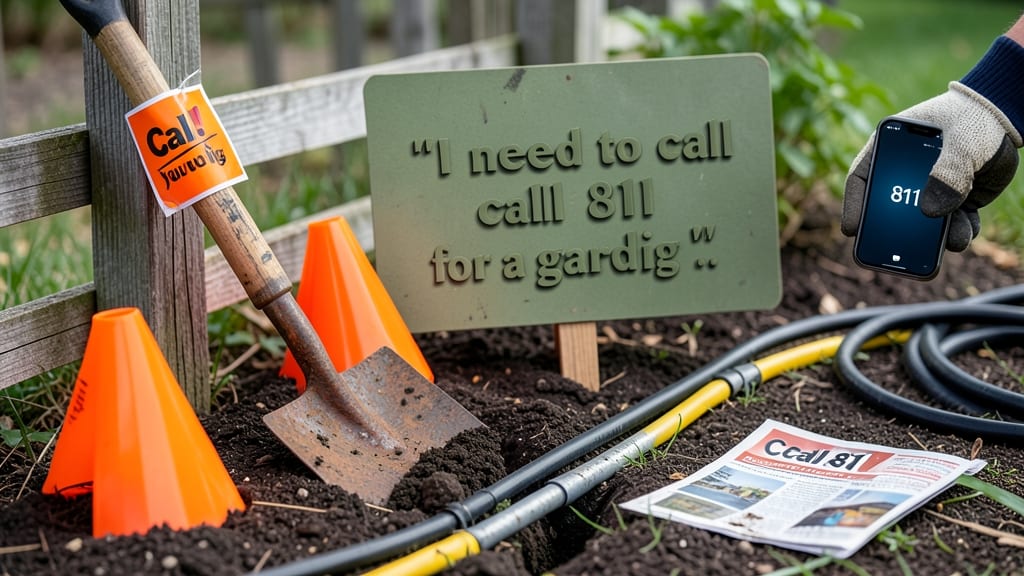
Yes, you need to call 811 before digging in a garden to locate underground utility lines, as striking gas, electric, or water pipes can cause serious injury or property damage. This free service is mandatory in most states before any digging project, including gardening, landscaping, or planting trees.
Calling 811 before any digging—even for gardening—is a critical safety step that prevents accidents involving buried utilities. 🔥 The service coordinates with local utility companies to mark underground lines, which could include gas, electricity, water, or telecommunications cables.
Even shallow digging for plants or installing a small garden bed can risk hitting these lines, so it's always better to verify first rather than assume your project is safe.
Most states require this call at least 48 to 72 hours before digging, though some areas allow faster responses for emergencies. The process is free and takes just a few minutes—simply visit Call811.com or dial 811 to request a locate.
Once marked, you can safely proceed with your garden plans while avoiding hidden hazards.
💡 In This Article
- How 811 Protects Your Garden from Underground Hazards
- When and How to Call 811 for Gardening Projects
How 811 protects your garden from underground hazards
When you call 811, you're triggering a coordinated effort between you and utility companies that involves high-tech equipment and trained professionals. Within 2-3 business days, specialized crews use electromagnetic locators and vacuum excavation tools to pinpoint buried lines.
These tools detect even shallow utilities—some gas lines sit just 12-18 inches below ground, while electrical cables can be as close as 6-12 inches in residential areas. 🔥 The markings they leave (often spray paint or flags) show exactly where to dig safely, preventing accidental strikes that could cause explosions, electrocutions, or water main ruptures.
The risks aren't just theoretical—statistics show that 1 in 100 digging projects hits an underground utility without proper marking.
For gardens, the dangers include striking plastic gas lines (which can leak odorless gas), aluminum electrical conduits (conducting electricity even when not energized), or cast-iron water mains> (prone to sudden bursts). Even a small trowel strike can create a 3-inch-deep puncture> capable of triggering these hazards.
The 811 system> ensures these utilities are visibly marked with fluorescent paint or flags that remain for 7-14 days>, giving you a clear safety boundary.
What makes this system particularly effective is its adaptability to different garden scenarios. For example, if you're installing an in-ground sprinkler system>, the lines might be buried 12-18 inches deep>, requiring precise marking.
Similarly, planting trees with deep roots (like willows or fruit trees>) could disturb lines buried 24+ inches> below. The 811 database> includes records for these deeper utilities, ensuring comprehensive protection.
Without this service, you might miss critical lines that aren't visible or obvious, turning a simple garden project into a hazardous situation.
The science behind utility line risks involves understanding how different materials react to physical disruption. For instance, polyethylene gas lines> are lightweight but can crack under 50 pounds of pressure> from a shovel, while copper electrical cables> can short-circuit if exposed to moisture.
Water mains, made of ductile iron or PVC>, may rupture under even light impacts>, flooding your garden and causing water service disruptions for neighbors. The 811 system> mitigates these risks by ensuring all utilities are accounted for, regardless of depth or material.
Consider this real-world example: In 2022, a homeowner in Texas> accidentally struck a natural gas line while digging a 2-foot-deep hole> for a garden bed. The resulting explosion injured three people and caused $25,000 in damages>.
This incident could have been prevented by a simple 811 call>, which would have marked the gas line just 18 inches> from the planned digging area. The lesson here is that no garden project—regardless of size—is too small to risk skipping this critical step.
Even seemingly harmless tasks like aerating your lawn> or installing a raised garden bed> can trigger the need for 811>. Aeration machines often dig to 3-4 inches>, while raised beds might require digging 12+ inches> deep for proper drainage.
The 811 system> ensures these activities don't become safety hazards, giving you peace of mind while working in your garden. The process is designed to be fast, free, and foolproof>, making it an essential part of any digging project.