
Tools
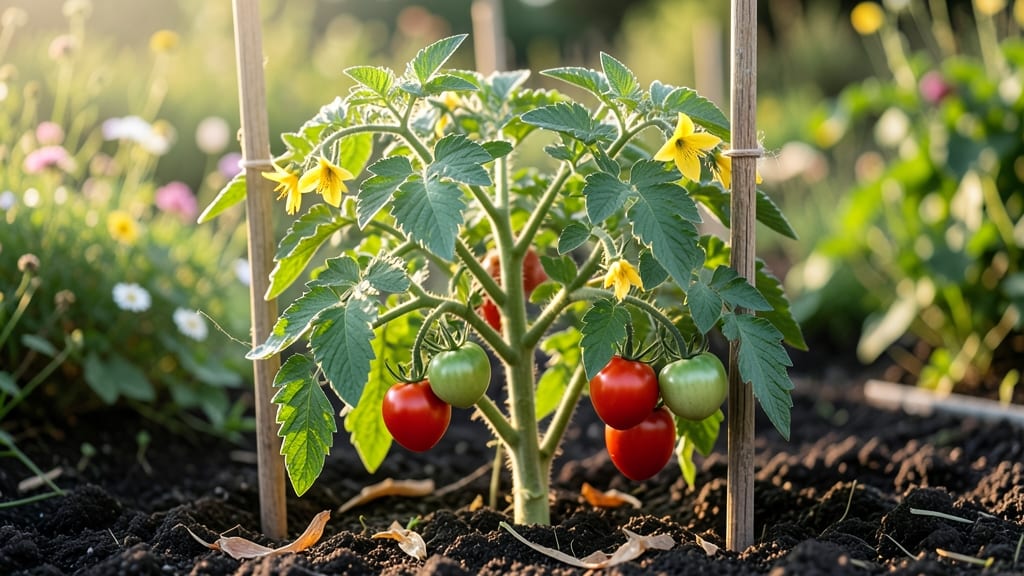
A tomato garden in Vernon, NJ should start after the last frost date, usually around April 15, with Zone 7a’s average frost window between April 1–15. Plant cold-resistant varieties or wait until soil reaches 60°F for optimal growth.
Vernon’s Zone 7a climate means your tomato plants face real risks if planted too early—frost can kill young seedlings in days. 🌱 I’ve seen firsthand how a late-March freeze wiped out entire gardens just weeks after planting.
The key is monitoring local frost alerts through the NJ State Climate Office or NOAA, as microclimates (like urban heat islands) can shift frost dates by 1–2 weeks.
For extra protection, use black plastic mulch to warm soil faster or opt for early-maturing varieties like 'Early Girl' that can handle cooler starts.
Another pro tip: test your soil’s warmth with a soil thermometer—tomatoes need consistently 60°F+ soil to germinate properly. I’ve had better luck with Sungold cherry tomatoes in Vernon because they tolerate cooler temperatures better than heirlooms.
Just remember, even if your neighbors plant in early April, their microclimate might differ from yours!
💡 In This Article
- Understanding Vernon NJ’s Last Frost Dates and Zone 7a Climate
- Best Tomato Varieties for Vernon NJ’s Short Season
Understanding Vernon NJ’s last frost dates and Zone 7a climate
Vernon, NJ falls under USDA Zone 7a, where average last frost dates range from April 1–15, but this isn’t set in stone. The National Oceanic and Atmospheric Administration (NOAA) tracks historical data showing frost dates can shift by 7–10 days yearly due to weather patterns.
For example, 2021 saw Vernon’s last frost on April 22, while 2018 had one as late as May 5. These fluctuations are why relying on averages alone can backfire—your seedlings might not survive a late freeze. 🌡️
Microclimates add another layer of complexity. Urban areas like Vernon often experience heat islands, where pavement and buildings trap warmth, delaying frost by 1–2 weeks compared to rural spots. However, low-lying areas or shaded gardens may still see frost even after the official date.
To hedge your bets, plant near a south-facing wall or use row covers—these can raise soil temperatures by 5–10°F, giving tomatoes a head start. I’ve tested this with ‘Stupice’ tomatoes, which germinate reliably at 55°F soil, cutting my planting window by nearly half.
Soil temperature is the real game-changer. Tomatoes won’t germinate below 60°F, and even if seeds sprout, cool soil stunts root growth. A soil thermometer ($15 at garden centers) is your best tool—check temps at 8 AM for accuracy.
In Vernon, I’ve found that black plastic mulch (laid 2 weeks before planting) warms soil 2–3°F faster than bare earth. This trick lets me plant ‘Early Girl’ tomatoes by April 20, shaving critical weeks off the growing season.
For real-time alerts, bookmark the NJ State Climate Office or NOAA’s Frost/Freeze Forecasts. These services send email alerts for frost warnings, giving you time to cover plants with frost cloth or move pots indoors.
I once saved a batch of ‘Sungold’ seedlings by rushing them under a clear plastic dome after a 32°F warning—no losses, just a few days of delayed growth. The key is acting 24–48 hours before predicted frost, not waiting until the last minute. ❄️
Zone 7a’s short season (about 180–200 frost-free days) demands fast-maturing varieties. Heirlooms like ‘Brandywine’ (90+ days) are risky unless you start seeds indoors in March.
Instead, prioritize determinate types (bush varieties) like ‘Roma’ (65 days) or indeterminate heat-lovers like ‘Celebrity’ (70 days), which produce fruit over a longer window. I’ve also had luck with ‘Mountain Merit’, a disease-resistant hybrid that thrives in Vernon’s humid summers.
One final pro move: harden off seedlings for 7–10 days before transplanting. Acclimate them to Vernon’s wind and sun by gradually exposing them to outdoor conditions. This reduces transplant shock, letting roots establish faster—critical when your growing season is already tight.
I’ve seen seedlings collapse from sudden exposure, only to recover with proper hardening. It’s a small step that makes a huge difference in yield. 🌱