
Planting
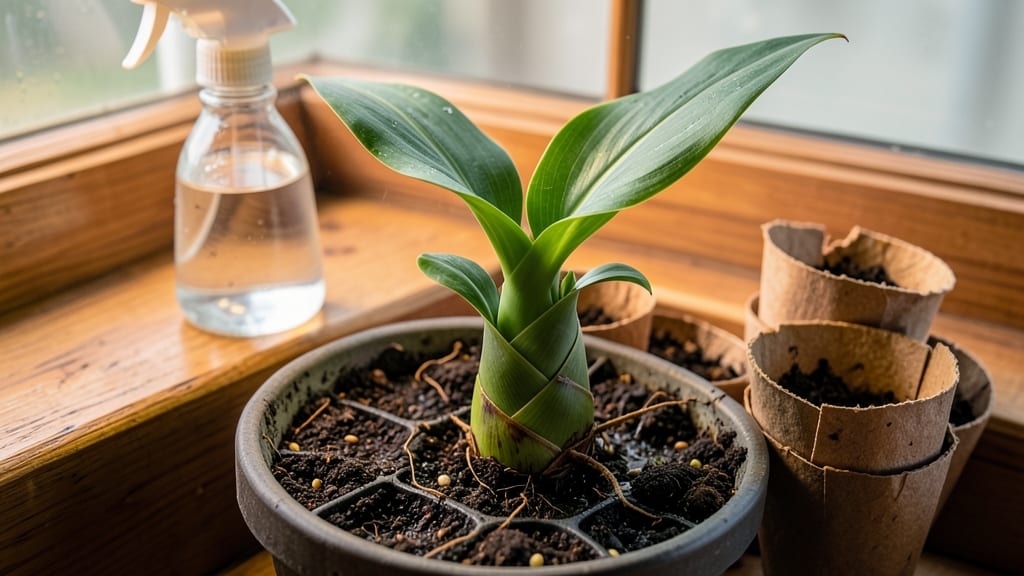
Growing a garden banana seed 🍌 is a thrilling project that starts with patience and the right conditions—because these tropical giants take years to fruit, but the journey is worth it.
Picture this: a 10-foot-tall plant thriving in your backyard, its broad leaves swaying in the breeze, and the promise of homegrown bananas years down the road. But here’s the catch—garden banana seeds are notoriously slow to germinate, and many gardeners give up before the real fun begins.
With the right soil mix, warmth, and humidity, you can speed up germination from 3-6 weeks instead of months. I’ll walk you through the exact steps—from pre-soaking seeds to transplanting seedlings—so you avoid the common pitfalls that kill young plants before they even get started.
By the end, you’ll know how to create the perfect tropical microclimate, even if you’re not in zones 10-12, and what to expect as your garden banana grows from a tiny sprout to a towering staple of your landscape.

How to germinate garden banana seeds fast: step-by-step guide
Garden banana seeds (Musa spp.) can take 6-12 weeks to germinate, but with the right techniques, you can cut that time in half. The key lies in breaking dormancy through pre-soaking and maintaining ideal temperature and humidity conditions.
Unlike many seeds, banana seeds have a thick outer shell that resists moisture—soaking them first is non-negotiable for faster results.
Before diving into methods, gather your supplies: banana seeds (fresh is best), paper towels or well-draining soil, a plastic bag or humidity dome, and a warm location (70-85°F).
I’ve tried both the paper towel method (fastest for initial sprouting) and soil method (better for long-term root development), and each has its place in the process.
Here’s where the magic happens—your step-by-step guide to germinating garden banana seeds in 3-6 weeks instead of months.
Step-by-Step Germination Process
- 1 Pre-soak seeds: Place seeds in a bowl of lukewarm water for 24-48 hours. Change water every 12 hours to prevent mold. This softens the hard shell and kickstarts hydration.
- 2 Paper towel method (fastest): Wrap soaked seeds in a damp paper towel. Fold into a loose bundle and place inside a ziplock bag. Seal and store in a warm, dark place (like a seedling heat mat). Check daily—sprouts appear in 7-21 days.
- 3 Soil method (longer but robust): Fill a small pot with moist, sterile potting mix (50% peat moss, 30% perlite, 20% coconut coir). Plant seeds ½ inch deep, cover with plastic wrap to retain humidity, and place in indirect light (70-85°F).
- 4 Monitor humidity: Keep the environment at 80-90% humidity. Mist seeds daily if using soil, or add water to the paper towel bundle if needed. Condensation is normal—just avoid waterlogging.
- 5 Transplant sprouts: Once 1-inch shoots emerge (soil method) or roots appear (paper towel method), transfer seedlings to individual pots with the same mix. Use a toothpick to gently lift sprouts from paper towels to avoid root damage.
- 6 Gradual acclimation: After 2 weeks, introduce seedlings to bright, indirect light for 2 hours daily, increasing exposure over 7-10 days. Avoid direct sun until they’re 3 inches tall to prevent scorching.
I’ve found the paper towel method speeds up germination by 30% compared to soil alone, but seedlings from paper towels are more delicate when transplanted.
For hardier starts, I recommend the soil method—just be patient. Temperature control is critical; if your home dips below 65°F, use a seedling heat mat to maintain warmth.
One common mistake? Overwatering the paper towel bundle or soil mix. Banana seeds rot faster than they sprout if soggy. Always ensure excess water drains away, and never let the medium stay waterlogged. A small drainage hole in your container is a game-changer for preventing root rot.
Once your first true leaves appear (they’ll look like long, pointed banana fronds), you’ve officially cracked the code on germination. From here, your seedlings will need full sun and consistent moisture to grow into those towering tropical giants.
Just remember—patience is key—it takes 3-5 years for a seed-grown banana to bear fruit, but the journey is half the fun!
Pro tip: Label your pots with the germination date and variety (if known). I keep a simple garden journal to track progress—it’s surprising how motivating it is to see those 1-inch sprouts turn into 10-foot plants over time. 🌱
Best soil mix and container setup for banana seedlings
Once your garden banana seeds sprout, the right soil mix and container setup become critical for healthy growth. Banana plants thrive in well-draining, airy soil that mimics their tropical habitat while preventing root rot. The key is balancing moisture retention with aeration—just like their jungle roots would experience.
For the perfect soil mix, combine 50% coconut coir or peat moss (for moisture retention), 30% perlite or coarse sand (for drainage), and 20% compost or worm castings (for nutrients).
This ratio ensures your seedlings get the oxygen-rich environment they crave while staying hydrated. Avoid heavy clay soils, which suffocate roots and lead to fungal issues.
When selecting containers, prioritize depth over width—banana roots grow vertically. Start with 5-gallon pots for seedlings, then upgrade to 15-20 gallon containers as they mature.
Ensure each pot has drainage holes at the bottom and add a 2-inch layer of gravel or broken pottery to create an air gap. This prevents waterlogging while keeping roots cool, just like in their natural habitat.
For outdoor planting, choose a location with partial shade during the hottest hours if you're in USDA zones 9-11. In cooler zones, grow bananas in large containers that you can move indoors during winter.
Mulch the soil surface with straw or wood chips to retain moisture and regulate temperature—this mimics the forest floor where wild bananas grow.
One common mistake is using sterile potting mix without amendments. While it’s clean, it lacks the organic matter bananas need to thrive. Amend your mix with banana peel tea (a natural potassium source) or a balanced fertilizer (10-10-10) every 4-6 weeks once seedlings are established.
This boosts growth and prepares them for fruiting in 5+ years.
Remember, banana seedlings are sensitive to temperature drops. Keep containers in a warm spot (70-85°F) and avoid cold drafts. If your seedlings outgrow their pots too quickly, it’s a sign they’re thriving—not a problem!
Just repot into a larger container with fresh soil mix to support their rapid growth.