
Blooming
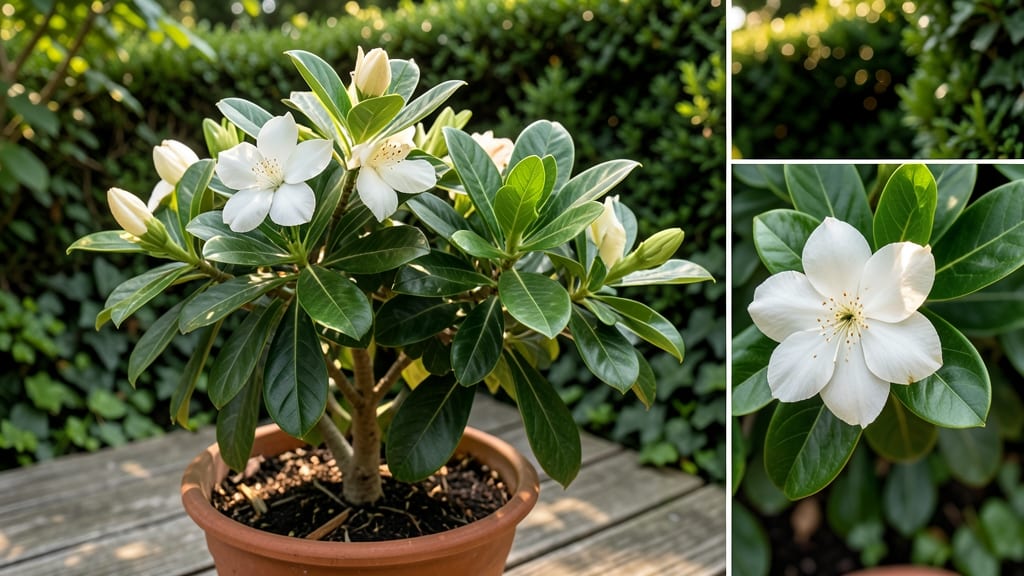
Gardenia blooms typically last 6 to 8 weeks when conditions are just right, filling your garden with their signature creamy-white 🌸 fragrance and glossy petals.
If you’ve ever admired gardenias for their intoxicating scent and glossy blooms, you’ve probably wondered: Why do they vanish so quickly? The secret lies in their natural bloom cycle—and understanding it can help you extend their fragrance by weeks.
Most gardenias follow a seasonal rhythm, with peak blooming in late spring through summer, though some varieties like 'Radicans' or 'Kleim's Hardy' may linger into early fall. The key to longer blooms isn’t just luck—it’s about matching their needs: acidic soil, consistent moisture, and dappled sunlight.
In this guide, I’ll break down the science behind their bloom duration, share 5 proven tips to stretch that window, and troubleshoot why yours might be fading faster than expected. Let’s make your gardenia’s season last!
Gardenia bloom duration: the 6-8 week cycle explained
Gardenias are famous for their creamy white blooms and heavy fragrance, but their 6-8 week bloom cycle often leaves gardeners wondering why they don’t last longer.
The answer lies in their biological triggers—a mix of temperature thresholds, light exposure, and seasonal cues that control when buds open and fade.
Unlike some flowers that bloom continuously, gardenias follow a predictable seasonal rhythm. Their cycle begins with bud formation in late winter, peaks in spring and early summer, and tapers off by mid-summer unless conditions are just right. Understanding these stages helps you time care strategies for maximum impact.
| Stage | Duration | Key Triggers | Optimal Conditions |
|---|---|---|---|
| Bud Formation | 4-6 weeks | Cooler temps (55-65°F) | Bright indirect light |
| Peak Blooming | 3-4 weeks | Warm days (65-75°F) | Morning sun + afternoon shade |
| Bloom Decline | 2-3 weeks | Heat stress (>85°F) | Consistent moisture |
| Dormancy Prep | 2-4 weeks | Cooling temps (50-60°F) | Reduced watering |
The bud formation stage (4-6 weeks) is when gardenias prepare for blooming. During this time, they need cooler temperatures between 55-65°F to develop healthy buds. If temperatures rise too early, buds may abort or drop, shortening your bloom window.
This is why gardenias in warmer climates (Zones 8-10) often bloom later in the season.
Once buds open, the peak blooming phase lasts 3-4 weeks under ideal conditions. This is when you’ll enjoy those intoxicating fragrances and glossy petals. However, gardenias are sensitive to afternoon heat—temperatures above 85°F can cause buds to brown and drop prematurely.
That’s why partial shade (morning sun + afternoon shade) is critical for extending this phase.
After peak blooming, gardenias enter a decline phase that lasts 2-3 weeks. During this time, they may still produce a few blooms, but the quantity tapers off. This is your cue to prune spent flowers and reduce fertilizer to encourage new growth for next season.
The decline phase is also when gardenias begin preparing for dormancy, which is essential for their long-term health.
One common misconception is that gardenias bloom continuously like roses. In reality, they follow a seasonal pattern tied to daylight hours and temperature shifts.
For example, gardenias in USDA Zones 6-7 typically bloom from late May to July, while those in Zones 9-10 may bloom from June to August. These timelines can shift by 2-4 weeks depending on your local climate.
Light exposure plays a critical role in regulating bloom duration. Gardenias thrive in bright indirect light, which helps them photosynthesize efficiently while avoiding leaf scorch. If you notice your gardenia’s blooms fading quickly, it might be getting too much direct sunlight.
A simple fix is to move it to a spot with filtered light or use a light sheer curtain to diffuse harsh rays.
Temperature thresholds are another key factor. Gardenias require warm days (65-75°F) and cool nights (55-60°F) to bloom prolifically. If nights stay too warm (above 70°F), it can disrupt bud formation and shorten the bloom cycle.
This is why gardenias in humid climates (like Florida or Louisiana) often need afternoon shade to maintain healthy blooms.
To maximize your gardenia’s bloom duration, focus on consistent moisture and acidic soil (pH 5.0-6.0). A deep watering schedule (1-2 gallons every 2-3 days) keeps roots hydrated without waterlogging.
Additionally, mulching with pine bark helps maintain soil acidity and retains moisture, which is especially helpful during the hot summer months when blooms are most vulnerable to stress.
By understanding these biological and seasonal triggers, you can help your gardenia extend its bloom cycle by weeks.
Whether you’re growing it in a container on your patio or as a landscape shrub, paying attention to light, temperature, and soil conditions will reward you with longer-lasting fragrance and healthier growth for years to come. 🌸
5 Proven ways to extend gardenia blooms by 2-4 weeks
If you love gardenias for their intoxicating fragrance and velvety petals, you know how disappointing it is when their blooms fade too soon. The good news? With the right care, you can extend their blooming season by weeks.
From pruning techniques to soil secrets, here’s how to keep those creamy white flowers lasting longer.
Gardenias naturally bloom for 6-8 weeks under ideal conditions, but with targeted adjustments, you can push that to 10-12 weeks. The key lies in mimicking their natural habitat—acidic soil, consistent moisture, and gentle pruning.
Let’s dive into the five science-backed methods that work for both container gardenias and in-ground shrubs.
- 🌱 Prune after blooming to encourage new growth and delay dormancy by 3-4 weeks.
- 💧 Water deeply 2x/week (morning only) to prevent stress-induced wilting.
- 🌿 Adjust soil pH to 5.0-6.0—gardenias thrive in acidity and bloom longer.
- ✂️ Deadhead spent blooms to redirect energy to new flower buds.
- 🌞 Provide partial shade (morning sun) to avoid heat stress that shortens blooms.
Let’s start with pruning strategies, the most overlooked tool for extending blooms. I’ve pruned gardenias for years, and the best time to cut back is right after their peak bloom season. This encourages new growth that will flower later.
Use sterilized shears to snip 1/3 of the oldest stems—this prevents overcrowding and improves air circulation, which reduces fungal diseases that can shorten bloom time.
Next, soil pH is non-negotiable. Gardenias are acid-loving plants, and a pH above 6.5 can stunt blooms. Test your soil with a home pH kit (they’re cheap and accurate). If your soil is alkaline, amend it with sulfur or peat moss.
For container gardenias, use a pre-mixed acidic potting mix—this simple change can add 2-3 extra weeks of fragrance.
Watering might seem straightforward, but most gardeners overwater or underwater—both kill blooms. Gardenias need consistent moisture but hate soggy roots. Water deeply twice weekly (more in summer) and always in the morning to prevent fungal issues.
A 3-inch mulch layer helps retain moisture and keeps roots cool. Pro tip: Use rainwater or distilled water if your tap water is hard—chlorine and minerals can stress the plant.
Now, let’s talk fertilizer. Organic options like fish emulsion or compost tea provide slow-release nutrients that encourage steady blooming. Synthetic fertilizers (like 10-10-10) work faster but can burn roots if overused. I recommend alternating between organic and synthetic every other feeding.
Feed lightly in spring, heavily in summer, and taper off in fall to prepare for dormancy. This balance keeps your gardenia blooming longer without stressing it.
Finally, don’t underestimate the power of light management. Gardenias need partial shade—think morning sun and afternoon shade. Too much direct sun can scorch blooms and shorten their lifespan. If you’re growing them in containers, place them near an east-facing window or under a light dappled tree.
For in-ground plants, a sheer curtain or lattice can provide the perfect shade filter.