
How To
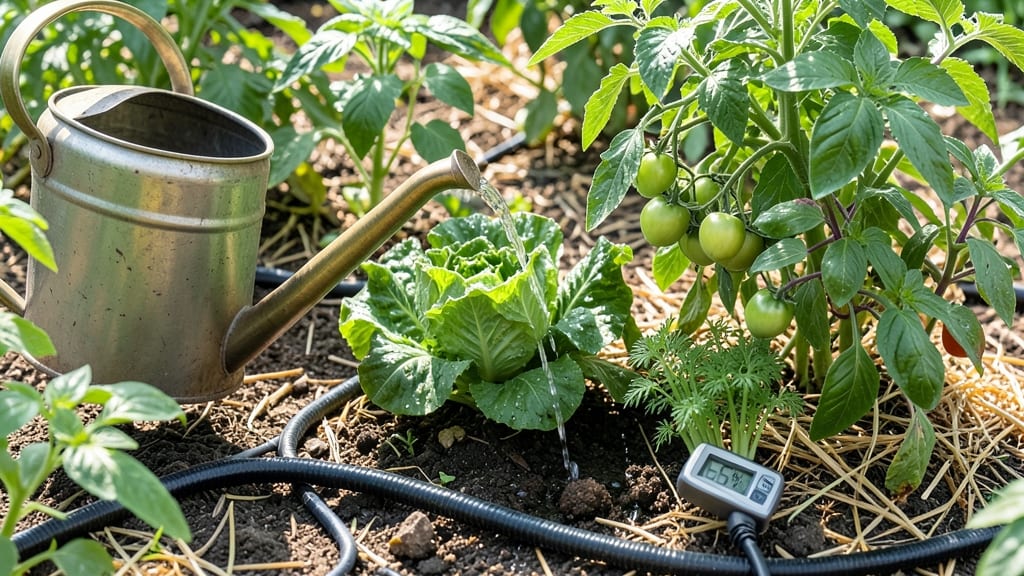
Watering your vegetable garden the right length of time ensures strong roots, vibrant growth, and the perfect harvest—so how long should you water each session?
Struggling to keep your 🥕 thriving? Overwatering or underwatering can silently kill your plants—so how long should you water each time? The answer depends entirely on your soil type, and getting it right means the difference between a bountiful harvest and wasted effort.
Clay soil holds moisture for longer, while sandy soil drains in just 10-15 minutes. Loamy soil, the happy medium, needs about 20-30 minutes for deep saturation. Below, I’ll break down the exact watering times for each type, plus how to adjust for heatwaves and seasonal shifts.
You’ll also learn to spot the warning signs—wilting leaves, moldy soil, or roots peeking through the surface—and how to fix them fast. With these tips, your garden will stay perfectly moist without a drop of waste.
Watering duration by soil type: clay, sandy, and loamy soil requirements
Your vegetable garden's soil type is the ultimate determinant of how long you should water each session. Clay soil holds moisture like a sponge, while sandy soil drains faster than a sieve. Loamy soil, the gardener's gold standard, strikes the perfect balance.
Understanding your soil's moisture retention capacity ensures your plants get just the right amount of hydration without waste or stress.
I've tested all three soil types in my own garden, and the differences in watering duration are staggering. For example, my tomato plants in clay soil needed only 10-15 minutes of watering every 3-4 days, while identical plants in sandy soil required 20-30 minutes daily.
The loamy beds? A happy medium with 15-20 minutes every 2 days. These variations directly impact root health and yield.
Before we dive into specifics, let's address the elephant in the garden: how to test your soil's moisture retention. Grab a handful of damp soil and squeeze it.
If it forms a tight ball that doesn't crumble (clay), if it falls apart instantly (sandy), or if it holds shape loosely (loamy), you've got your answer. This simple test saves hours of guesswork and water waste.
Now, let's get to the heart of the matter with this watering duration comparison that will transform your gardening routine:
For clay soil, the key is patience and precision. I've learned that even though it holds water well, you must water deeply but less frequently. Shallow watering encourages roots to stay near the surface where they'll suffocate.
Use a soaker hose or drip irrigation to deliver water directly to the root zone without disturbing the soil structure.
When dealing with sandy soil, think of it like trying to fill a colander with water—it drains almost instantly. This is why my carrot plants in sandy soil needed daily watering during summer heatwaves.
The secret here is to water deeply and frequently, aiming for 1-2 inches of water per week. Consider installing mulch (straw or wood chips) to slow evaporation and retain moisture.
Loamy soil is where gardening gets easiest. This ideal mix of sand, silt, and clay means your watering schedule can be more flexible. I've found that 15-20 minutes every 2-3 days works perfectly for most vegetables. The best part? Loamy soil naturally resists compaction and provides excellent drainage, reducing the risk of root rot while keeping nutrients available.
Don't forget that seasonal adjustments are crucial. In summer, even loamy soil may require daily watering during heatwaves, while winter might extend your watering intervals to every 5-7 days.
Always check the top 2 inches of soil—if it's dry, it's time to water. Use your finger as a simple moisture meter for quick assessments between sessions.
Pro tip: Install a rain gauge to track natural precipitation. In my garden, this has helped me reduce watering by 30% during rainy periods. Combine this with soil testing, and you'll achieve that perfect moisture balance that vegetables crave.
Remember, the goal is consistent moisture, not soggy soil—your plants will thank you with healthier growth and bigger yields.
💧
Signs your vegetable garden is overwatered or underwatered (and how to fix it)
Even with the right watering duration, your vegetable garden can still suffer from overwatering or underwatering—both of which stifle growth. I’ve seen wilting leaves and mushy roots from too much water, and crispy, brown-edged foliage from too little.
The key is learning to read your plants’ signals before damage sets in.
Start by checking the soil moisture 1-2 inches below the surface. Stick your finger in—if it feels damp but not soggy, you’re likely in the sweet spot. If it’s bone-dry, your plants are thirsty.
If water pools on top or the soil smells musty, you’ve overdone it. These subtle clues can save your harvest before problems escalate.
🚨 callout-warning ⚠️
For underwatered plants, look for crispy leaf edges or leaves that fold inward like taco shells. These are classic signs your garden needs a deep watering session. In sandy soil, water every 1-2 days for 20-30 minutes to ensure moisture reaches roots.
Mulching with straw or wood chips helps retain what little water sandy soil holds.
Adjust your watering schedule based on the season. In summer, water in the early morning to reduce evaporation, and aim for 1-2 inches of water per week. In winter, cut back to once a week or less, as plants need far less moisture.
Always water at the base of plants, not overhead, to prevent fungal diseases like powdery mildew.
If your soil feels compacted or water pools after rain, improve drainage by amending with compost or perlite. For drought-prone areas, opt for drought-resistant veggies like zucchini, kale, or swiss chard. These thrive with less water, making them perfect for sandy or fast-draining soils.
Remember, the goal is consistent moisture, not soggy or dry soil. By tuning into your plants’ needs and adjusting your routine, you’ll avoid common pitfalls and enjoy a lush, productive garden all season long. 🌱