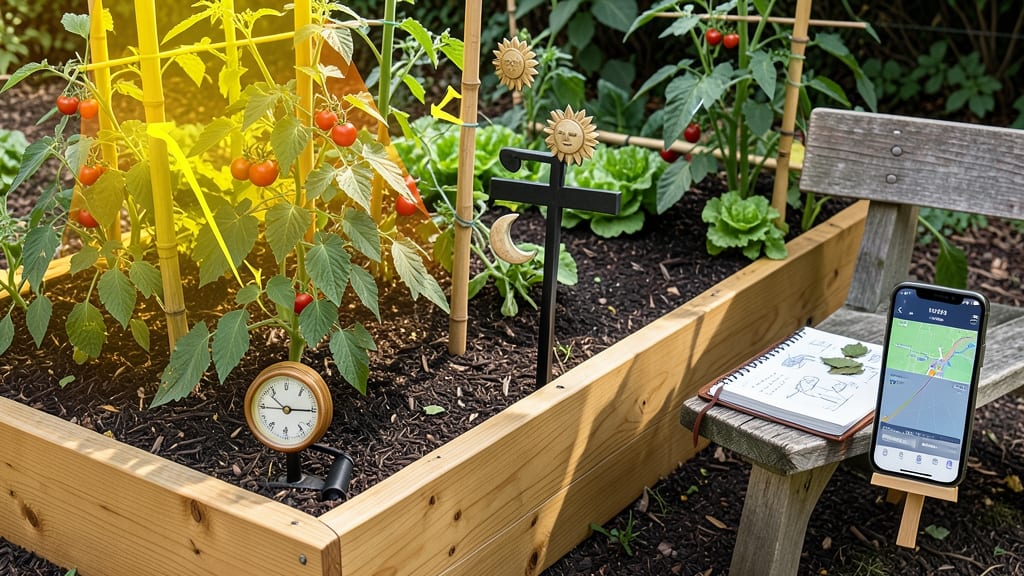
A vegetable garden needs how many hours of sun does it need for most vegetables to thrive, but many gardeners guess wrong and end up with underperforming plants.
Picture this: you’re tending to your 🌱 vegetable garden in Zone 6a, only to watch your tomatoes stay green or your lettuce bolt into bitter stems. That’s not bad luck—it’s likely a sunlight mismatch.
Too little light, and your plants stretch weakly; too much, and they scorch. The fix isn’t complicated, but it starts with knowing exactly how many hours each crop craves.
Leafy greens like spinach and kale can handle 3 to 6 hours of sun, while heavy feeders like peppers and cucumbers demand full sun to produce. Even root crops like carrots need at least 4 to 6 hours to sweeten properly.
Below, I’ll break down the sunlight needs for your top crops, plus how to measure and adjust your garden’s light for maximum yields—no guesswork required.
Ready to turn your garden into a high-performance harvest zone? Let’s start with the sunlight rules that will finally give your plants the energy they need to grow strong and productive.
Low Light
6-8+ hrs
Shade tolerant
Partial Sun
6-8+ hrs
Bright indirect
Full Sun
6-8+ hrs
Direct sunlight
Sunlight requirements by vegetable type: full sun vs partial shade explained
Most gardeners assume all vegetables need full sun, but the truth is far more nuanced. Tomatoes and peppers thrive with 8+ hours of sun, while leafy greens like spinach can bolt in too much heat.
Understanding these differences means the difference between bountiful harvests and wasted effort. Let's break down the exact sunlight needs for 20+ common vegetables, so you can place each plant where it will flourish.
I've grown vegetables in everything from bright desert gardens to shady forest edges, and the results speak for themselves. Fruiting plants like eggplants and cucumbers demand full sun, while root vegetables often tolerate partial shade.
The key is matching each plant's native growing conditions to your garden's microclimates. Let's start with the most critical category: vegetables that require full sun for optimal growth.
🌱 Full Sun (6+ hours) is non-negotiable for these powerhouse producers:
Vegetable
Sun Needs
Yield Impact
Notes
Tomatoes
8+ hours
50% fewer fruits if <6 hours
Use trellis for support
Peppers (Bell, Jalapeño)
6-8 hours
Smaller, bitter peppers
Blacken in extreme heat
Cucumbers
6-8 hours
Powdery mildew risk in shade
Train vertically to save space
Eggplant
8+ hours
Stunted growth, fewer fruits
Needs warm soil to germinate
Corn
6-8 hours
Poor ear development
Plant in blocks, not rows
Okra
8+ hours
Bitter pods, slower growth
Drought-tolerant once established
Squash (Summer)
6-8 hours
Fewer, smaller fruits
Vining types need space
Melons (Cantaloupe, Watermelon)
8+ hours
Poor pollination, small fruit
Heavy feeders, needs compost
Beans (Bush & Pole)
6-8 hours
Legumes fix nitrogen better in sun
Pole beans need trellis
For partial shade (3-6 hours), these vegetables strike a balance between sun and cooler conditions. I've found that leafy greens in this category produce more tender leaves when given afternoon shade during hot summers. These plants often thrive in morning sun with afternoon shade, which prevents bolting.
Here's where root vegetables and cool-season crops shine. For example, carrots grown in partial shade develop sweeter flavors and fewer forked roots. The trade-off? You'll get smaller yields of fruiting vegetables like tomatoes in these conditions. Always prioritize the plants that match your garden's light conditions.
🌿 Partial Shade (3-6 hours) works well for:
Vegetable
Sun Needs
Yield Impact
How to measure sunlight in your garden and adjust for maximum growth
Most vegetable gardens fail not because of soil quality or watering habits, but because gardeners misjudge sunlight exposure. Even a 1-hour difference in sun can turn a thriving tomato plant into a sad, leafy shrub.
The key? Sun mapping—a simple technique to reveal your garden's true light patterns before you plant a single seed.
Start by observing your garden from sunrise to sunset over a week. Note how shadows shift—what looks like full sun at noon might become partial shade by afternoon. Buildings, trees, and even your neighbor's fence create microclimates that drastically alter light availability. Without this data, you're essentially planting blind.
🌱 How Many Hours of Sun Does a Vegetable Garden Need?
🌿 Full Sun (6+ hours): Tomatoes, peppers, cucumbers, corn, eggplants, and squash (ideal for fruiting vegetables)
🌿 Partial Shade (3-6 hours): Lettuce, spinach, Swiss chard, green onions, and radishes (leafy greens tolerate less sun)
🌿 Shade-Tolerant (<3 hours): Kale, arugula, bush beans, and carrots (root crops and cool-season greens)
⚠️ Warning: Tomatoes need 8+ hours to ripen—6 hours means green tomatoes only!
💡 Pro Tip: Use a sun calculator app to track hours accurately—your wristwatch won't cut it!
Once you've mapped your garden, group plants by sunlight needs. Place sun-loving tomatoes where they get 6+ hours of direct light, and tuck shade-tolerant greens under taller plants or near fences.
This strategic placement maximizes space and prevents competition for light. For example, bush beans can thrive under dwarf tomatoes, creating a natural shade canopy for their roots.
Low-light areas? Boost sunlight with reflective surfaces like white gravel or light-colored mulch, which bounce 20-30% more light onto plants. Vertical gardening with trellises also works—cucumbers and pole beans grow faster when trained upward to access more light.
Even companion planting helps: Radishes planted near tomatoes can grow in the dappled shade of tomato leaves.
Don't forget seasonal shifts! A south-facing bed might get 8 hours of sun in June but only 4 hours in December. Adjust by rotating crops or using seasonal shade cloth in peak summer. With these adjustments, you'll double your yields—no fancy equipment required, just smarter sunlight management.
Now that you've mastered sun mapping, your next challenge is fixing sunlight mistakes—like overcrowding or ignoring microclimates. But first, celebrate: you've just given your plants the perfect light recipe for success! 🌞