
Light Requirements
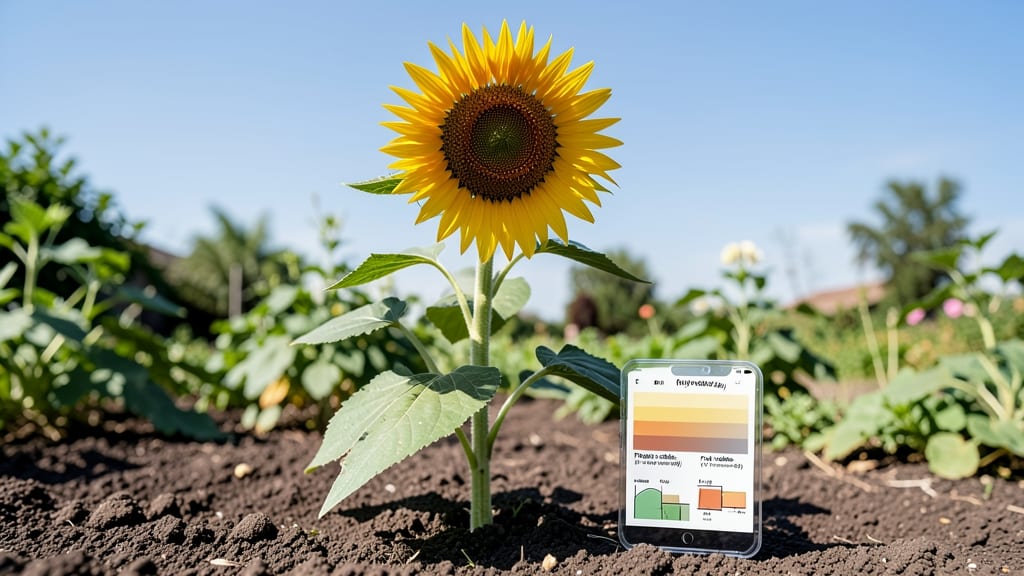
A garden needs 6 to 8 hours of sunlight daily to thrive, though some plants like ferns or hostas can handle just 3 hours or even dappled shade.
Struggling to keep your garden thriving? Sunlight is the secret ingredient—too little and your plants languish, too much and they scorch. But how do you know exactly what your garden needs?
Most vegetables, like tomatoes and peppers, demand full sun to produce well, while flowers and herbs often adapt to partial shade. Understanding these nuances is key to avoiding wilted leaves or stunted growth.
In this guide, I’ll break down the perfect sunlight hours for every plant type, from sun-worshipping tomatoes to shade-loving ferns, and how to adjust your garden layout for seasonal changes.


Sunlight requirements by plant type: full sun vs partial shade vs full shade explained
Understanding how many hours of sunlight your garden needs is the first step to creating a thriving space. Full sun plants crave 6+ hours of direct light, while partial shade plants thrive with 3-6 hours, and full shade plants flourish with less than 3 hours.
The key is matching your plants to their ideal light conditions—whether you're growing veggies, flowers, or shrubs.
Sunlight isn't just about hours—it's also about intensity and quality. In hot climates, plants may need afternoon shade to prevent scorching, while cooler regions can handle more direct light.
Seasonal changes also play a role: a summer shade plant might need more light in winter when days shorten. Let’s break down the categories so you can place every plant perfectly.
Let’s start with full sun plants, which are the most demanding but often the most rewarding. These varieties need unfiltered sunlight to produce vigorous growth and abundant blooms. Vegetables like tomatoes and peppers fall into this category, as do herbs like rosemary and thyme.
Place them in south-facing garden beds or containers where they’ll receive 6+ hours of direct light daily.
For partial shade plants, think of them as the balanced middle ground. They tolerate morning sun and afternoon shade, making them perfect for east-facing gardens or spots near tall structures. Coleus and impatiens thrive here, along with hostas and ferns.
These plants often avoid scorching while still getting enough light to flourish without wilting.
Finally, full shade plants are the low-light champions of the garden. They’re ideal for north-facing yards, under dense tree canopies, or shaded patios. Hosta, caladiums, and astilbe love these conditions, as do many woodland natives.
These plants often avoid dehydration and pests that thrive in hot, sunny spots, making them low-maintenance choices.
Climate plays a huge role in sunlight needs. In hot, dry regions, afternoon shade can prevent leaf scorch on full-sun plants. Conversely, in cooler, cloudy climates, plants may need more light to compensate.
Always observe your garden’s microclimates—some spots might get more sun in summer but less in winter due to shorter days.
Seasonal adjustments are key. A summer shade plant, like a coleus, might need more light in winter when days are shorter. Similarly, a full sun tomato plant might struggle in winter if moved indoors without grow lights.
Plan ahead by grouping plants with similar light needs and rotating containers to ensure even exposure.
Don’t forget about container gardening, where sunlight needs can change dramatically. A potted tomato on a patio might get only 4 hours of sun if placed in the shade of a building. Rotate containers every few days to distribute light evenly and prevent lopsided growth.
Use light-colored containers to reflect extra heat in hot climates.
If you’re unsure about your garden’s sunlight, map it out using a DIY sun chart. Place a white board or stakes in different spots and mark the hours of shade vs. sun throughout the day.
This helps you visualize light patterns and plan your garden layout with confidence. Over time, you’ll learn which spots are true full sun and which are deceptive partial shade.
Remember, every garden is unique, and flexibility is key. Some plants, like zinnias, can tolerate slightly less sun if given extra water.
Others, like lavender, might struggle in humid climates even with full sun. Experiment and observe—your garden will thank you with healthier plants and better yields.
How to measure sunlight in your garden and adjust for optimal growth
Measuring sunlight in your garden is the first step to creating a thriving space. Most plants need 6 to 8 hours of direct sunlight daily, but some—like ferns or hostas—thrive with just 3 hours of dappled shade.
Without accurate measurements, you risk under- or over-exposing plants, leading to poor growth or sunburn.
Start by observing your garden throughout the day. Note where shadows fall from trees, fences, or buildings—these areas often receive less than 3 hours of sunlight, making them ideal for shade-loving plants.
Use a simple DIY sun mapping method to track sunlight patterns over a week for the most accurate results.
⚠️ callout-warning
⚠️ Common Mistake: Overestimating Shade
Trees and buildings cast moving shadows throughout the day. What looks like partial shade in the morning may become full sun by afternoon. Always measure sunlight at the plant's height, not ground level.
For precise measurements, invest in a light meter or lux meter, which quantifies sunlight intensity in foot-candles or lux. A reading of 10,000+ lux indicates full sun, while 1,000–10,000 lux is partial shade. Place the meter at plant height for accurate data, especially in raised beds or containers.
Adjust your garden layout seasonally. In summer, trees may block 4+ hours of sunlight by midday, but winter sun angles can increase exposure. Group sun-loving plants like tomatoes and peppers together in the sunniest spots, while shade-tolerant plants like impatiens or astilbe thrive in filtered light areas.
Use reflective surfaces like white gravel or light-colored mulch to bounce extra sunlight into shady corners. For container gardens, move pots to sunnier spots in winter when daylight hours shrink. Regularly reassess your garden’s sunlight map every 3–6 months to account for seasonal changes and plant growth.
Even small adjustments—like rotating containers or pruning overhanging branches—can make a big difference. With the right sunlight assessment, you’ll create a balanced, high-performing garden where every plant gets exactly what it needs to flourish. 🌿