
How To
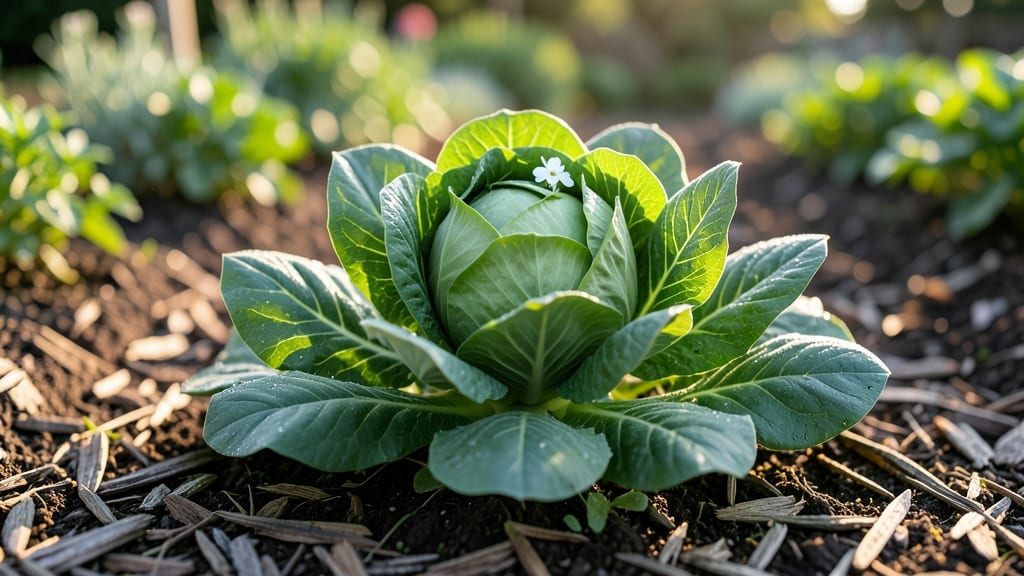
Growing a lettuce garden 🥬 delivers crisp, homegrown greens in just 30 days—no fancy skills required, but the right spacing and sunlight can turn a flop into a feast.
Picture this: you’re snipping fresh leaves for salads all summer, only to watch your plants bolt into bitter flowers because they were packed too tight. Or worse, wilting under the midday sun when a little shade would’ve saved them.
These mistakes happen more often than you’d think—even to gardeners with years of experience.
Here’s the good news: with the right fast-growing varieties and a few simple tricks, you can avoid those pitfalls and enjoy a steady harvest of buttery romaine, crunchy romaine, or tender butterhead.
I’ll walk you through the fastest varieties, perfect spacing secrets, and how to keep your lettuce thriving from seed to salad bowl—no green thumb needed.
Ready to turn a patch of soil into a salad bar? Let’s get started with the easiest, fastest way to grow lettuce that tastes better than anything you’ve ever bought at the store.

Fastest-growing lettuce varieties for your garden (harvest in 30-45 days)
If you're dreaming of a garden that delivers crisp, homegrown lettuce in just 30 days, you're in luck! The right variety can turn your backyard or container garden into a salad bar faster than you'd expect.
I've grown dozens of lettuce types, and these speed champions consistently deliver harvests before the first heat wave hits.
Leaf lettuces like Black Seeded Simpson and Salad Bowl are my top picks for ultra-fast growth—they bolt less easily and give you continuous harvests by letting you pick outer leaves. Romaine varieties like Parris Island Cos mature just as quickly but hold their structure better in heat.
The key is choosing varieties bred for speed and cold tolerance while avoiding those that bolt prematurely.
Here's my summary-table of the fastest-growing lettuce varieties, including their harvest times, heat tolerance, and regrowth potential for extended harvests:
The Black Seeded Simpson and Arkansas Wonder are my go-to varieties for cool-season gardens because they mature in just 28-35 days and regrow after cutting. This means you can keep harvesting for weeks longer than with other types.
I've even grown them in fall gardens right up until the first frost—just protect them with row covers if temperatures dip below 40°F.
For warmer climates or summer planting, Parris Island Cos and Merlot romaine varieties shine. They handle heat better than most and still deliver crisp heads in 30-40 days. The trade-off?
They don't regrow as well as leaf types, so I treat them as one-and-done harvests. Pro tip: Plant them in partial shade during peak summer to prevent bolting.
If you're growing in containers or small spaces, leaf lettuces are your best bet. They grow 30% faster than head types and fit perfectly in 5-gallon buckets or hanging baskets. I like to
Perfect lettuce garden spacing and layout secrets to prevent bolting
One of the biggest mistakes I see in home lettuce gardens is overcrowding. When plants compete for sunlight and nutrients, they bolt—sending up bitter flower stalks instead of tender leaves. The solution? Science-backed spacing that matches your lettuce type and garden layout.
Whether you're planting in rows or blocks, getting this right can mean the difference between a salad bar and a sad, wilted mess.
Lettuce thrives when given room to breathe, especially loose-leaf varieties like Black Seeded Simpson or Oakleaf. These need about 6-8 inches apart to avoid competition, while head varieties like Romaine can handle slightly tighter spacing at 12-15 inches.
The key is understanding how each type grows and adjusting your layout accordingly.
| Lettuce Type | Spacing (inches) | Row Width | Bolting Risk | Best Layout |
|---|---|---|---|---|
| Loose-Leaf (e.g., Black Seeded Simpson) | 6-8 | 12-18" | Low | Blocks or staggered rows |
| Butterhead (e.g., Bibb) | 10-12 | 18-24" | Medium | Straight rows |
| Romaine (e.g., Paris Island) | 12-15 | 24" | High (in heat) | Wide rows or beds |
| Leaf Lettuce (e.g., Salad Bowl) | 4-6 | 12-16" | Low | Tight blocks |
For companion planting, pair your lettuce with carrots or radishes to naturally deter pests like aphids. These plants repel common lettuce enemies while sharing similar water needs. Avoid planting near celery or cucumbers, though—they compete aggressively for nutrients and can stress your lettuce.
Sunlight is another critical factor. Lettuce prefers 4-6 hours of morning sun but will bolt quickly if exposed to hot afternoon rays. In warm climates, use shade cloth (30-50% coverage) to protect your plants during peak heat.
This simple trick can extend your harvest by weeks, especially for heat-sensitive varieties like Iceberg.
If you're planting in raised beds, space your lettuce 8-12 inches apart in all directions to maximize airflow. This reduces humidity around leaves, cutting down on fungal diseases like downy mildew. For container gardening, use 5-gallon pots with 2-3 plants per container—just ensure they get consistent moisture.
Remember, bolting isn't always bad. If you're saving seeds, let a few plants flower—just remove them before they spread. For the rest, keep an eye on spacing and sunlight, and you'll enjoy crisp, homegrown lettuce all season long.
With these secrets, your garden will be the talk of the neighborhood—no bitter surprises included!