
How To
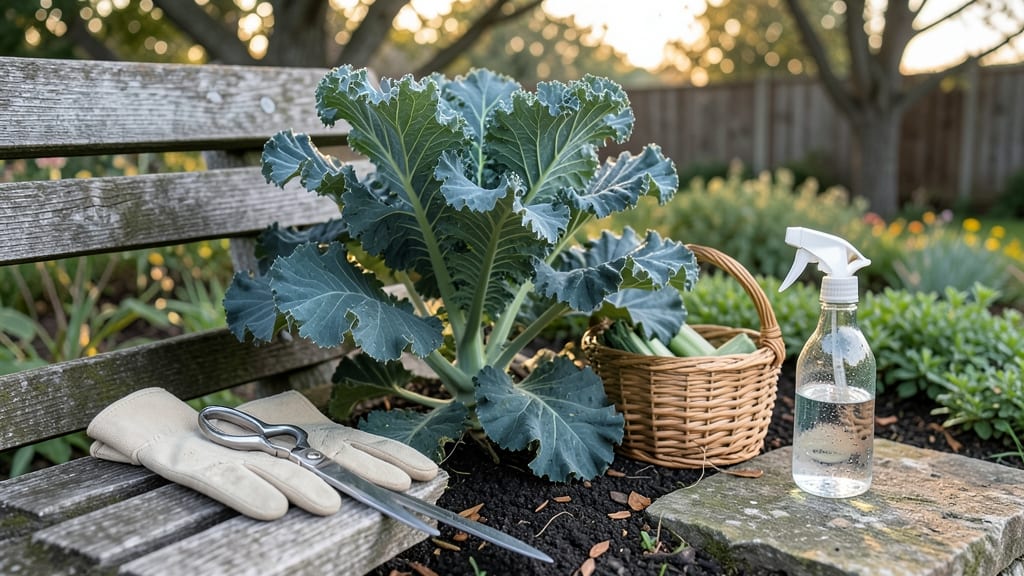
To pick kale from garden at the perfect time means harvesting crisp, flavorful leaves that keep producing for weeks—if you know the signs.
Picture this: you’ve nurtured your 🥬 kale through spring’s cool nights, and now the leaves are thick, vibrant, and ready to harvest. But how do you tell when they’re truly at their peak? The answer lies in leaf size, stem thickness, and even color cues that most gardeners miss.
Harvesting too early means bitter, underdeveloped leaves, while waiting too long risks tough stems and bolting. I’ll walk you through the exact maturity indicators, the best tools for clean cuts, and how to encourage your kale to keep growing after each harvest.
By the end, you’ll know not just when to pick your kale, but how to store it for salads, smoothies, or freezing—so nothing goes to waste.


When to harvest kale: visual & size-based harvesting guide
Harvesting kale at the perfect moment transforms your garden into a flavorful feast. The key lies in watching for visual cues like leaf size and stem thickness. When you harvest too early, you get tender but small leaves, while waiting too long risks bitter, tough stems.
Let’s break down the exact signs to pick your kale when it’s crisp, vibrant, and ready for the table.
Most kale varieties reach harvest readiness between 50 to 70 days after planting, but timing varies by variety and climate. For example, Lacinato (Dinosaur) kale often matures slightly slower than Curly kale.
Pay attention to the outer leaves first—they’re the first to reach maturity and signal when the rest of the plant is ready.
Here’s a quick reference to help you spot the perfect harvest window:
| Harvest Cue | Ready Signs | Not Ready Signs |
|---|---|---|
| Leaf Size | 6–8 inches long, firm texture | Smaller than 4 inches, tender |
| Color | Deep green or purple, vibrant | Pale yellow or dull |
| Stem Thickness | Thick and sturdy (¼ inch or more) | Thin and flimsy |
| Taste Test | Crisp, slightly sweet, no bitterness | Bitter or overly soft |
| Season | Cool weather (spring/fall) | Hot summer months (bolting risk) |
The outer leaves of your kale plant are the first to mature, making them the best indicator of harvest readiness. If the outer leaves measure 6–8 inches long and feel crisp but not brittle, it’s time to harvest.
These leaves should also have a vibrant color, whether deep green or purple, depending on the variety.
One common mistake is harvesting kale too early, which results in small, underdeveloped leaves that lack flavor. Conversely, waiting too long can lead to woody stems and bitterness.
To avoid this, I recommend harvesting outer leaves first and leaving the inner leaves to continue growing. This method ensures a continuous harvest throughout the season.
Another key visual cue is the stem thickness. A mature kale stem should be at least ¼ inch thick and feel firm to the touch. If the stems are thin and flimsy, the leaves aren’t ready yet.
Thick stems indicate that the plant has had enough time to develop nutrient-dense leaves perfect for salads, sautés, or freezing.
For fall harvests, aim to pick kale before the first frost, as cold temperatures can turn the leaves tough and bitter. In warmer climates, you can extend the harvest into early winter with row covers or cold frames.
Always harvest on a dry, sunny morning to ensure the leaves stay crisp and free of moisture.
If you’re growing kale for regrowth, never cut more than ⅓ of the plant at once. This practice encourages the plant to produce new leaves, giving you a longer harvest window.
For example, if you harvest a few outer leaves in early spring, the inner leaves will continue to grow, ready for your next harvest in late spring or early summer.
Pro tip: Taste test a leaf before harvesting. If it’s crisp, slightly sweet, and free of bitterness, it’s ready. If it’s overly soft or bitter, wait a few more days. This simple step ensures you’re always picking kale at its peak flavor and texture.
🌱
Step-by-Step kale harvesting technique for maximum yield
Harvesting kale the right way means preserving the plant’s health while ensuring you get the most flavorful leaves. The key is selective cutting—never pulling entire plants—so your kale keeps producing for weeks.
I’ve learned that even a small mistake like cutting too close to the stem can stunt regrowth, so let’s master the technique together.
You’ll need just two essential tools: a pair of sharp pruning shears (or clean kitchen scissors) and gardening gloves for protection. The goal is to make clean cuts at the right angle to avoid damaging the plant’s center.
This method works for both curly kale and lacinto varieties, so let’s dive into the step-by-step process.
How to Pick Kale From Garden
- 🌱 Step 1: Choose the Right Leaves
Select outer leaves that are 6-8 inches long and deep green/purple. Avoid picking leaves with yellow edges or soft spots.
- ✂️ Step 2: Position Your Tools
Hold the pruning shears at a 45-degree angle, about 1 inch above the main stem. This prevents damaging the growth point.
- 🌿 Step 3: Make the Cut
Cut cleanly through the stem, not the leaf blade. This ensures the plant regrows quickly and avoids ragged edges.
- 📅 Step 4: Harvest Frequency
Pick leaves every 1-2 weeks during the growing season. In cool weather, you can harvest more frequently for tender leaves.
- 🌡️ Step 5: Avoid Bolting
Stop harvesting 2-3 weeks before frost to let the plant store energy. In hot climates, harvest early in the morning to prevent stress.
After harvesting, rinse leaves gently under cool water to remove dirt, then pat dry with a clean towel. Store them in a perforated plastic bag in the fridge for up to 5-7 days.
For long-term storage, chop leaves and freeze them in airtight containers—this preserves their nutrients for months.
One of my biggest mistakes was cutting too close to the stem, which left my kale looking ragged and slow to regrow. Now, I always leave at least 1 inch of stem to keep the plant healthy. This simple habit has doubled my harvest yield over the years!
Pro tip: If your kale starts to bolt (send up flower stalks), it’s time to harvest everything immediately. Bolted kale becomes bitter and tough, but you can still use the leaves in cooked dishes where bitterness is masked.