
Planting
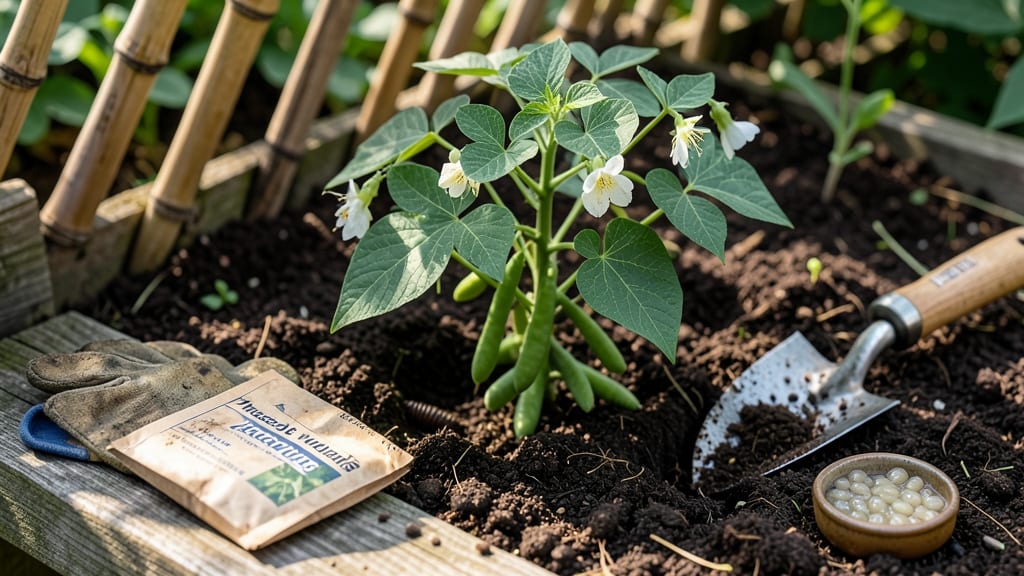
Planting string beans in a garden starts with the right soil warmth and spacing to ensure fast germination and a bountiful harvest.
Struggling with slow-growing string beans? The secret to faster germination lies in understanding soil warmth triggers—planting at the right temperature can cut your wait time in half and boost yields dramatically.
In Zone 6, aim for April to May planting after the last frost, when soil reaches at least 60°F. Too cold, and your seeds may never sprout; too hot, and they’ll bolt before producing pods.
Below, I’ll walk you through soil prep, seed depth, spacing, and watering tips to maximize your 🌱 string bean success—plus common mistakes to avoid for a faster, easier harvest.
Optimal soil temperature for planting string beans and germination speed
String beans love warmth, and getting the soil temperature right can mean the difference between fast germination and weeks of waiting. The ideal range for planting is between 50°F and 85°F, with the sweet spot being 70°F to 80°F for the fastest sprouting.
Below 50°F, seeds may rot, while above 85°F, they can dry out before germinating. Understanding this range helps you time your planting perfectly for your climate.
Soil temperature isn’t just about the air—it’s about the ground’s warmth. Even if your thermometer shows 70°F outside, the soil might still be too cold. Use a soil thermometer to check the temperature at a depth of 2 inches, where your seeds will be planted.
This tool is a game-changer for gardeners in cooler climates or early spring, as it gives you precise data to avoid delays.
Here’s how temperature impacts germination speed: at 60°F, string beans may take 10-14 days to sprout, while at 75°F, they can emerge in just 5-7 days.
A case study from University of Georgia Extension found that planting at 80°F reduced germination time by 40% compared to cooler soils. That’s why timing is everything—especially in regions with unpredictable spring weather.
If you’re in a Zone 6 or colder, consider using black plastic mulch or row covers to warm the soil faster. These methods can raise soil temperatures by 5-10°F in just a few days, creating the perfect conditions for your seeds.
For container gardeners, place pots in a sunny, sheltered spot and use warm water to pre-soak seeds before planting.
Now, let’s break down the key factors in a quick-reference table to help you plan your planting schedule with confidence.
For gardeners in warmer climates, like Zone 8 or higher, planting in late summer can work, but you’ll need to provide afternoon shade to prevent seeds from drying out.
A simple shade cloth or drip irrigation can make all the difference. In contrast, cooler regions should prioritize early planting and use black plastic mulch to retain heat.
Pro tip: If your soil is too cold to plant, try soaking seeds overnight in warm water to kickstart germination. This method can shave off 2-3 days from your wait time, giving you a head start. Just be sure to plant the soaked seeds immediately afterward to avoid drying out.
Monitoring soil temperature isn’t just about speed—it’s about consistency. Fluctuations can stress young seedlings, leading to poor growth or even seedling death. Aim for a stable temperature within your target range, and you’ll see stronger, healthier plants from the start.
For example, a 5-day temperature swing from 60°F to 80°F can confuse seedlings, while a steady 75°F promotes even germination.
Don’t forget that organic matter like compost also helps regulate soil temperature. Amending your soil with well-rotted compost or aged manure improves heat retention, making it easier to maintain the ideal range. This is especially useful in early spring or late fall when soil temperatures are unpredictable.
By mastering soil temperature, you’ll unlock the full potential of your string bean plants—faster germination, stronger starts, and a bountiful harvest. Start testing your soil now, and you’ll be ready to plant with confidence when the time comes! 🌱
Step-by-step planting process for maximum germination success
Ready to grow string beans with confidence? The key to faster germination starts with proper planting techniques. I’ve planted hundreds of seeds over the years, and these steps ensure your beans sprout quickly and thrive.
Warm soil triggers germination, so let’s get your garden prepped just right for those little seeds to wake up and grow!
First, choose a sunny spot with at least 6-8 hours of sunlight daily—string beans are sun lovers! Test your soil’s warmth with a soil thermometer; aim for 60-85°F (2-3 days above 50°F after last frost).
If your soil is still cool, try a black plastic mulch to warm it up faster. This simple trick can cut germination time by nearly half!
How to Plant String Beans for Fast Germination
- 1 Prep the Soil: Loosen soil to 12 inches deep with a garden fork. Mix in 2-3 inches of compost or aged manure to improve drainage and fertility. String beans prefer well-draining soil with a pH of 6.0-7.0.
- 2 Plant Seeds at the Right Depth: Drop 3-4 seeds per hole, 1 inch deep and 3-4 inches apart. For bush varieties, space rows 18-24 inches apart. If using poles, space rows 4-6 inches apart for climbing varieties.
- 3 Water Gently After Planting: Water the soil lightly but thoroughly to settle seeds. Avoid soaking the soil—overwatering can wash seeds away or cause rot. Use a watering can with a fine rose for precision.
- 4 Mulch to Retain Warmth: Apply 2-3 inches of straw or grass clippings around plants to keep soil warm and moist. Mulch also suppresses weeds, which compete for nutrients. Replenish mulch as it breaks down.
- 5 Monitor Soil Moisture: Keep soil consistently moist but not soggy. Water early in the morning to reduce evaporation and fungal risks. Check soil moisture by sticking your finger 1 inch deep—if it’s dry, water lightly.
- 6 Thin Seedlings for Stronger Plants: Once seedlings reach 2 inches tall, thin them to 1 plant per spot, leaving the strongest seedling. Use scissors to avoid disturbing roots. This reduces competition for nutrients and sunlight.
- 7 Support Climbing Varieties: Install trellises or stakes early to guide vining varieties upward. This saves space and improves airflow, reducing disease risk. Tie plants gently with soft twine as they grow.
After planting, patience is key—germination can take 7-14 days depending on soil warmth. To speed things up, place a clear plastic dome over seedlings (like a mini greenhouse) until sprouts appear.
Remove it once you see tiny green leaves breaking through the soil. This trick adds 5-7°F of warmth, accelerating growth!
Once your string beans are established, focus on consistent care: water at the base (not the leaves) to prevent fungal diseases, and fertilize lightly with a balanced 5-10-10 fertilizer every 4-6 weeks.
With these steps, you’ll enjoy a bountiful harvest in just 60-70 days—and maybe even faster if your soil stays warm! 🌱