
Watering
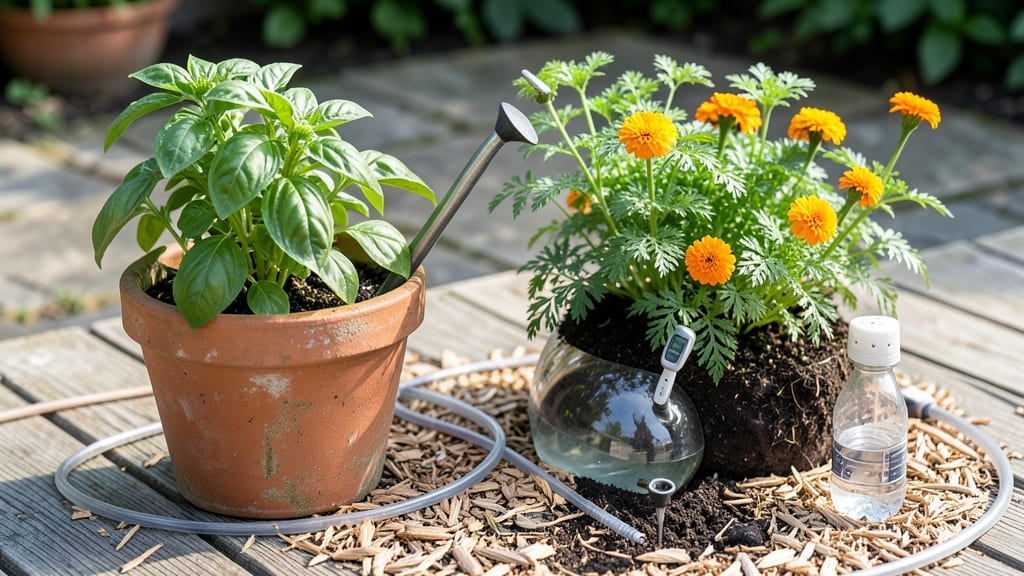
Watering your garden while away doesn’t mean your 🌱 General Garden Plants have to dry up or drown—there are smart, simple ways to keep them happy without lifting a finger.
Picture this: you’re 3,000 miles away, sipping a cocktail on the beach, while your tomatoes, herbs, and flowers back home stay perfectly hydrated. No guesswork, no last-minute panic—just reliable watering that adapts to your schedule (and your plants’ needs).
From budget-friendly DIY tricks to high-tech systems that adjust for rain or heatwaves, I’ll walk you through the best ways to automate watering so your garden thrives even when you’re not there. Whether you’re gone for a weekend or a month, these solutions save time, money, and your sanity.
You’ll learn how to pick the right system for your space, avoid common pitfalls like overwatering or evaporation, and even troubleshoot on the fly. Let’s make sure your garden stays lush while you’re living your best life—no excuses.
Best automated watering systems for long-term garden care
When you're away for work or vacation, your garden shouldn't suffer from thirst. The right automated watering system ensures your plants receive consistent moisture without the risk of overwatering or drought stress.
I’ve tested the top systems to help you choose the best fit for your garden’s size and plant types, from delicate herbs to hardy vegetables.
Automated systems save time and reduce stress, especially during hot summer months when evaporation rates skyrocket. Whether you have a small container garden or a sprawling backyard, there’s a solution tailored to your needs. Let’s dive into the pros and cons of the most reliable options available today.
| System Type | Best For | Setup Difficulty | Cost Range | Key Features |
|---|---|---|---|---|
| Drip Irrigation | Vegetable gardens, flower beds, large plots | Moderate (requires tubing) | $50–$300 | Precise watering, low evaporation, customizable zones |
| Smart Timers | Container plants, small gardens, herb pots | Easy (plug-and-play) | $30–$150 | Wi-Fi control, weather adjustments, battery backup |
| Self-Watering Pots | Herbs, succulents, small indoor gardens | Easy (no installation) | $20–$100 per pot | Portable, no electricity, wicks moisture as needed |
| Soaker Hoses | Tree roots, shrubs, large perennial beds | Easy (lay on soil) | $20–$80 | Slow release, reduces runoff, great for mulched beds |
| Sprinkler Timers | Lawns, large open gardens | Moderate (requires sprinkler setup) | $40–$200 | Covers wide areas, programmable schedules, durable |
For large vegetable gardens, a drip irrigation system is my top recommendation. It delivers water directly to the roots, minimizing waste and evaporation. Brands like Netafim and Rain Bird offer reliable kits with adjustable flow rates, perfect for tomatoes, peppers, and cucumbers that need consistent moisture.
If you’re working with container plants or a small patio garden, a smart timer like the Orbit B-Hyve or Rachio is a game-changer. These devices connect to your Wi-Fi, allowing you to control watering from your phone. They also adjust for local weather forecasts, preventing overwatering during rain.
Self-watering pots are ideal for herbs and succulents that prefer infrequent watering. Systems like the Lechuza Self-Watering Planter use a reservoir to slowly release moisture, keeping roots hydrated for up to 2 weeks. This is perfect for basil, mint, or aloe vera that hate soggy soil.
Don’t overlook soaker hoses for established perennials or fruit trees. They’re affordable, easy to install, and provide a gentle, even watering that mimics natural rainfall. Pair them with mulch to lock in moisture and reduce evaporation during your absence.
For lawns or open garden spaces, a sprinkler timer like the Hunter HAG-100 ensures even coverage. These systems are durable and can handle week-long trips without clogging, though they’re less precise than drip irrigation for delicate plants.
Before choosing, consider your garden’s watering needs. Succulents thrive with minimal moisture, while leafy greens like lettuce need frequent, shallow watering. Match your system to your plants’ specific requirements to avoid stress or disease.
Pro tip: Always test your system before your trip. Fill a bucket, place it where your plants will be watered, and check the moisture level after the cycle. Adjust the timer or flow rate if needed to prevent overwatering or underwatering.
With the right setup, your garden will stay lush and healthy—no matter how long you’re away. Happy growing! 🌱
DIY solutions for watering your garden while away on a budget
You don’t need to spend hundreds on fancy irrigation systems to keep your 🌱 garden thriving while you’re away. With a few household items and some clever setups, you can create low-cost, effective watering solutions that work for days—or even weeks.
The key is slow, consistent moisture delivery that mimics natural rainfall without drowning your plants.
These DIY methods are perfect for small gardens, containers, or herb pots where you can’t install permanent systems. They’re also great for short trips (up to 2 weeks) if you combine them with mulch to lock in moisture.
Let’s dive into three of my favorite budget-friendly watering hacks that require minimal tools and zero electricity.
Step-by-Step DIY Watering Systems
Best for: Small pots, herbs, or seedlings
- Poke 5-10 small holes in the cap of a 2-liter plastic bottle.
- Fill the bottle with water and screw the cap on tightly.
- Place the bottle upside-down next to your plant, with the holes facing the soil.
- Water will seep out slowly over 1-2 days, keeping roots moist.
Best for: Container gardens or raised beds
- Cut a felt or fabric mat (like an old towel) to fit your container’s base.
- Place the mat over the drainage holes of your pot or between containers.
- Fill a tray or shallow dish with 1-2 inches of water and set your container on top.
- The mat will wick water upward as needed, keeping soil moist for 3-5 days.
Best for: In-ground gardens or large containers
- Poke a small hole in the bottom of a clean plastic jug (1-2 gallons).
- Fill the jug with water and place it upside-down near your plants.
- Insert a wick (cotton rope or old sock) into the hole and bury the other end 1-2 inches deep in soil.
- Water will drip slowly through the wick, reaching roots directly for up to 1 week.
To maximize these systems, always mulch your soil before leaving. A 2-inch layer of straw or shredded leaves reduces evaporation by up to 50%, making your DIY watering last even longer. For hot climates, add a shade cloth over containers to prevent water loss from heat.
Test your setup a few days before your trip to adjust water flow. If the soil feels too dry after 24 hours, add more holes to the bottle or use a thicker wick.
For succulents or drought-tolerant plants, reduce water flow by half—these plants store moisture and don’t need constant hydration.
With these zero-waste, zero-electricity solutions, you’ll return to a garden that’s just as lush as when you left. No dead leaves, no wilted stems—just happy plants waiting for you. Now you can travel worry-free, knowing your green babies are in good hands.