
Watering
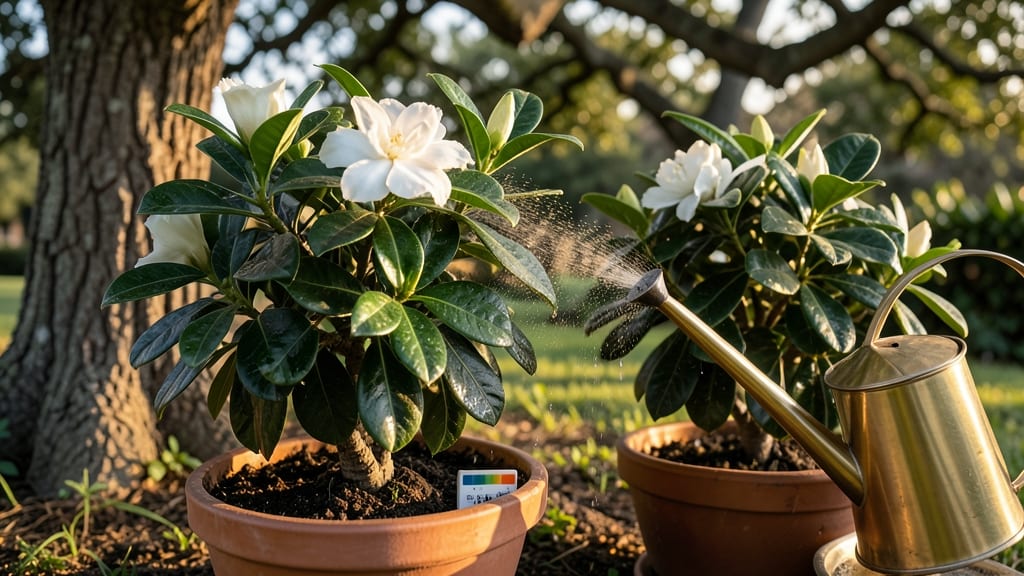
To water gardenia 🌸 properly means giving it just the right amount—deep, consistent moisture without drowning its roots.
Struggling to keep your gardenia blooming? The secret isn’t just sunlight or soil—it’s mastering the art of watering. Overwater or underwater, and you’ll lose those intoxicating white flowers for good.
Gardenias thrive in moist but well-draining soil, which means checking the top inch before watering. Too much water causes root rot; too little, and the leaves yellow or wilt. Climate matters too—humid areas need less frequent watering than dry ones.
Here’s how to strike the perfect balance: when to water, how much, and what to watch for so your gardenia stays lush and fragrant all season.
The perfect watering schedule for gardenias: when, how much, and why timing matters
Gardenias thrive on consistent moisture, but their roots despise soggy conditions. The key is deep, infrequent watering that mimics their natural tropical habitat. Unlike thirsty succulents, gardenias need 1-2 gallons per watering—enough to saturate the top 6-8 inches of soil.
Skimp, and you’ll trigger wilting; overdo it, and you risk root rot. Let’s break down the ideal schedule and how to adjust for your climate.
Timing your watering is just as critical as how much you give. Always water in the early morning (before 10 AM) to let foliage dry before evening. This prevents fungal diseases like powdery mildew, which loves damp leaves.
If you must water in the evening, avoid getting flowers and leaves wet—use a soaker hose at the base instead. Pro tip: Water gardenias in pots more frequently (every 1-2 days) than in-ground plants, since containers dry out faster.
Now, let’s talk seasonal adjustments. In spring and summer, gardenias need water every 2-3 days (daily in extreme heat). But as temperatures drop in fall and winter, reduce to every 3-4 days or even bi-weekly if dormant.
Overwatering in winter is a common mistake—yellowing leaves or mushy stems are red flags for soggy roots. Always check soil moisture before watering!
Here’s how to check soil moisture like a pro: Stick your finger 2 inches deep into the soil. If it feels dry, it’s time to water. For in-ground gardenias, the top layer should stay slightly moist but not soggy.
Potted gardenias need a drier top layer—wait until the top inch feels bone-dry to the touch. Use a moisture meter if you’re unsure, especially in humid climates where overwatering is riskier.
Humidity plays a huge role in gardenia care. In low-humidity zones (like deserts), increase watering slightly and use a pebble tray under pots to boost moisture. If your gardenia’s leaves feel crispy or brown, it’s thirsty—water immediately and trim damaged foliage.
Conversely, in humid climates, cut back on watering to prevent fungal issues. Always pair watering with proper drainage: Ensure pots have drainage holes and in-ground plants are in well-draining, acidic soil (pH 5.0-6.5).
One of the biggest mistakes is watering on a strict schedule without checking soil conditions. Instead, adjust based on weather: After a heavy rain, skip watering for a few days. In high winds, water more frequently to compensate for evaporation.
A mulch layer (2-3 inches of pine bark or wood chips) helps retain moisture and keeps roots cool. Just keep mulch 2 inches away from the stem to avoid rot.
Signs of underwatering include drooping leaves, dry soil, and bud drop (gardenias abort flowers when stressed). Overwatering, however, causes yellow leaves, mushy stems, and a sour smell from the soil.
If you spot these, adjust immediately: For underwatering, soak the plant deeply; for overwatering, let the soil dry out completely before watering again. In severe cases, repot in fresh, well-draining soil.
Pro tip: Group gardenias with other moisture-loving plants like camellias or azaleas to create a microclimate that retains humidity. Avoid placing them near air conditioners or heaters, which dry out the air.
If you’re unsure about your gardenia’s needs, start with the finger test and adjust based on leaf condition. With the right watering routine, your gardenia will reward you with gloss
Common watering mistakes that kill gardenias (and how to fix them)
Your gardenia’s health hinges on watering precision. Too much or too little throws off its delicate balance, causing leaf drop, bud rot, or stunted growth.
Even experienced gardeners make these 5 fatal mistakes—and I’ve seen them all in my own garden trials. The good news? Fixing them is simpler than you think.
First, let’s tackle the #1 killer mistake: watering on a rigid schedule. Gardenias don’t care about your clock—they need moisture when the top inch of soil dries.
Stick your finger in the soil; if it feels dry, water. If it’s still damp, wait. This simple check prevents both root suffocation and stress-induced wilting.
⚠️ PROS-CONS BOX: Watering Gardenias Correctly
✅ DO
- Water deeply (1-2 gallons) to encourage deep root growth.
- Water in the morning to prevent fungal diseases.
- Use rainwater or distilled water (tap water can harm leaves).
- Check soil moisture with your finger (top inch rule).
- Mulch with organic matter to retain moisture.
❌ DON'T
- Water lightly (shallow watering stresses roots).
- Water at night (promotes fungal growth).
- Use hard water (causes leaf burn).
- Let soil stay soggy (root rot risk).
- Skip seasonal adjustments (winter needs less water).
Next up: overwatering in pots. Potted gardenias dry out faster, but many gardeners drown them thinking they need more water. If your pot lacks drainage holes, repot immediately—or your plant will suffocate. Pro tip: Use a terracotta pot; it wicks away excess moisture better than plastic.
Here’s another sneaky mistake: ignoring leaf burn. If you’ve ever seen crispy edges on gardenia leaves, blame fluoride in tap water or salt buildup. Switch to filtered or rainwater, and flush the soil monthly with distilled water to cleanse the roots.
My gardenias went from sad to show-stopping after this simple swap!
Don’t overlook seasonal shifts. In winter, gardenias enter dormancy and need half the water. Cut back to bi-weekly watering, and watch for yellowing leaves—a sure sign of overwatering.
Conversely, in summer heat, you may need to water daily if the soil dries in under 24 hours. Adjust based on your climate, not the calendar.
Finally, skipping mulch is a silent killer. A 2-inch layer of pine bark mulch locks in moisture, regulates soil temperature, and keeps roots cool. Without it, gardenias struggle to retain water, leading to wilting between waterings.
Spread mulch in early spring, keeping it 2 inches away from the stem to prevent rot.
Fix these mistakes, and your gardenia will reward you with glossy leaves and heavy blooms all season. Start with the soil moisture check, then tweak your routine based on the pros-cons above. Your fragrant gardenia will thank you! 🌸