
Advice
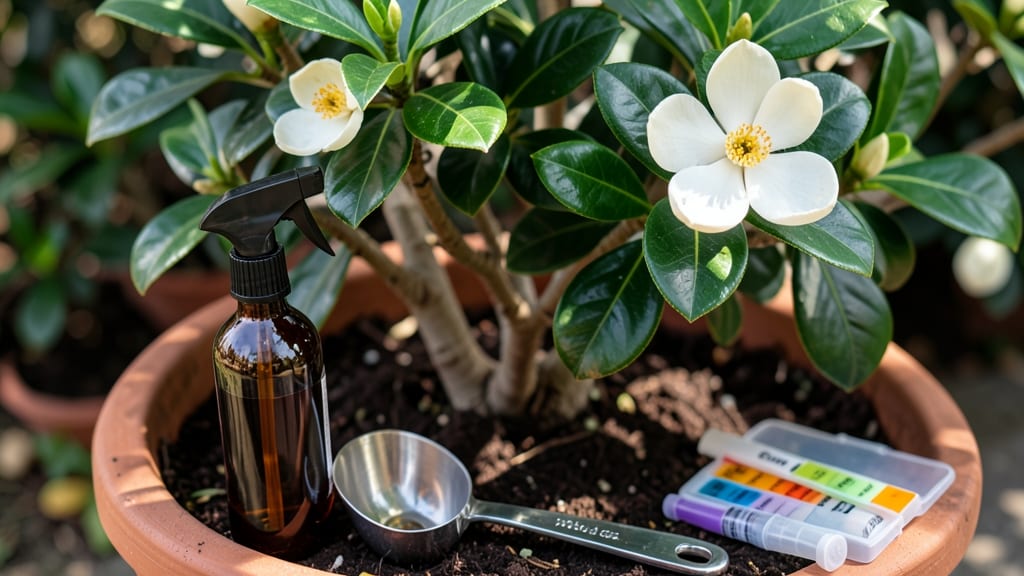
Gardenias need iron to keep their leaves vibrant and blooms plentiful 🌸—without it, those glossy green leaves turn a sad, yellowish shade.
Struggling with yellowing leaves and sparse blooms on your gardenias? Iron deficiency could be the hidden culprit—and the solution is simpler than you think.
Most gardeners overlook soil pH, but alkaline conditions lock out iron, even if you’re using the right fertilizer. The good news? A few targeted fixes—like chelated iron or organic amendments—can revive your plant in weeks.
Below, I’ll walk you through diagnosing the problem, the best iron supplements for your gardenias, and long-term strategies to keep them thriving in General (Zone 6 default) soil.
How to identify iron deficiency in gardenias and correct soil pH
Your gardenias may be silently screaming for help if their leaves turn a sickly yellow between veins while keeping green veins. This classic sign of iron chlorosis is one of the most common nutrient deficiencies in gardenias, and the culprit is often alkaline soil blocking iron uptake.
The good news? Correcting soil pH is simpler than you think—and can bring back those fragrant blooms in just a few months.
Iron is essential for chlorophyll production, which is why deficiency causes that telltale yellowing. Unlike many plants, gardenias thrive in acidic soil (pH 5.5-6.5), and when soil becomes too alkaline (above 7.0), iron becomes locked away in an unusable form.
Without intervention, your gardenias will continue to struggle, producing fewer blooms and weaker growth. The first step is confirming the issue with a simple soil test—but even without one, the visual clues are hard to miss.
Here’s what you’ll learn: How to spot iron deficiency in gardenias, the exact soil pH range your plants need, and step-by-step methods to acidify your soil using organic amendments. By the end, you’ll have a clear plan to revive your gardenias and keep them thriving for years.
Start by examining your gardenia’s leaves closely. Iron deficiency typically appears as interveinal chlorosis—yellowing between the veins while the veins themselves stay green. This pattern is distinct from other issues like nutrient burn (brown edges) or overwatering (yellowing with brown spots).
If you also notice smaller leaves or reduced flowering, these are additional red flags that your gardenias are starving for iron.
To confirm your suspicions, grab a soil pH test kit (available at garden centers for under $10) or send a sample to your local cooperative extension service. The ideal pH range for gardenias is 5.5 to 6.5.
If your soil tests higher than 6.5, it’s time to take action. Alkaline soil (pH 7.0+) is the primary reason gardenias can’t access iron, even if the soil contains plenty of it.
Once you’ve confirmed the pH issue, the next step is acidifying your soil. Organic methods like elemental sulfur or peat moss are the safest choices. Sulfur works slowly (takes 2-3 months to lower pH), but it’s long-lasting.
For faster results, mix in pine bark fines or composted pine needles, which can lower pH by up to 1 point in a season. Always work these amendments into the top 6 inches of soil around your gardenias’ root zone.
For potted gardenias, the process is even simpler. Replace 20-30% of the soil with a peat-based potting mix or add sulfur-coated fertilizer designed for acid-loving plants. Water thoroughly after amending to help distribute the materials.
Remember, potted plants dry out faster, so monitor moisture levels closely—especially during hot summer months when iron uptake can slow down.
After amending your soil, give your gardenias a chelated iron supplement (like Sequestrene 330) for an immediate boost. Mix it with water and apply it to the soil according to the package instructions.
This will provide quick relief while the soil pH adjusts. Repeat the application every 4-6 weeks during the growing season to maintain iron levels, especially if your gardenias are in highly alkaline soil.
Patience is key here—it can take 2-3 months to see noticeable improvement after amending your soil. During this time, avoid over-fertilizing with high-nitrogen products, as these can worsen nutrient imbalances.
Instead, stick to a balanced, acid-loving fertilizer (like 10-10-10 with sulfur) to support overall health without overwhelming your gardenias.
To keep your gardenias thriving long-term, mulch annually with pine straw or wood chips. This helps maintain acidic conditions and retains moisture. If you’re planting new gardenias, always choose a location with well-draining, acidic soil from the start.
With the right care, your gardenias will reward you with glossy green leaves and abundant blooms for years to come.
Best iron supplements for gardenias: chelated vs. organic options
Gardenias love iron, but alkaline soils or improper amendments can lock this essential nutrient out of reach. When your gardenias show yellowing leaves with green veins (a classic sign of iron chlorosis), you need a targeted supplement.
The right choice depends on your soil type, budget, and how quickly you need results.
Synthetic iron supplements like iron sulfate or chelates (EDDHA, Fe-DTPA) work fast, while organic options (fish emulsion, compost tea) build soil health long-term. Each has trade-offs—let’s break down the best fit for your gardenia’s needs.
Iron Supplement Options
For immediate results, I recommend chelated iron (EDDHA)—it’s the gold standard for gardenias because it stays available in alkaline soils. Mix 1/4 teaspoon per gallon of water and apply as a foliar spray or soil drench every 4-6 weeks during growing season.
If you prefer organic methods, use liquid fish emulsion (5-1-1 ratio) diluted to 1 tablespoon per gallon. Apply monthly, but expect slower improvement. For potted gardenias, I’ve had success with compost tea, brewed from well-aged compost and sprayed directly on leaves.
Avoid iron sulfate unless your soil is extremely alkaline—it can further lower pH and harm roots. Always test your soil first! For extra safety, pair any iron supplement with elemental sulfur (1 lb per 100 sq ft) to maintain the ideal pH 5.5-6.5 range.
Remember: Prevention is key. Mulch with pine needles or oak leaves annually to keep soil acidic naturally. My gardenias thrive when I combine chelated iron in spring with organic amendments in fall—it’s the best of both worlds!