
Tools
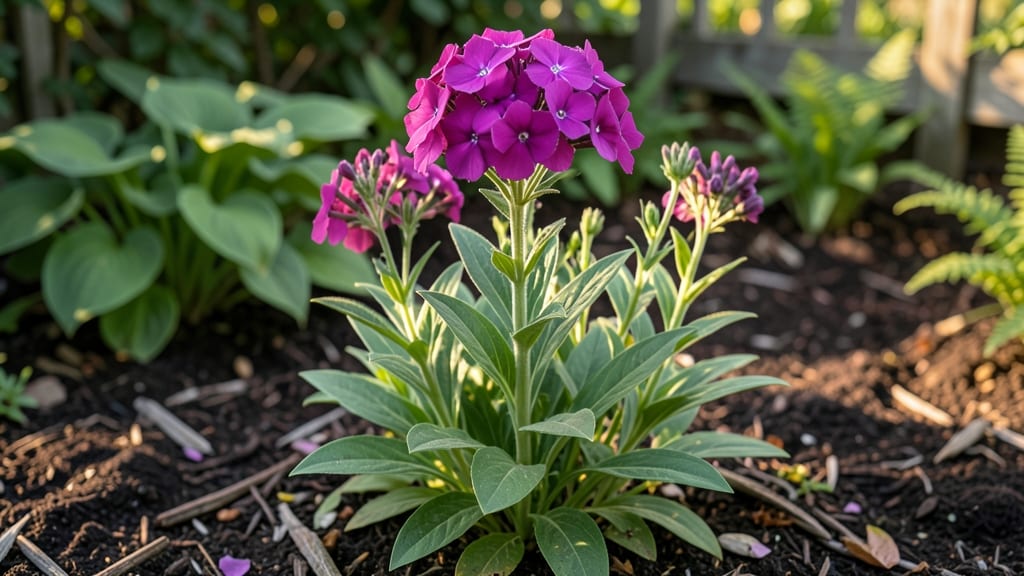
The tallest garden phlox varieties can reach 6 feet tall, transforming your garden into a breathtaking vertical masterpiece with vibrant blooms that last from summer through fall.
If you're dreaming of dramatic vertical impact in your garden, these towering beauties could be your secret weapon—reaching heights that make them the stars of any border or mixed perennial bed.
Beyond their impressive stature, tall phlox like 'David' or 'Blue Paradise' bring pollinators buzzing and extend your garden's seasonal interest with their long-lasting flowers.
In this guide, I’ll show you how to select the tallest varieties, pair them with companion plants for maximum height, and care for them to ensure they thrive year after year.
Top 5 tallest garden phlox varieties with stunning height records
If you're looking to add vertical drama to your garden, few plants deliver like the tallest garden phlox varieties. These towering beauties—especially Phlox paniculata cultivars—can reach 5 to 6 feet tall, creating breathtaking backdrops for borders or focal points.
Their clusters of fragrant blooms attract butterflies and bees while adding seasonal color from mid-summer through fall.
What makes these phlox varieties truly stand out? It's their height potential combined with low-maintenance care and long bloom seasons. Whether you're designing a cottage garden, a pollinator haven, or a modern perennial border, these giants will elevate your landscape—literally.
Let’s explore the top 5 tallest phlox and how to grow them for maximum impact.
Comparison Table: Tallest Garden Phlox Varieties
At the top of the list is Phlox paniculata 'David', a 6-foot giant with deep pink blooms that dominate any garden space. Its extra-large flower clusters make it a showstopper, especially when planted in groups of 3 or 5 for a dramatic effect.
This variety thrives in full sun and well-drained soil, making it perfect for sunny borders or back-of-the-bed placements.
For a bold red statement, 'Meteor' is a heat-loving champion that reaches 4 to 5 feet tall. Unlike some phlox varieties, it won’t flop in hot summers, thanks to its strong stems.
Pair it with silver foliage plants like lamb’s ear to create striking contrasts in your garden design.
If you prefer elegant simplicity, 'White Delight' offers pure white blooms on 5-foot stems. This variety is fragrant and disease-resistant, making it a low-maintenance superstar. It’s ideal for wedding gardens or romantic cottage layouts, where its clean lines add sophistication.
For a softer, nostalgic vibe, 'Miss Lingard' delivers lavender blooms on 4 to 5-foot stems. This classic phlox has been a garden favorite for decades, perfect for heritage-style gardens or cut-flower arrangements. Its long bloom time ensures color from mid-summer to early fall.
Finally, 'Blue Paradise' is a rare gem with true blue flowers that reach 5 feet tall. Blue phlox is highly sought after by pollinators, especially butterflies and hummingbirds. Plant it near bee balm or coneflowers to create a pollinator paradise that thrives all season long.
To maximize their height potential, give these phlox varieties 6 to 8 hours of sunlight and rich, moist soil. Deadhead spent blooms to encourage continuous flowering and prune back in early spring to promote taller, bushier growth.
With the right care, these tall phlox varieties will transform your garden into a vertical masterpiece.
Proven care secrets to grow extra-tall phlox year after year
To coax your tall garden phlox to reach its full 5-6 foot potential, start with the right foundation. These plants thrive in well-draining, fertile soil with a slightly acidic pH between 6.0 and 7.0.
Amend your garden beds with compost or aged manure before planting to give roots the nutrients they crave for dramatic height growth.
I’ve found that Phlox paniculata varieties like 'David' and 'Blue Paradise' respond best when planted in full sun locations with at least 6-8 hours of direct sunlight daily. Without sufficient light, stems become weak and leggy, leading to flopping—something no one wants in a showstopper garden display.
🌱 Proven Care Secrets for Towering Phlox
- 🌿 Soil Prep: Mix in 3 inches of compost and a balanced fertilizer (10-10-10) at planting time to fuel rapid vertical growth.
- ☀️ Sunlight: Plant in south-facing beds where stems receive unfiltered morning light to prevent stretching.
- ✂️ Pruning: Cut back 1/3 of stems after first flush of blooms to encourage second blooming and stronger stems.
- 💧 Watering: Water at soil level (not overhead) to prevent fungal diseases that weaken stems.
- 🌳 Support: Install hidden stakes or rings early to prevent flopping as plants reach 4 feet tall.
- 🌷 Winter Care: Mulch with 3-4 inches of straw to protect roots from freeze-thaw cycles that stress plants.
- 📋 Fertilizing: Apply high-phosphorus fertilizer (5-10-10) every 4-6 weeks during growing season for robust blooms.
One of my favorite tricks for extra-tall phlox is to prune strategically after the first bloom cycle. By cutting back one-third of the stems just above a set of leaves, you encourage second blooming while strengthening the remaining stems.
This technique has helped my 6-foot 'David' phlox produce a second flush of blooms in late summer.
To prevent the dreaded phlox flop, I recommend installing hidden support structures like coconut fiber rings or flexible stakes when plants reach about 2 feet tall. These supports are barely visible but provide just enough stability to keep stems upright as they grow toward their maximum height.
Don’t forget that seasonal maintenance is key to year-after-year success. In early spring, remove any dead or weak stems while leaving healthy ones intact. Then, apply a layer of mulch to retain moisture and regulate soil temperature—critical for encouraging those towering stems.
With these care secrets, your tall garden phlox will reach their full potential, creating a stunning vertical focal point that draws admiration from every visitor to your garden. The key is consistency in soil care, sunlight, and support—then sit back and enjoy the show! 🌻