
Tools
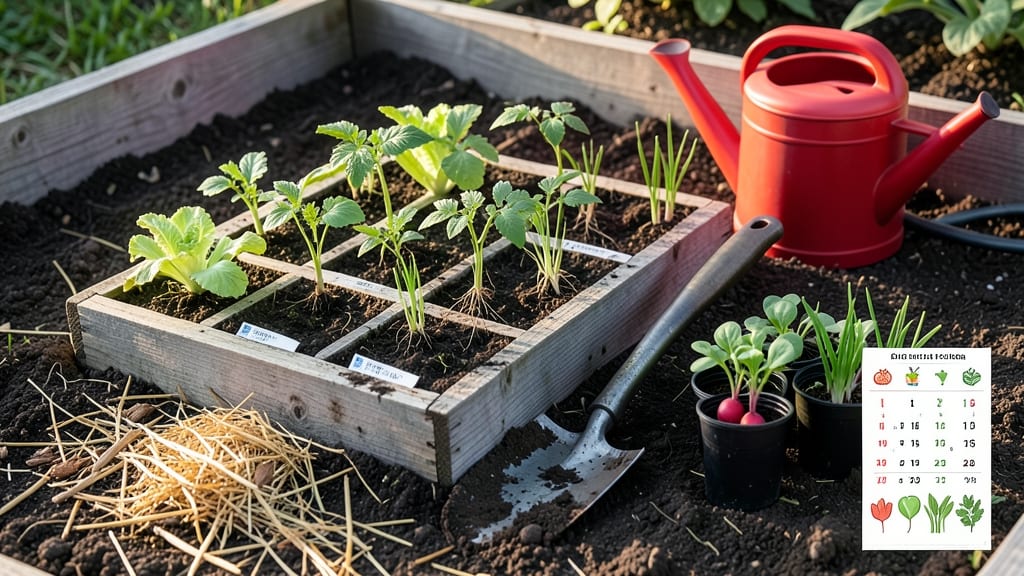
A vegetable garden planting schedule that aligns with your local frost dates and seasonal shifts is the key to avoiding wasted seeds and frustrated gardening.
Picture this: You’ve spent weeks prepping your soil, only to watch your tender seedlings bolt in the heat or freeze under an unexpected frost. That’s why timing isn’t just important—it’s the difference between a thriving harvest and a disappointing flop.
Whether you’re in Zone 6 or further south, knowing when to start seeds indoors and when to plant directly outdoors can save you time, money, and headaches.
This guide breaks down the seasonal starts and stops for your zone, so you can plan with confidence. From cool-season crops like lettuce and peas to heat-lovers like tomatoes and peppers, we’ll cover everything you need to maximize your garden’s potential.
No more guessing—just a clear, actionable schedule tailored to your climate.
Ready to transform your garden from a gamble into a reliable harvest? Let’s dive into the exact planting windows, frost date math, and succession planting tips that will have your garden thriving all season long.
How to create a custom vegetable garden planting schedule by hardiness Zone
Creating a custom vegetable garden planting schedule tailored to your USDA hardiness zone ensures you maximize harvests while avoiding frost damage. Every zone—from Zone 3's harsh winters to Zone 10's mild climate—has unique frost-free windows that dictate when to plant.
Start by identifying your last spring frost date and first fall frost date, which are the bookends of your growing season.
For example, if you're in Zone 6 like me, your last frost date is typically around April 15, while Zone 9 gardeners might enjoy a frost-free season until December 15. These dates determine whether you can grow heat-loving tomatoes or cool-season lettuce successfully.
Use your local cooperative extension service or online tools like the USDA Plant Hardiness Zone Map to pinpoint your exact zone.
Next, group your vegetable crops into two categories: cool-season crops (like spinach, peas, and broccoli) and warm-season crops (like peppers, cucumbers, and beans). Cool-season crops thrive when soil temperatures are between 40°F and 70°F, while warm-season crops need soil to warm to at least 60°F before planting.
Adjusting your schedule based on these temperature thresholds prevents stunted growth or failed germination.
| Zone & Frost Dates | Cool-Season Planting Window | Warm-Season Planting Window | Key Adjustments |
|---|---|---|---|
| Zone 3 (Last Frost: May 15 | First Frost: Sept 15) | March 15 - April 30 | June 1 - July 15 | Use row covers for early starts; extend season with cold frames. |
| Zone 5 (Last Frost: April 15 | First Frost: Oct 15) | March 1 - May 1 | May 15 - June 30 | Plant warm crops after soil reaches 60°F; succession plant lettuce. |
| Zone 7 (Last Frost: March 15 | First Frost: Nov 15) | February 15 - April 30 | April 15 - July 15 | Longer season allows double cropping; plant fall crops in August. |
| Zone 9 (Last Frost: Feb 15 | First Frost: Dec 15) | October 1 - December 15 | March 1 - September 30 | Plant heat-tolerant varieties; avoid summer planting for bolting greens. |
| Zone 10 (No Frost) | Year-round (shade cloth for summer) | Year-round (succession plant) | Use shade cloth for greens; harvest continuously with staggered plantings. |
Once you’ve mapped out your frost dates, calculate the days to maturity for each crop. For instance, bush beans mature in 50-60 days, so in Zone 5, you’d plant them by June 1 to harvest before the October 15 frost.
Meanwhile, radishes, which mature in 25-30 days, can be sown every 2 weeks from March to August for a continuous harvest.
Don’t forget about succession planting, a technique where you stagger plantings every 2-3 weeks to extend harvests. For example, in Zone 6, I plant lettuce every 2 weeks from March to July to enjoy fresh greens all summer.
This method also works for carrots, spinach, and kale, ensuring you never run out of homegrown produce.
For warm-season crops, use mulch to keep soil warm and retain moisture. Black plastic mulch can raise soil temperatures by 5-10°F, allowing you to plant tomatoes or peppers 2-3 weeks earlier in spring.
In Zone 4, this trick helps me get a head start on eggplants, which need a
Month-by-month planting calendar for common vegetables (Zone 5-8 example)
Creating a month-by-month planting calendar for your vegetable garden is the secret to avoiding wasted seeds and maximizing your harvest. In Zones 5-8, where frost dates vary dramatically, timing is everything—especially when balancing cool-season crops like lettuce with heat-lovers like tomatoes.
This schedule aligns with average last frost dates (mid-April to early May) and first frost dates (mid-October to early November), but always check your local extended weather forecasts for adjustments.
For succession planting, the key to continuous harvests, we’ll highlight crops you can sow every 2-3 weeks once the soil warms. Whether you’re a beginner or a seasoned gardener, this calendar ensures you’ll never have empty garden beds when you could be growing something delicious.
Let’s break down the best planting windows for your most-loved vegetables.
In March and April, focus on cool-season crops that thrive in cooler temperatures. Lettuce, spinach, and peas can handle light frosts, while broccoli and cabbage need consistent moisture.
Start tomato and pepper seeds indoors now—these heat-lovers need a long growing season to mature. Pro tip: Use row covers to extend the season for early plantings.
By May and June, shift to warm-season crops like beans, cucumbers, and squash. These plants crave warmth, so wait until the soil reaches at least 60°F before planting. For succession planting, sow bush beans every 3 weeks until July to ensure a steady supply.
If your summer gets scorching, provide afternoon shade for lettuce to prevent bolting.
Don’t let July and August go to waste! While most cool-season crops take a break, you can still grow heat-tolerant greens like kale and Swiss chard under shade cloth. For warm-season crops, keep harvesting tomatoes and peppers while preparing for fall.
Start fall lettuce indoors in July to transplant outdoors in August, giving it time to establish before cooler weather arrives.
Finally, September and October are perfect for fall crops. Broccoli, cabbage, and peas thrive in cooler temps, while kale and spinach can handle light frosts. Use this time to plant garlic for next year—it needs a long chilling period to develop properly.
With the right timing, you’ll enjoy fresh harvests well into November!