
Fertilization
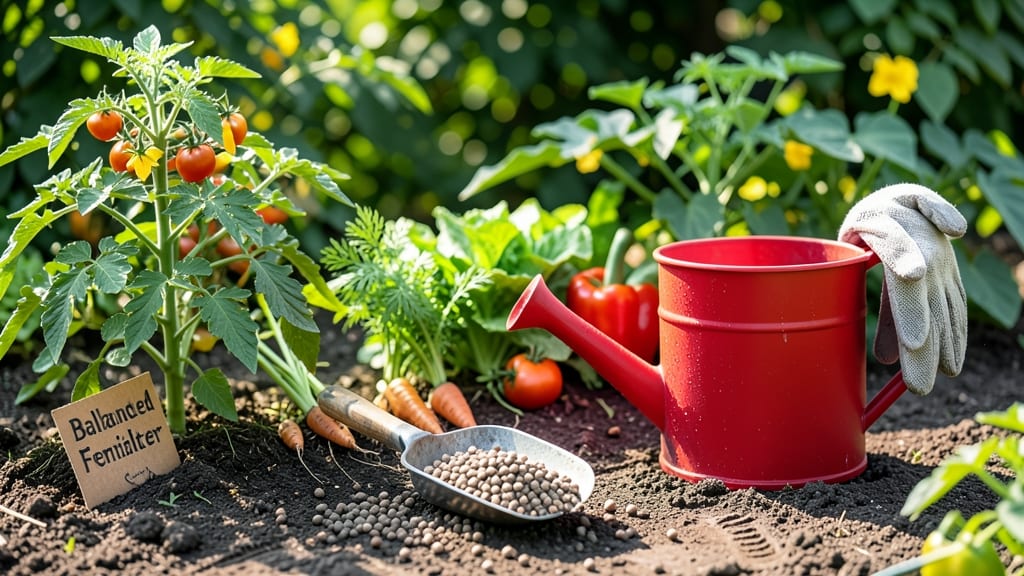
To apply fertilizer to your vegetable garden at the right time means feeding your crops when they need it most—not too early, not too late.
Picture this: you’ve just planted your seeds, and you’re eager to see them grow. But if you fertilize too soon, you’re basically handing a toddler a candy bar—too much, too fast, and they’ll just get sick.
Timing is everything, and getting it wrong can mean the difference between a bumper crop and a sad, stunted harvest.
Most vegetables need a feeding at three key stages: when you plant, when they start growing leaves, and when they’re flowering or fruiting.
But here’s the catch—some plants, like leafy greens, don’t need much nitrogen once they’re established, while others, like tomatoes, will beg for a boost when those first blossoms appear.
Below, I’ll break down the exact schedule for each stage, including when to switch from organic to synthetic (or vice versa) and how to adjust for your climate. By the end, you’ll know exactly when to reach for that fertilizer shaker—and when to leave it on the shelf.
The best fertilizer application timeline for vegetable growth stages
Fertilizing your vegetable garden isn't a one-time task—it's a seasonal dance with your plants' growth stages. Applying nutrients at the wrong time can waste resources or even harm your crops.
The key is understanding when your vegetables need fuel most: during root development, flowering, or fruiting. Fast growers like radishes need quick bursts, while slow growers such as tomatoes benefit from steady feeding over months.
Most gardeners make the mistake of fertilizing too early or too late. For example, heavy nitrogen applications when plants are flowering can lead to lush foliage but fewer fruits.
Instead, we'll break down the perfect timing for each growth phase, so you can give your garden exactly what it needs—when it needs it. Whether you're growing leafy greens or heavy producers like squash, this timeline ensures you maximize yields without overdoing it.
🌱
| Growth Stage | Best Fertilizer Type | When to Apply | NPK Ratio | Notes |
|---|---|---|---|---|
| Pre-Planting | Compost or balanced organic | 2-4 weeks before planting | 3-1-2 (N-P-K) | Improves soil structure |
| Early Growth (Seedlings) | High-nitrogen (e.g., fish emulsion) | At planting + 2 weeks later | 5-1-1 | Encourages leafy growth |
| Flowering Stage | Bloom booster (high phosphorus) | When buds appear | 2-4-2 | Supports fruit set |
| Fruiting Stage | Balanced or potassium-rich | Every 3-4 weeks | 3-3-3 or 0-0-50 | Enhances fruit quality |
| Fast Growers (e.g., radishes, lettuce) | Quick-release nitrogen | At planting + 1 week later | 6-2-2 | Harvest before flowering |
| Slow Growers (e.g., tomatoes, peppers) | Slow-release organic | Every 4-6 weeks | 4-3-3 | Long growing season |
Let's start with the pre-planting phase, which sets the foundation for your entire growing season. Two to four weeks before planting, work compost or a balanced organic fertilizer into the soil. This gives microbes time to break it down and enriches the soil structure.
For example, I always mix in aged compost and a handful of bone meal for phosphorus. This step is especially critical if your soil tests low in organic matter.
Once seedlings emerge, switch to a high-nitrogen fertilizer to encourage leafy growth. Fast-growing vegetables like spinach or lettuce respond well to a quick nitrogen boost at planting and again after two weeks.
However, avoid overdoing it—too much nitrogen can lead to leafy but tasteless produce. I recommend using a liquid fish emulsion for a gentle, effective nitrogen source during this stage.
When your plants start flowering, it's time to shift focus to phosphorus-rich fertilizers. This nutrient promotes root and flower development, helping your plants set fruit. For tomatoes and peppers, I apply a 5-10-10 fertilizer when the first buds appear.
This timing is crucial because phosphorus deficiency can lead to poor fruit set, even if your plants look healthy.
During the fruiting stage, your vegetables need a balanced approach. Potassium becomes especially important as it helps plants resist disease and improves fruit quality. I use a 3-3-3 fertilizer or a potassium-specific product like greensand every 3-4 weeks.
For heavy feeders like squash or cucumbers, I also side-dress with compost mid-season to provide a steady nutrient supply.
🌿
One common mistake is treating all vegetables the same. Fast-growing crops like radishes or green onions need quick, frequent feeding, while slow-growing varieties such as broccoli or Brussels sprouts benefit from a more gradual release.
For example, I fertilize radishes with a high-nitrogen fertilizer at planting and again after one week, but I space out applications for broccoli over six weeks.
Regional differences also play a role. In cooler climates, you might extend your fertilizing schedule into early fall for late-season crops like kale or carrots. Meanwhile, in warmer regions, you can push fertilizing into late summer for heat-tolerant vegetables.
Always adjust based on your last frost date and local growing conditions.
Finally, don't forget to monitor your plants' responses. Yellowing leaves can indicate nitrogen deficiency, while weak stems might signal a need for more phosphorus. By paying attention to these signals and adjusting your fertilizer timeline accordingly, you'll ensure your vegetable garden thrives from seed to harvest.
☀️
Plant-specific fertilizing schedules for common vegetables
Not all vegetables need fertilizer at the same time—or even the same type. Tomatoes and peppers, for example, thrive with a phosphorus-heavy boost when they flower, while leafy greens like spinach prefer nitrogen-rich feedings early in their growth.
Understanding these differences saves you time, money, and the risk of overfeeding. Let’s break down the ideal schedules for five key vegetable categories, plus when to switch between organic and synthetic fertilizers.
For tomatoes and peppers, the rule is simple: fertilize at planting, then again when flowers appear. These heavy feeders need balanced NPK (10-10-10) during flowering and fruiting stages.
Organic options like compost tea work well early, while synthetic fertilizers can provide a quick boost during fruit set. Leafy greens, on the other hand, need nitrogen-heavy feedings (like fish emulsion) at planting and during rapid leaf growth—but taper off once they bolt.
Root crops like carrots and beets are finicky. Over-fertilizing them leads to forked roots or poor storage quality. Instead, focus on a light feeding at planting with compost or a low-NPK fertilizer (like 5-5-5). Brassicas (broccoli, cabbage, kale) need consistent nitrogen but respond poorly to late-season feedings.
Aim for three feedings total: at planting, when leaves form, and before heading.
Organic vs. Synthetic Fertilizer Timing
Organic Fertilizers
- Best for: Early growth stages (planting, leafy growth)
- Examples: Compost, fish emulsion, bone meal
- Timing: Apply every 4-6 weeks during active growth
- Pros: Improves soil health long-term, slow-release
- Cons: Requires more frequent applications
Synthetic Fertilizers
- Best for: Flowering/fruiting stages (quick nutrient boost)
- Examples: 10-10-10, 5-10-10, liquid feeds
- Timing: Apply every 2-3 weeks during critical stages
- Pros: Fast results, precise nutrient control
- Cons: Can cause nutrient burn if overused
If you’re growing in containers or raised beds, fertilize twice as often as in-ground plants because nutrients leach out faster. For example, container tomatoes might need weekly liquid feedings during peak summer.
Always water fertilizer in—never apply it to dry soil—to prevent root burn. And remember: less is often more. A little fertilizer goes a long way when timed correctly.
For slow growers like onions and garlic, a single feeding at planting is usually enough. Fast growers like radishes or lettuce, however, benefit from a second feeding after 3-4 weeks to keep their growth steady.
The key is observing your plants: yellowing leaves often signal nitrogen needs, while stunted flowers mean phosphorus is lacking.
Adjust your schedule based on your climate. In hot, dry regions, fertilize early in the morning to reduce evaporation, while in cooler areas, late spring feedings work best.
Always test your soil first—even the best intentions can backfire if your soil is already nutrient-rich. A simple home soil test kit (around $20) can save you from over-fertilizing.
Start with these schedules, and soon you’ll see the difference in your harvests. The secret isn’t just what you fertilize with—it’s when you fertilize. Your plants will thank you with bigger, healthier yields all season long. 🌱