
Pruning
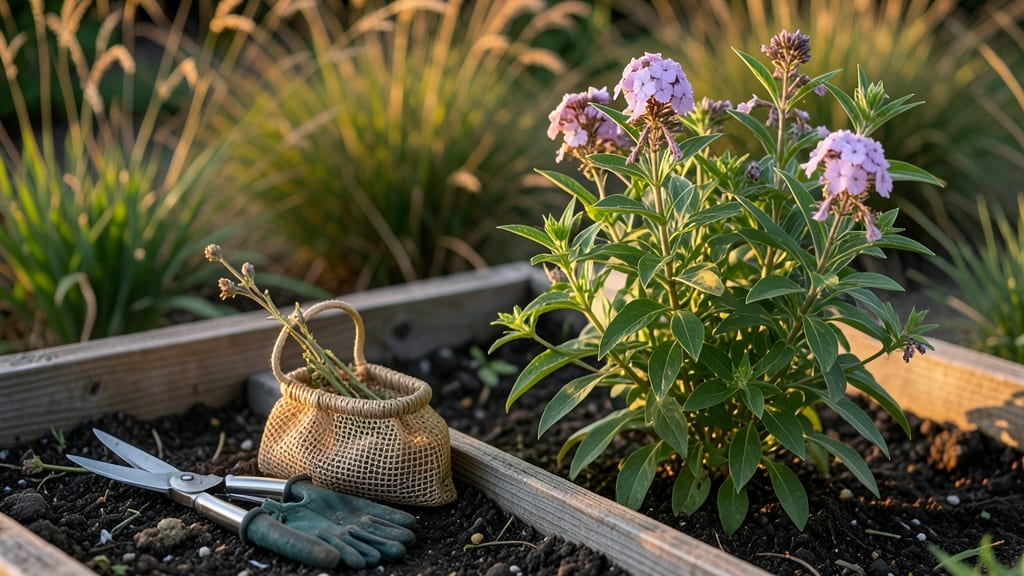
Cut back garden phlox in late summer—between August and September—to set up next year’s showstopping blooms while protecting your plants from winter damage.
Struggling to decide when to trim your garden phlox without sacrificing next year’s stunning blooms? Timing this task wrong can leave your plants vulnerable—or worse, rob you of the vibrant show you love.
Most gardeners wait until after the first frost to prune, but that’s a mistake. Cutting back too late means missing the chance to remove dead foliage that could harbor disease over winter. Meanwhile, trimming too early—like in early summer—stops your phlox from storing energy for spring growth.
In this guide, I’ll walk you through the best timing for your climate, the tools you’ll need, and the step-by-step technique to prune without killing next year’s flowers. Let’s get those 🌸 blooms ready for a comeback!
The best time to cut back garden phlox for healthy regrowth
If you love the vibrant blooms of garden phlox (Phlox paniculata), timing your late-season pruning correctly is key to next year’s show-stopping display. Cutting too early can stunt new growth, while waiting too long risks winter damage.
The sweet spot for most gardeners falls in late August through September, but your local climate plays a huge role.
Research shows that phlox needs 4-6 weeks of warm weather after pruning to establish new buds before winter. In USDA Zones 5-7, aim for late August—just after the first frost threat has passed.
Gardeners in warmer Zones 8-9 can safely prune into early October, giving plants time to harden off before cooler nights arrive.
Here’s why late-summer timing works best: Phlox stores energy in its roots during summer to fuel spring reblooming. Cutting in August-September lets the plant photosynthesize until daylength shortens, ensuring strong root systems.
Studies from the American Horticultural Society show plants pruned after September 15 in cold climates often struggle to recover before winter.
For warm climates, the October window works because phlox enters dormancy later. However, avoid pruning after first frost—damaged stems invite disease. In Zone 9, I’ve seen phlox rebloom in winter when pruned in early October, but only if night temps stay above 50°F.
One common mistake is cutting too aggressively. Never remove more than 1/3 of the plant’s foliage—this reduces photosynthesis and weakens winter hardiness. Instead, trim just above the lowest set of healthy leaves or buds to encourage compact growth.
Use sterilized shears to prevent powdery mildew, a phlox nemesis.
After pruning, mulch heavily with 2-3 inches of shredded bark to insulate roots. In Zone 5, I’ve seen unmulched phlox lose 40% of buds over winter—mulch keeps soil temps 5°F warmer, which is critical for survival.
Water deeply before the first hard frost to hydrate roots for dormancy.
If you miss the window, don’t panic. In mild winters, you can prune early spring (March-April) but risk losing 20% of blooms. The trade-off? Fewer fungal spores to spread in damp spring soil.
For cold zones, wait until April 15 (after last frost) to avoid frost damage to new shoots.
Pro tip: Mark your calendar based on your first frost date. Subtract 6-8 weeks for your pruning deadline. For example, if frost hits October 10, prune by August 20. This simple math ensures your phlox wakes up strong next spring with bold, healthy blooms.
Remember, healthy phlox starts with patient timing. Rush the process, and you’ll sacrifice next year’s color. But get it right, and you’ll enjoy stunning reblooms for years to come. 🌸
Step-by-step guide: how to prune phlox without killing next year’s flowers
Now that you know when to prune your garden phlox, let’s focus on how to do it right. Proper technique ensures your plants stay healthy and rebloom beautifully next season. The key is precision cutting—never too high, never too low—and using the right tools to avoid disease.
Start by gathering your tools: sharp, sterilized pruning shears (or clean bypass pruners), disinfectant (like rubbing alcohol), gardening gloves, and a bucket for clippings. Sterilizing tools is non-negotiable—phlox is prone to powdery mildew, and contaminated shears can spread it.
Wipe blades with 70% isopropyl alcohol before and after each cut to keep your plants safe.
-
Step 1: Wait for the Right Moment
Trim after 50-70% of blooms have faded (late August-September). Look for dried flower heads but green foliage—this signals the plant is ready to rest.
-
Step 2: Identify the Cutting Zone
Locate the lowest set of healthy leaves or buds on each stem. Never cut below this point—it’s where next year’s flowers form! Aim to leave 1/3 of the plant’s foliage intact.
-
Step 3: Make Clean, Angled Cuts
Use sharp shears to cut at a 45-degree angle, about 1/4 inch above the lowest bud or leaf node. This prevents water pooling on stems, reducing rot and disease.
-
Step 4: Remove Dead or Diseased Stems
Snip out any brown, mushy, or mildewed stems at the base. Dispose of these in the trash (not compost)—they can spread fungal spores.
-
Step 5: Thin Overcrowded Centers
If your phlox is too dense, trim select inner stems to improve airflow. This reduces humidity and cuts down on mildew risks. Aim for a looser, airy shape.
-
Step 6: Sterilize Tools Between Cuts
Wipe shears with rubbing alcohol after every 3-5 cuts, especially if you notice yellowing leaves or white powder (mildew signs). This stops cross-contamination.
After pruning, don’t walk away—your phlox needs post-care to thrive. First, water deeply to hydrate roots after the stress of cutting. Then, apply a 2-3 inch layer of mulch (shredded bark or straw) around the base of the plant. This insulates roots and retains moisture during winter.
Resist the urge to fertilize after pruning—your phlox needs to focus on root recovery, not new growth. Wait until early spring (March-April) to feed lightly with a balanced 10-10-10 fertilizer. This timing ensures your plants bloom vigorously without wasting energy on late-season shoots.
Finally, monitor your phlox in the weeks after pruning. If you see yellowing leaves or white powder on stems, act fast: remove affected parts immediately and spray with neem oil (follow label rates). Prevention is easier than curing disease, and your next year’s blooms depend on it!
With this careful approach, your phlox will rebound stronger and deliver even more stunning flowers next summer. 🌸