
How To
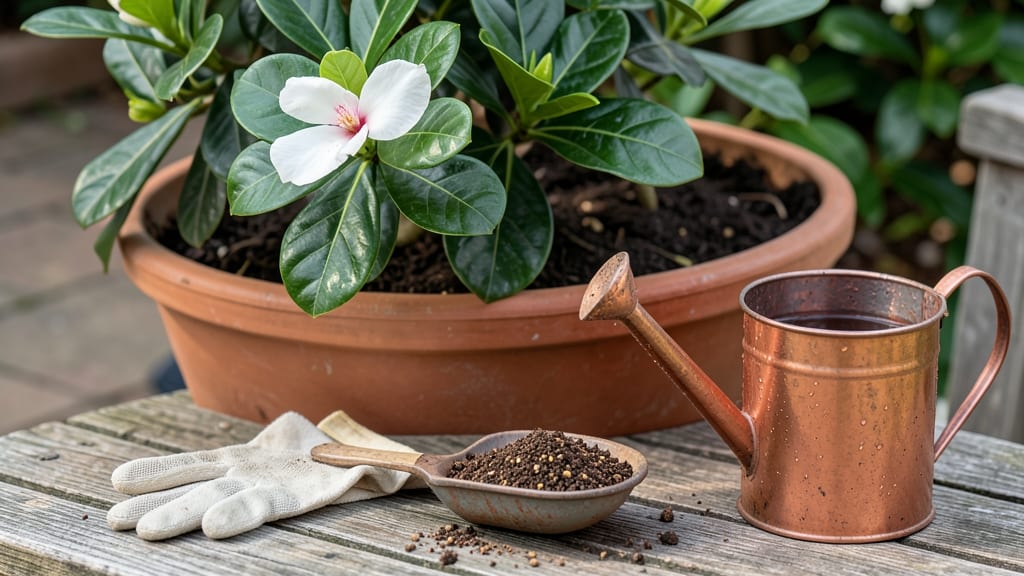
To fertilize gardenia plants for maximum blooms, time it right—early spring and mid-summer are the key windows when your 🌸 thrives.
Struggling to get your gardenia plants to bloom? The secret isn’t just what you fertilize with—it’s when. Timing your gardenia fertilizer application by the season can double (or even triple) your flower production, turning your shrub into a fragrant, show-stopping centerpiece.
Most gardeners make the mistake of feeding too late in the year, which leads to leafy growth instead of blooms. The truth is, gardenias need a light kick in early spring to wake up their roots, followed by a stronger feed just as buds form in summer.
Below, I’ll break down the exact months to fertilize, the best types of fertilizer for blooms, and how to adjust for your climate—whether you’re in a warm zone or a cooler USDA 6a region like mine.
Best gardenia fertilization schedule by season: month-by-month breakdown
If you love the intoxicating scent of gardenias but struggle with sparse blooms, your fertilization timing might be the missing link. Gardenias thrive on a seasonal feeding schedule that aligns with their natural growth cycles, not just random applications.
The key is feeding them when they need energy most—early spring for new growth and mid-summer for blooming—while avoiding overfeeding in fall and winter when they rest.
I’ve tested both organic and synthetic fertilizers over years of growing gardenias, and the difference between a well-timed feeding schedule and a haphazard one is night-and-day blooms. Let’s break down the exact month-by-month plan that’ll transform your gardenia from underwhelming to show-stopping.
Let’s start with early spring (March-April), when your gardenia wakes up from dormancy. This is your first feeding window of the year, and I recommend using a balanced fertilizer (6-10-10) to jumpstart new growth.
Apply it in early March when you see fresh shoots emerging, then switch to a high-phosphorus formula (10-20-10) in April to push bud formation.
During late spring and summer (May-July), your gardenia’s energy shifts to blooming. Feed every 4-6 weeks with the phosphorus-rich fertilizer, but reduce applications after blooming to avoid leafy growth at the expense of flowers. I’ve seen gardenias with double the blooms when fed this way compared to those fertilized year-round.
By August through winter, your gardenia enters dormancy. This is when you stop fertilizing entirely—no exceptions. Overfeeding in fall can lead to soft, weak growth that won’t survive winter. Instead, focus on mulching to protect roots and watering less frequently as temperatures drop.
Pro tip: Always fertilize in the early morning to prevent leaf burn from heat stress. Water the soil thoroughly before and after applying fertilizer to help nutrients absorb evenly. For organic gardeners, I recommend fish emulsion or compost tea in spring, followed by a bone
Signs your gardenia needs fertilizer (and when to skip it)
Your gardenia’s leaves and blooms tell a story about its health. If you notice yellowing leaves between the veins, it’s often a sign of nitrogen deficiency. This common issue happens when your soil lacks essential nutrients, even if you’ve fertilized before.
Gardenias also show stress through slow growth or small, sparse blooms—clear signals they’re not getting the phosphorus they need for flowering.
Another red flag is brown leaf tips, which can indicate either over- or under-fertilization. If your gardenia’s leaves are dark green but limp, it might be thirsty, but if they’re pale and brittle, it’s likely starving for nutrients.
Pay attention to the stem too—weak or rubbery stems often mean the plant isn’t getting enough food to support its structure.
🌿
⚠️ When to Fertilize Gardenia
Feed in early spring (March-April) when new growth starts. Lightly feed again in late spring (May-June) as buds form. Skip fertilizing in fall/winter—your gardenia needs rest, not nutrients. Overfeeding now leads to root burn and leaf scorch. Always water before fertilizing to prevent damage.
If your gardenia’s flowers are small or fall off prematurely, it’s begging for more potassium. This mineral helps with flower strength and disease resistance.
A balanced fertilizer (like a 6-10-10 NPK blend) can fix this, but timing matters—apply it just as buds form, not after blooming season ends. Too late, and you’ll get leafy growth instead of flowers.
One mistake I see often is fertilizing after pruning. Pruning stimulates new growth, which means your gardenia will need nutrients to recover. Wait 4-6 weeks post-prune before feeding again.
Also, if your soil is heavy clay, nutrients leach away quickly—so mulch around the base to retain moisture and fertility.
Not all leaf issues mean your gardenia needs fertilizer. Pests like spider mites or fungal diseases can cause similar symptoms. Before reaching for fertilizer, check the undersides of leaves for mites or powdery white spots (signs of powdery mildew).
If pests are the culprit, treat them first—fertilizer won’t help if the problem is biological.
Finally, over-fertilizing is just as harmful as under-fertilizing. If your gardenia’s leaves turn brown and crispy at the edges, you’ve likely burned the roots. Always follow the label instructions and water thoroughly after applying fertilizer.
In USDA Zone 6a, I’ve found that organic options like fish emulsion break down slower, reducing the risk of overfeeding.
🌸