
Picking
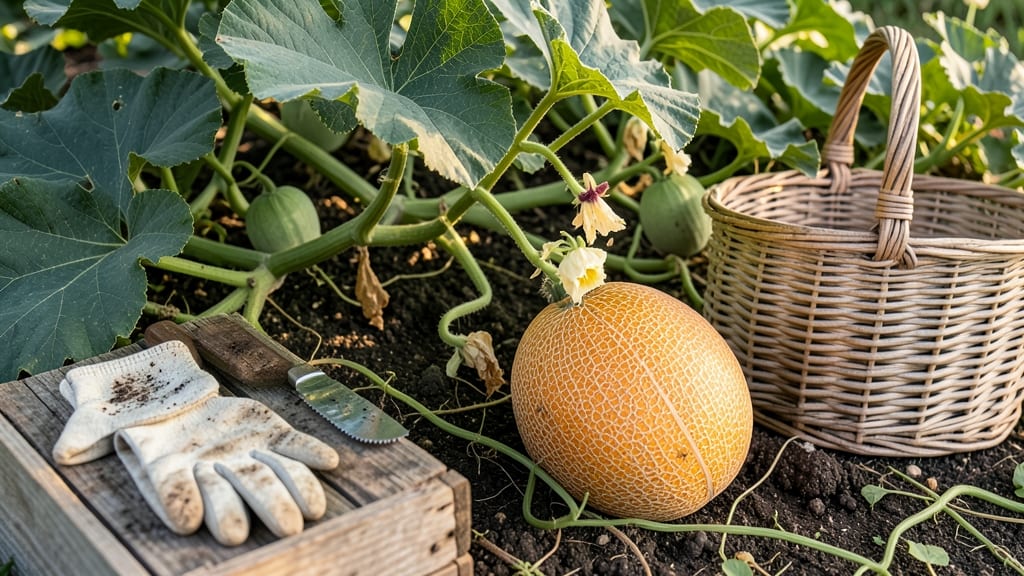
Knowing when to harvest cantaloupe from the garden at the right moment means the difference between a sweet, juicy reward and a bland, seedy disappointment — and the key is knowing exactly when to pluck them from the vine.
Picture this: you’ve waited months for your 🍈 to ripen, only to cut into one that’s still hard or tastes like nothing. That’s why timing is everything — and it’s not just about guessing.
I’ll show you the three foolproof signs that tell you, without a doubt, when your melons are ready to harvest.
From the way the skin changes color to the telltale scent near the stem, these cues are your shortcut to peak flavor. You’ll also learn what happens if you harvest too early (spoiler: it’s a waste of time) and how to salvage mistakes before they ruin your harvest.
By the end, you’ll never second-guess when to pick your cantaloupe again — just follow the science and enjoy melons that taste like summer in every bite.


3 Visual and physical signs your cantaloupe is ready to harvest
There’s nothing worse than biting into a cantaloupe that’s either underripe and bland or overripe and mushy. The key to perfect flavor lies in knowing the exact moment your garden’s cantaloupes reach peak ripeness.
Unlike some fruits that ripen off the vine, cantaloupes must be harvested at the right time—when they’re sweet, aromatic, and ready to eat. I’ve learned the hard way that waiting too long can mean losing that prized sweetness, while picking too soon means sacrificing texture and taste.
The good news? Cantaloupes give you clear visual and physical cues that scream “harvest me now!” From the color of the skin to the way the fruit behaves on the vine, these signs are your foolproof guide.
Mastering them will ensure you enjoy cantaloupes at their absolute best—bursting with that signature musky sweetness and creamy texture. Let’s break down the three unmistakable signals that your cantaloupe is finally ready to pick.
Cream or Tan Underside Near Stem
Check the skin where the fruit meets the vine. A ripe cantaloupe will have a cream-colored or tan blush here, not white or green. This is called the ‘beard’ or ‘netting’, and it’s your first clue.
Fruit Slips Easily from Vine
Gently wiggle the cantaloupe while holding the vine. If it detaches with slight pressure, it’s ready. If it’s still firmly attached, wait 1-2 days. This vine separation is a sure sign ripeness.
Sweet, Musky Aroma Near Stem
Sniff the blossom end (stem side). A ripe cantaloupe will emit a strong, sweet, musky scent. If it smells neutral or sour, it’s not ready yet. This aroma is your final confirmation.
The cream-colored underside is often the first sign I look for because it’s the most reliable. I’ve found that cantaloupes left on the vine past this stage can become overripe and seedy, losing that perfect balance of sweetness and texture.
The color change happens because the chlorophyll breaks down as the fruit matures, revealing the natural tan or cream hue underneath.
Don’t overlook the vine separation test—this is where many gardeners go wrong. I once harvested a cantaloupe that didn’t slip easily, and it turned out to be hard and bland.
The vine’s natural response to a ripe fruit is to release it gently, making the harvest process almost effortless. If you’re tugging or forcing it, the fruit isn’t ready yet.
The scent test is my favorite because it’s the most subjective and accurate. A ripe cantaloupe should make your mouth water just from the smell. If you’re standing near your garden and can detect that sweet aroma from a few feet away, you’re in luck—your cantaloupes are nearly ready.
Pro tip: Avoid harvesting in the heat of the day because the scent can be stronger when the air is warm, leading to false positives.
One common mistake I see is harvesting based on size alone. Just because a cantaloupe looks big doesn’t mean it’s ripe. I’ve picked oversized but underripe cantaloupes that were rock-hard inside.
Always combine these three signs—color, vine slip, and scent—for the most accurate results. If two out of three are present, give it another day or two.
Timing is everything when it comes to cantaloupe harvests. If you’re in USDA Zone 6a, like me, your cantaloupes typically ripen between mid-July and early August. But environmental factors like temperature and sunlight can shift this window.
For example, a hotter-than-usual summer might speed up ripening, while cooler weather can delay it. Keep an eye on your plants and adjust your expectations accordingly.
Once you’ve confirmed ripeness, harvest with care. Use a sharp knife or pruners to cut the stem about an inch above the fruit. This prevents damage to the vine and allows the cantaloupe to ripen fully off the vine if needed.
Store them in a cool, dry place (around 50-55°F) to preserve their flavor and texture for up to a week.
Mastering these three signs will transform your cantaloupe harvest from hit-or-miss to consistently delicious. Next time you’re in your garden, take a moment to check for these cues—your taste buds will thank you!
The next time you slice into a cantaloupe that’s bursting with sweetness, you’ll know it’s because you nailed the harvest timing. 🍈
How to test cantaloupe ripeness beyond just looking (taste and smell methods)
Visual cues like skin color and vine separation are a great start, but they don’t tell the whole story. The real magic happens when you engage your sense of smell and touch.
These extra tests reveal whether your cantaloupe is truly at its peak—ready to burst with flavor—or still hiding its sweet potential.
Think of it like tasting coffee beans before brewing: you wouldn’t guess the flavor just by looking. The same goes for cantaloupe. The thump test, stem scent, and blossom-end trick are my go-to methods for confirming ripeness before I even consider harvesting.
Trust me, these tricks save you from cutting into a melon that’s still tough or bland.
⚠️ callout-warning ⚠️
The thump test is my favorite trick because it’s quick and foolproof. Hold the cantaloupe in one hand and gently tap the side with your knuckles. A ripe cantaloupe will sound hollow or dull, like knocking on a wooden door. If it sounds more like a thud, it’s not ready yet. This test works because ripe melons have softer flesh that changes the sound when tapped.
Next, give the stem end a sniff. A ripe cantaloupe releases a sweet, musky aroma near the blossom end (the side that was attached to the vine). If you’re not getting that scent, wait a few days.
Pro tip: The stronger the smell, the sweeter the melon. I’ve found that cantaloupes grown in hotter climates often have a more intense scent—so don’t be surprised if yours smells like a summer picnic!
Finally, check the blossom-end (the flat side where the stem was attached). If the skin near the stem has turned from white or green to cream or tan, that’s a green light. But here’s the kicker: press your thumb gently on the blossom end.
If it gives slightly and feels soft, your cantaloupe is ready. If it’s still firm, it needs more time on the vine.
Putting it all together, these methods ensure you’re harvesting at the perfect moment—when sweetness peaks and texture is just right. Now you can confidently pick your cantaloupe, knowing you’ve mastered the art of testing ripeness beyond just looking. 🍈