
Picking
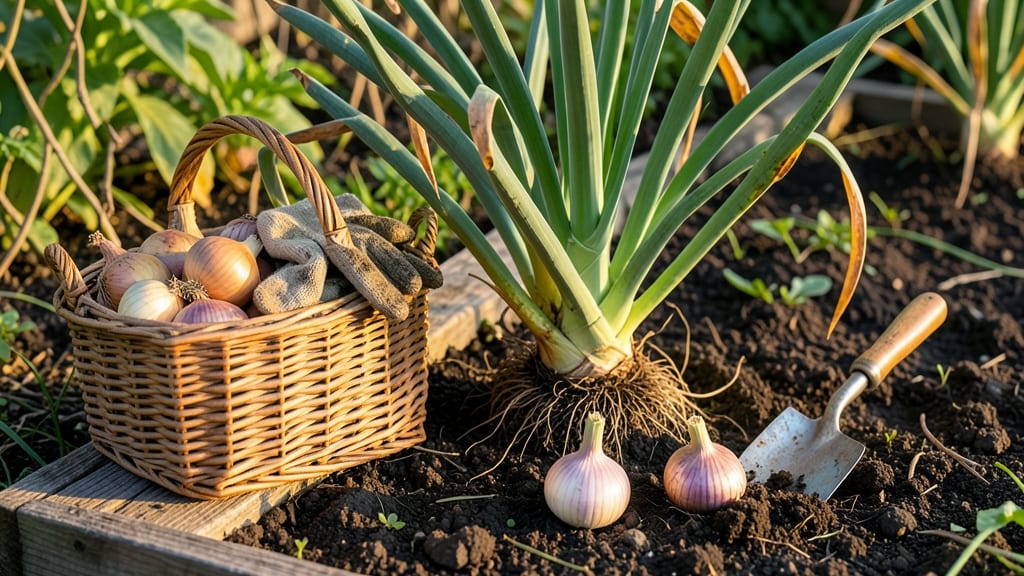
Harvesting onions from the garden at the right time ensures you get sweet, flavorful bulbs instead of tough or pungent ones.
Picture this: you’ve spent months nurturing your 🧅 plants, only to pull them too early and end up with small, weak onions—or wait too long and watch them rot in the soil. The perfect harvest window is all about timing based on soil conditions, bulb size, and leaf signals.
In most regions, onions are ready to harvest in late summer, but fall-planted varieties may need to wait until September or October. The key is checking for yellowing tops, firm bulbs, and a tight neck—signs that your onions are primed for picking.
Below, I’ll walk you through the three soil tests that guarantee peak flavor, plus how to dry and store your harvest for maximum shelf life. No more guesswork—just perfect onions every time.


3 Key soil conditions that signal perfect onion harvest time
Knowing exactly when to harvest onions from your garden ensures you get flavorful bulbs instead of tough, pungent disappointments. The secret lies in three critical soil conditions that reveal when your onions are ready.
These indicators—soil moisture, bulb size, and leaf color—work together to give you the perfect harvest window.
First, let’s talk about soil moisture, which plays a surprisingly big role in determining harvest readiness. Overly wet soil can delay maturity, while dry conditions might trick you into harvesting too early.
The ideal soil should feel lightly moist but not soggy—like a well-wrung sponge. This balance ensures your onions develop properly without stress.
Next, pay close attention to the size of the bulbs buried beneath the soil. When onions are ready for harvest, their bulbs typically reach 1 to 2 inches in diameter.
You can gently dig around the base to check without disturbing the entire plant. This size is a reliable indicator that the onion has stored enough nutrients for flavorful storage.
Finally, the most visible clue comes from the leaf tops. When the green tops turn yellow or brown and begin to flop over, it’s a clear signal that the bulb below is mature and ready to harvest.
This natural process happens when the plant redirects energy from the leaves to the bulb, signaling it’s time to pull them from the soil.
Here’s a quick reference to help you spot these signs at a glance:
| Condition | Ready Signs | Action |
|---|---|---|
| Soil Moisture | Lightly moist, not soggy | Check with finger; harvest if dry |
| Bulb Size | 1-2 inches in diameter | Gently dig to confirm firmness |
| Leaf Color | Yellow/brown and flopping | Pull when 50% of tops yellow |
One common mistake gardeners make is waiting too long after the tops turn yellow. If left in the ground, the bulbs can split or rot, especially in wet conditions.
Aim to harvest within 1 to 2 weeks after the tops start yellowing to avoid this issue. The longer you wait, the higher the risk of losing your hard-earned harvest.
Another critical factor is the time of day you harvest. Early morning is ideal because the soil is cool and moist, making it easier to pull onions cleanly without damaging the bulbs.
Harvesting in the heat of the day can stress the plants and lead to bruising, which shortens their shelf life.
For storage onions, like yellow or red varieties, you’ll want to let them cure in the sun for a few hours after harvesting. This process thickens the skin and helps them store longer.
On the other hand, green onions or scallions should be harvested earlier, when the bulbs are small and the tops are still green, for the best flavor in salads and stir-fries.
If you’re unsure whether your onions are ready, perform a simple bulb firmness test. Gently squeeze the bulb—it should feel firm, not soft or mushy. A soft bulb indicates it’s not fully mature, while a firm one is ready for harvest.
This test is especially useful if the soil is too hard to dig or the tops aren’t fully yellow yet.
By paying attention to these three key soil conditions, you’ll avoid the most common harvesting mistakes and enjoy onions that are sweet, flavorful, and perfect for storage. The next step? Learn how to test these conditions yourself with simple DIY methods—coming up next!
How to test soil for ideal onion harvesting (DIY methods)
Testing your soil is the best way to confirm your onions are ready for harvest without guesswork. I’ve used these simple DIY methods for years to avoid overripe or underdeveloped bulbs.
The key is combining three quick tests: the finger squeeze, the bulb lift, and the leaf twist. Each test gives you a different piece of the puzzle to ensure perfect timing.
Start with the soil moisture test. Stick your finger about 2 inches into the soil near your onion plants. If it feels like a damp sponge—moist but not dripping—your onions are likely ready.
Too dry? They may need more time. Too wet? They could rot if harvested soon. This test takes just 5 seconds and prevents one of the biggest harvesting mistakes.
Next, perform the bulb lift test. Gently grasp a plant near the base and lift upward. If the bulb slides out easily with minimal resistance, it’s ready. If it resists or feels loose, wait a few days.
This method works even when the tops aren’t fully yellowed, giving you an early warning system for harvest readiness.
For the final check, use the leaf twist test. Take a leaf between your fingers and twist gently. If it snaps cleanly without resistance, the bulb is mature. If it bends or tears, the plant needs more time.
This test is especially useful for green onions, which should be harvested when leaves are tender but still green.
Green Onions
- 🟢 Harvest when leaves reach 6-8 inches
- 🟢 Pull entire plant or cut 2 inches above soil
- 🟢 Best flavor when bulbs are pencil-thin
- 🟢 Regrow if cut 1 inch above roots
Storage Onions
- 🟡 Wait until tops yellow and flop
- 🟡 Bulbs should be 1-2 inches in diameter
- 🟡 Cure in sun for 3-5 hours after harvest
- 🟡 Store in dry, cool, dark place
Timing matters most for storage onions. Harvest them in the morning after the dew dries but before the sun peaks. This prevents bruising and ensures the bulbs stay firm.
For green onions, you can harvest multiple times throughout the growing season by cutting just above the soil line—this encourages regrowth for continuous harvests.
One pro tip: If you’re unsure, harvest a few test onions first. Cut them open to check the bulb size and maturity. This small sacrifice saves your entire crop from being harvested too early or too late.
The goal is to catch onions at their peak—when they’re firm, flavorful, and ready for storage or immediate use.
Remember, onions are most flavorful when harvested at the right stage. Use these tests to become a harvesting expert in your garden. With practice, you’ll develop an eye for the perfect moment—no more tough, pungent bulbs or mushy disappointments!