
Picking
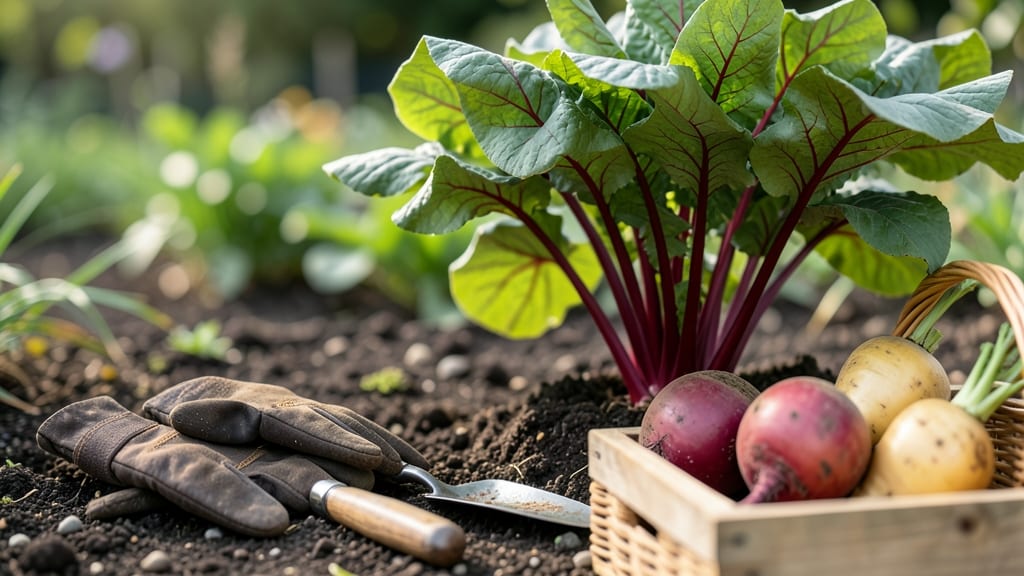
Picking beetroot at the right time means the difference between a tender, sweet root and a tough, bitter mess—so timing your harvest is the key to garden success.
Picture this: you’ve nurtured your 🍠 for weeks, only to pull a woody, oversized root that’s more like eating a rubber band than a salad. That’s the frustration of waiting too long, and it’s completely avoidable with the right cues.
Below, I’ll walk you through the three visual signs that tell you when your beetroot is ready—plus how to avoid the pitfalls of overgrowth and bolting in warmer climates.
You’ll learn how to check for the perfect size, the right color, and the firmness that guarantees sweetness, so you never miss the window for a perfect harvest again.


3 Visual cues to know when beetroot is ready for harvest
Knowing exactly when to harvest beetroot transforms your garden yield from tough, woody messes to sweet, tender roots. The secret lies in three key visual cues: root size, leaf color, and skin texture.
Each clue reveals whether your beetroot is at its peak—ready to be pulled from the soil for the best flavor and texture. Ignore these signs, and you risk roots that become bitter or fibrous, ruining your harvest.
Beetroot plants mature at different rates depending on your climate zone and variety. In cooler regions like USDA Zone 6a, roots typically reach harvest size in 60-75 days after planting.
But heat can speed things up—especially in summer months—so always check these visual cues rather than relying on days alone. The earlier you spot these signs, the sooner you can enjoy homegrown beets at their best.
Use a ruler to check diameter—goldilocks zone is between a golf ball and a tennis ball. Smaller roots (under 1 inch) are underdeveloped, while larger ones (over 3 inches) risk becoming woody.
Healthy leaves should be bright green and 4-6 inches tall. Yellowing or wilting leaves signal stress—either over-maturity or drought. Cut back foliage to 2 inches to redirect energy to the root.
Run your fingers over the soil-covered root—smooth skin means peak sweetness. Rough or grainy texture indicates the root has passed its prime. Gently wiggle the plant to test resistance in the soil.
Seasonal variations play a huge role in these cues. In spring-planted crops, beetroot may take longer to reach harvest size due to cooler soil temperatures. But by late summer, roots can mature faster—sometimes in as few as 50 days—so stay vigilant.
Pro tip: Early varieties like 'Detroit Dark Red' mature faster (around 50-60 days), while heirlooms like 'Chioggia' take closer to 70 days.
Don’t wait until the leaves start bolting (sending up flower stalks)—this is a clear sign your beetroot has over-matured. Bolting triggers bitterness and toughens the roots, making them less enjoyable to eat.
Instead, harvest when the leaves are still lush and the roots feel firm but yielding when pressed gently. This balance ensures the best flavor profile.
For child beet varieties like 'Little Ball' or 'Babybeat,' the size threshold drops to ½-1 inch in diameter. These tiny roots are sweeter and more tender, perfect for quick cooking or salads.
Check their maturity by comparing them to common objects—think marbles or ping-pong balls—for an easy reference. Smaller roots also store better, so harvest them slightly earlier than larger varieties.
One common mistake gardeners make is digging too late because they assume bigger roots are better. But oversized beetroot (over 3.5 inches) often develops a woody core and loses its natural sweetness. The key is consistent monitoring: check your plants every 3-5 days once they near maturity.
Use a soil probe to gently lift a test root—if it meets all three cues, it’s harvest time.
After harvesting, store beetroot in a cool, dark place (like a root cellar or fridge) for up to 2 weeks. Remove excess soil and trim the greens to ½ inch above the root to extend shelf life.
The fresher you eat them, the sweeter they’ll taste—so plan your harvests to align with your cooking schedule. For example, late summer harvests work perfectly for winter storage.
If you’re growing beetroot in containers, watch for maturity cues more closely since roots have less space to expand. In pots, harvest when roots reach 1-2 inches in diameter to prevent crowding.
Container-grown beets also benefit from regular thinning—remove smaller roots early to give the remaining plants room to grow to ideal size.
Remember: the sooner you harvest after spotting these visual cues, the better your beetroot will taste. Waiting even a few extra days can turn a perfect root into a tough, less flavorful one.
Keep these three cues in mind—size, color, and texture—and you’ll always know when your beetroot is at its peak. Happy harvesting! 🌱
How to check beetroot maturity without digging—and when to stop waiting
Checking beetroot maturity without digging is a game-changer for gardeners who want to avoid over-mature, woody roots. The key lies in observing subtle but critical signs above ground. Start by examining the leaf color—healthy beetroots develop vibrant, deep green foliage.
If the leaves turn yellow or wilt, it’s a red flag that the root may be overripe or stressed.
Another reliable indicator is the leaf size and shape. Mature beetroots typically have leaves that are 4-6 inches tall with broad, rounded edges. If the leaves are much larger or starting to bolt (send up flower stalks), the root has likely passed its prime.
This is especially true in warm climates where beetroots bolt quickly in response to heat.
Now, let’s talk about the soil resistance test, a non-invasive way to gauge root size. Gently press your thumb into the soil around the base of the plant. If you feel resistance from a firm, rounded object about 1-3 inches in diameter, that’s your cue to harvest.
This method works best in loose, well-drained soil where roots expand freely.
⚠️ Warning: Over-Mature Beetroots Ruin Flavor!
If you ignore these signs, your beetroots will become woody, tough, and bitter. Over-mature roots develop a rough, cracked skin and may even split open. Worse, the greens turn bitter and stringy, making them inedible. Stop waiting once you see these warning signs:
- Leaves yellowing or wilting → Root is stressed or rotting
- Flower stalks forming → Plant is bolting (root is past prime)
- Soil feels spongy around roots → Root may be rotting
Don’t forget to check for root shape by gently brushing away soil with your fingers. If the root is round and smooth with no deep grooves, it’s ready.
Irregular shapes or deep indentations signal uneven growth, often due to poor soil conditions or overcrowding. Always harvest in the morning when roots are firmest and most flavorful.
For child beets (smaller, tender varieties), aim for a diameter of ½-1 inch. These can be harvested earlier for a sweeter, more delicate flavor. Use a hand trowel to dig carefully, leaving the larger roots in the ground to mature further.
This staggered approach ensures a continuous harvest and prevents over-maturity.
If you’re unsure, cut back the greens to 2 inches above the soil. This encourages the root to focus on storage rather than leaf growth, often improving sweetness.
Just remember: once the greens turn bitter or the soil feels hollow when pressed, it’s too late. Act fast to enjoy the best flavor from your garden!