
Picking
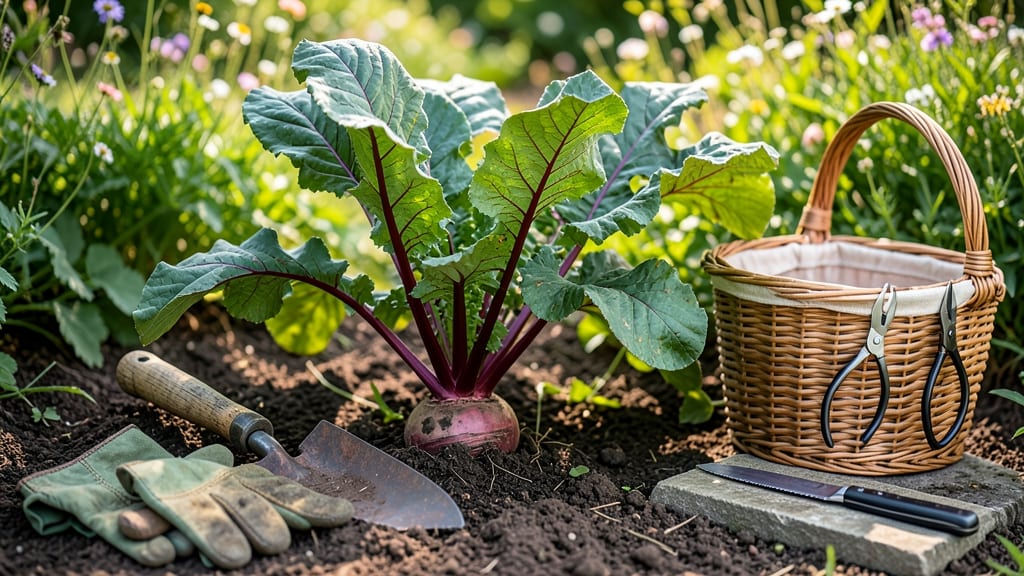
To pick beets from your garden at their sweetest, aim for when roots reach 1–3 inches in diameter and the tops are 3–4 inches tall—this is the peak flavor window before they turn woody.
Beets that stay in the ground too long turn tough and woody—while harvesting too early means missing out on their sweetest, most flavorful peak. Timing your beet harvest correctly can mean the difference between a disappointing bite and a garden-fresh delicacy.
You’ll know they’re ready when the tops are vibrant and the roots feel firm but not rock-hard when gently squeezed in the soil. A quick tug should pull them free without leaving a mess behind.
Below, I’ll walk you through the best soil checks, seasonal timing, and what to watch for to ensure your 🍠 harvest is always at its best—no more guesswork, just perfect beets every time.


How to check beet size and soil conditions for perfect harvest timing
Knowing when to pick beets from your garden isn't just about guessing—it's about reading subtle clues from the plant and soil. Beets mature at different rates depending on whether you're growing baby beets (harvested young) or mature beets (full-sized).
The key lies in checking three things: root diameter, leaf color, and soil resistance when you dig.
For most varieties, beets reach harvest readiness between 45 to 60 days after sowing, but timing varies.
Baby beets (like 'Babybeat' or 'Detroit Dark Red') are perfect when roots are 1 to 2 inches wide, while mature beets (like 'Golden' or 'Chioggia') should be 2 to 3 inches in diameter.
The soil test is just as important—dry, hard soil can trick you into thinking a beet is ready when it’s not.
Here’s how to check everything accurately with a foolproof method:
One common mistake is waiting too long for beets to "get bigger." After 60 days, beets start developing woody fibers and bitter flavors. If you miss the window, try harvesting the greens instead—they’re edible and packed with nutrients, though less sweet than the roots.
For continuous harvests, plant beets in succession every 2 weeks during the growing season. This ensures you always have fresh, tender beets ready to pick. If you’re growing striped or golden varieties, their colors deepen as they mature—so wait until the hues are fully vibrant before harvesting.
Pro tip: Use a small hand trowel to dig around the beet’s edges first. This reduces soil disturbance and helps you gauge the root’s true size without uprooting it prematurely. If the soil feels compacted, loosen it with a fork before planting to encourage even growth.
Remember, soil temperature matters. Beets grown in cool weather (50-75°F) develop sweeter flavors. If your summer heat exceeds 80°F, provide afternoon shade to prevent bolting (premature flowering), which makes roots tough and inedible.
With these steps, you’ll never guess when to pick beets again—just follow the plant’s cues and enjoy harvests that are crisp, sweet, and perfectly timed every time. 🌱
Signs your beets are overripe (and how to fix it)
Overripe beets are a common gardener’s mistake—once they develop a woody texture or bitter taste, their sweetness fades fast. The good news? You can often salvage them by adjusting your harvest timing and soil care next season.
Start by watching for these telltale signs of overmaturity in your 🍠 plants.
First, check the leaf color. Healthy beet greens stay vibrant, but overripe plants develop yellowing or brown edges. This happens when the plant redirects energy from leaves to the thickening roots.
Next, dig up one beet to inspect the root texture—if it feels rock-hard or shriveled, it’s past its prime.
Another red flag? The taste test. Cut into a suspect beet and look for a hollow center or fibrous strands. These are clear indicators the beet has overstayed its welcome in the soil.
Even if you don’t notice these signs immediately, they’ll appear within 5–7 days past ideal harvest time.
⚠️ When to Pick Beets from Garden: Critical Timing Cues
Don’t wait until your beets show these overripe signs—act now! The ideal harvest window is when roots reach 1–3 inches in diameter and tops are 3–4 inches tall. Use these soil checks to avoid mistakes:
- Gentle pull test: Grasp a beet top and tug—it should come out cleanly without resistance.
- Firm but not hard: Press the root with your thumb; it should yield slightly, not feel like wood.
- Color consistency: Deep, even hues (no pale or striped patches) signal peak sweetness.
🚨 Pro Tip: Harvest in the morning after watering—soil is moist, roots slide out easily, and flavor is at its peak!
To prevent overripe beets next season, focus on soil moisture. Beets need consistent watering (about 1 inch per week) but hate soggy soil. Let the top 1 inch of soil dry between waterings to avoid stressing the plants.
Overwatering can lead to bolting (premature flowering) or splitting roots, both of which accelerate overripeness.
Companion planting also helps! Pair your beets with garlic, onions, or brassicas like cabbage to deter pests that stress plants. Avoid planting near pole beans or sunflowers, which compete for nutrients and can stunt growth. A well-balanced garden ecosystem keeps your beets sweet and tender longer.
If you’ve already ended up with a batch of overripe beets, don’t toss them! Peel, cube, and roast them—they’ll develop a nutty, earthy flavor perfect for soups or stews.
For future harvests, mark your planting calendar 50–60 days after sowing as your harvest deadline. Set a reminder to check your beets weekly once they near maturity!