
Picking
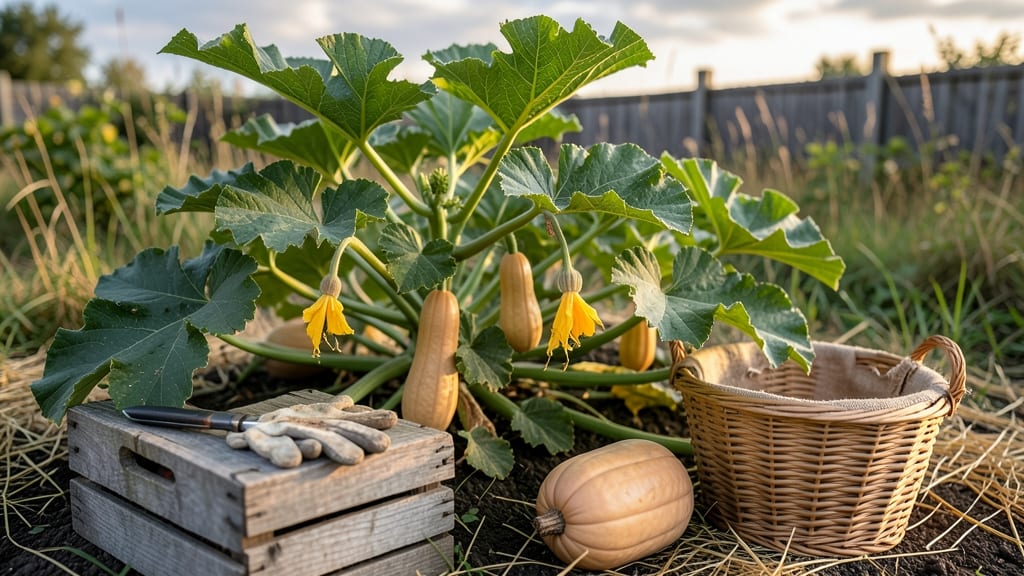
Picking butternut squash at the right time ensures sweet, tender flesh and avoids wasted effort in your garden 🎃 — and the window is narrower than you might think.
Harvesting too early means tough, watery squash, while waiting too long risks frost damage or shriveling vines. The key is catching those 3 telltale signs that signal peak ripeness, which I’ll break down so you never miss the sweet spot.
First, check the skin: it should turn a deep tan or beige and feel hard when pressed. Next, look for a dried, woody stem end — that’s your cue to grab the knife. Finally, if the vine starts yellowing, it’s time to act fast before the flavor fades.
Below, I’ll walk you through these visual cues, how weather affects timing, and the best storage tricks to keep your harvest fresh for months.
3 Telltale signs your butternut squash is ripe for harvesting
Butternut squash is one of those rewarding garden crops where timing makes all the difference. Picking too early means watery, underdeveloped flesh, while waiting too long risks overripe, stringy texture. The key is recognizing these three clear visual and tactile cues that guarantee peak flavor and sweetness.
I’ve learned from years of gardening that these signs are foolproof—once you know what to look for, harvesting becomes straightforward.
First-time growers often struggle with the question: "When is my butternut squash really ready?" The answer lies in combining skin color changes, stem condition, and seed development. These three indicators work together like a checklist—when all three are present, you’re golden.
I’ll walk you through each one so you can confidently harvest your squash at its absolute best, avoiding the common pitfalls that lead to disappointing results.
-
1
Skin Color Deepens to Tan or Beige
Mature butternut squash transitions from pale green to a dull tan or beige. Press your fingernail into the skin—if it doesn’t puncture easily, it’s ready.
-
2
Stem End Dries and Hardens
The stem end (near the vine) should feel dry and woody, not green or fresh. If it snaps easily when bent, your squash is perfect for harvesting.
-
3
Seeds Become Hard and Fully Developed
Cut open a small test squash to check seed development. If the seeds are plump and dark brown, the flesh will be sweet and firm. Avoid harvesting if seeds are still soft or white.
🌱 Pro Tip: Harvest on a dry morning to prevent soil from sticking to the skin, making storage easier.
One mistake I see gardeners make is relying solely on days to maturity (85–100 days after planting) without checking these visual cues. While the timeline is a good starting point, environmental factors like temperature fluctuations or uneven sunlight can delay ripening.
That’s why I always cross-reference the skin hardness and stem condition—these are the most reliable indicators, regardless of growing conditions.
Another common question is whether to harvest before the first frost. While butternut squash can tolerate light frosts, the skin softens and flavor deteriorates if left on the vine too long.
If frost is forecasted, prioritize harvesting based on the stem drying sign—don’t wait for perfect skin color if the weather turns. I’ve had to rush harvests before, and the squash still stored beautifully when cured properly.
For the best flavor, aim to harvest when the skin is hard and dull, not shiny or green. Shiny skin means the squash is still absorbing moisture from the vine, while a dull finish indicates it’s fully matured.
I like to test this by pressing my thumbnail into the skin—if it leaves no mark, it’s ready. This simple trick has saved me from harvesting squash that was still too young in previous seasons.
Don’t overlook the vine’s condition as a secondary cue. When the main vine yellows and dies back, it’s a signal that the plant is redirecting energy to the squash.
However, this isn’t always a primary indicator—some varieties may still produce while the vine looks healthy. Always combine vine health with the skin and stem signs for accuracy.
Once you’ve confirmed all three signs, use a sharp knife or pruners to cut the squash from the vine, leaving a 1-inch stem attachment. This helps prevent rot during storage. I’ve found that harvesting with a clean tool reduces the risk of disease entering the wound.
After harvesting, let the squash cure in a dry, warm place (like a garage or porch) for 7–10 days to develop its full sweetness.
If you miss the perfect window, don’t panic—underripe squash can still be used (though it’ll be less sweet) and overripe squash can be roasted or baked to salvage its flavor.
But when all three signs align, you’re rewarded with the creamy, nutty texture that makes butternut squash a garden favorite. That’s the moment I live for every harvest season.
🎃 Remember: The harder the skin, the sweeter the flesh. Trust your fingers and eyes—they’ll never steer you wrong!
How weather and plant health affect butternut squash harvest timing
Butternut squash thrives in warm, dry conditions, but unpredictable weather and plant stress can trick you into picking too early or too late. A sudden cold snap or excessive humidity can accelerate ripening, while drought or disease may slow it down.
Understanding these factors ensures you harvest at the perfect moment for peak flavor and texture.
First, pay attention to temperature shifts. Butternut squash matures best between 70°F and 85°F. If your region experiences an early fall frost (below 50°F), your squash may ripen faster than expected.
Check for readiness 2 weeks before the first frost date to avoid losing your harvest to cold damage.
High humidity levels can also create a false sense of ripeness. Squash in damp conditions may develop a hard rind prematurely, but the flesh inside could still be underdeveloped.
Always double-check by pressing the skin—it should feel rock-hard, not just firm. If it dents easily, wait a few more days.
⚠️ Watch for False Ripeness Cues!
Frost risk can make squash look ripe too soon. If your stem end dries but the skin is still pale, the squash isn’t ready. Disease stress (like powdery mildew) may also harden the rind prematurely. Always confirm ripeness by checking 3 signs: skin color, stem dryness, and seed development.
Plant health plays a critical role too. If your butternut squash shows signs of nutrient deficiency (yellowing leaves) or pest damage (chewed vines), the squash may ripen unevenly.
Stressed plants often produce smaller, tougher fruits. To avoid this, keep soil well-drained and mulch around the base to maintain moisture without overwatering.
Timing your harvest around dry, sunny days is ideal. Wet conditions can introduce rot or mold, especially when cutting the stem. Use a clean, sharp knife to harvest, leaving a 1-inch stem attached.
This helps the squash cure properly and extends storage life. If rain is forecasted, harvest early to prevent spoilage.
Finally, don’t ignore the vine’s condition. When the main vine turns yellow and starts dying back, it’s a clear signal that the squash is nearing maturity. However, if the vine dies too early (due to disease or drought), the squash may not fully develop.
Balance is key—let the plant guide you, but always verify ripeness with your hands.