
Picking
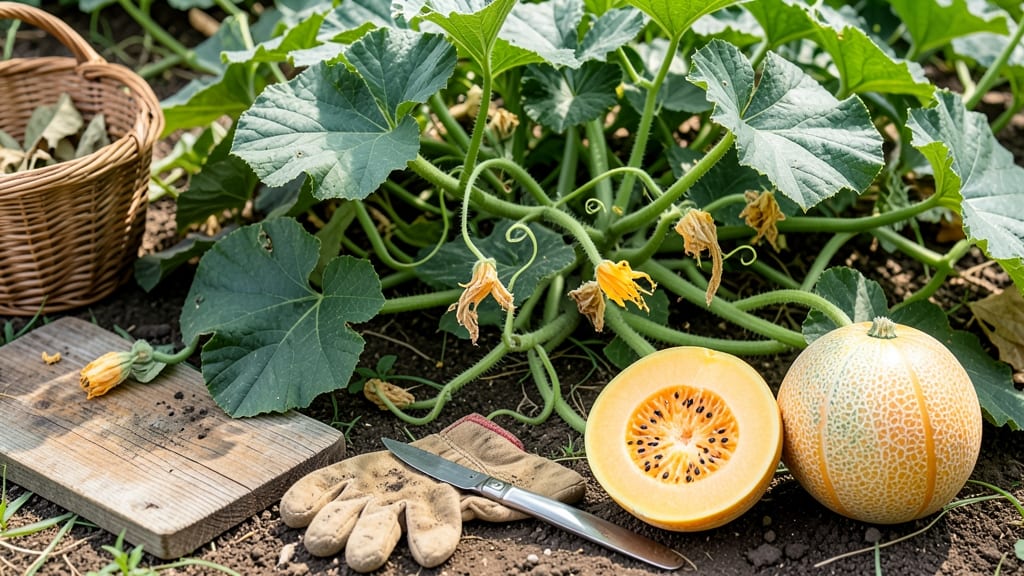
Picking cantaloupe from your garden at the right time means the difference between a melon so sweet it practically dissolves in your mouth and one that’s tough, bland, or worse—still rock-hard inside.
Here’s the truth: you can’t rely on days since planting or even size alone. The perfect cantaloupe 🍈 reveals itself through a mix of visual cues, texture, and even scent—signs that most gardeners overlook until it’s too late. Miss these clues, and your hard work goes to waste.
In this guide, I’ll walk you through the three foolproof signs that your cantaloupe is ready to pick, from the telltale creamy color to the stem’s secret trick. Whether you’re growing in USDA Zone 6a or a container, these tips will help you harvest at peak flavor—every single time.
You’ll also learn what to do if your melons aren’t quite there yet, how to store them for maximum freshness, and why timing matters more than you think. Let’s get started.


3 Visual and tactile signs your cantaloupe is perfectly ripe
There’s nothing worse than biting into a cantaloupe that’s still hard or bland—it means you missed the prime ripeness window. The good news? Nature gives you clear signals if you know what to look for.
From the vine’s behavior to the fruit’s scent, cantaloupes send unmistakable cues when they’re ready to harvest. I’ve learned the hard way that relying on size alone leads to disappointment, so let’s focus on the visual and tactile clues that guarantee sweet, juicy perfection.
First-time gardeners often assume cantaloupe ripeness is all about color, but the stem’s behavior and the fruit’s aroma are just as critical. Over the years, I’ve watched my cantaloupes go from hard green balls to sweet, fragrant gems—all thanks to these three foolproof signs.
Mastering them will turn your harvest from "meh" to "magical." Let’s dive into the definitive checklist so you never miss the perfect moment again.
🌱 numbered-highlights
When to Pick Cantaloupe: Your 3-Step Ripeness Checklist
- 1
- 2
- 3
The vine separation test is my top trick because it’s foolproof. I’ve seen cantaloupes that looked perfect but failed this test—turns out, they were still hard inside. Always start here before checking color or scent.
A ripe cantaloupe’s stem should detach with just a gentle twist, almost like it’s begging to be picked. If it resists, give it another 24-48 hours.
Color is the second clue, but here’s where many gardeners go wrong: they assume any yellow cantaloupe is ripe. The true ripe color is a creamy tan or pale yellow, often with a distinct net pattern on the rind.
Avoid fruits that are still green or have a dull, washed-out look. I once picked a cantaloupe with yellow patches but missed the net—it was rock-hard inside. Lesson learned!
Finally, the aroma test is non-negotiable for peak flavor. A ripe cantaloupe doesn’t just look good—it smells incredible. Cut the stem end and take a deep sniff. You should detect a sweet, musky fragrance that makes your mouth water.
No smell? It’s not ready. I’ve used this trick for years, and it’s saved me from bland, underripe melons more times than I can count.
Bonus tip: The thump test works too! Give the melon a light tap near the stem—it should sound hollow and dull, not solid. A crisp, high-pitched sound means it’s still firm.
I test this last because it’s less reliable than the other methods, but it’s a quick backup. Pair it with the stem slip and aroma check for the best results.
Regional timing matters too. In warmer climates, cantaloupes may ripen faster, while cooler areas need extra time. I’ve grown cantaloupes in USDA Zone 6a and found they’re typically ready by mid-to-late July, but always trust the fruit’s cues over the calendar.
If your cantaloupe is still green in August, it might need a warmer microclimate or more sunlight.
Pro move: Harvest in the morning when temperatures are cooler. This preserves sweetness and prevents the fruit from overheating on the vine. I’ve noticed a huge difference in flavor when I pick early—my cantaloupes stay sweeter longer. Plus, morning harvests mean you can enjoy them at their peak right away.
Now that you’ve mastered these signs, you’re ready to pick cantaloupes like a pro. The next time you’re eyeing your vines, remember: slip, sniff, and savor. Your taste buds—and your garden—will thank you.
How to test cantaloupe ripeness: step-by-step guide with common mistakes to avoid
Mastering the slip and sniff method is your secret weapon for perfect cantaloupe every time. This foolproof technique combines visual cues, tactile tests, and aroma analysis to ensure you harvest at peak ripeness.
Start by examining the vine attachment—the stem should detach easily when gently twisted, signaling the melon is ready to pick. This simple test prevents the most common mistake: harvesting too early when the fruit is still firm and underdeveloped.
Next, inspect the rind color for the telltale creamy yellow or tan hues with a distinct net-like pattern. Avoid confusing vine yellowing (from natural aging) with ripeness—focus on the melon's surface, not the stem. A dull or greenish rind means your cantaloupe needs more time on the vine.
Pro tip: Check the underside of the melon where it rested against the soil—this area often ripens first and shows color changes earliest.
Now for the scent test: Cut a small section near the stem and inhale deeply. A powerful sweet aroma (like a mix of honey and tropical fruit) confirms ripeness. If you detect no scent or an unpleasant odor, leave the melon on the vine.
This step catches hidden ripeness in melons that might look ready but aren't quite there. Remember: cantaloupes don't ripen further after picking, so this test is your final quality check.
For container gardeners, these tests work the same, but pay extra attention to stem detachment—containers can dry out faster, sometimes causing premature vine separation. If your cantaloupe detaches but doesn't pass the other tests, it's likely underripe.
In this case, store it at room temperature for 2-3 days to see if it develops more scent and softness. Never refrigerate until fully ripe, or the flavor will suffer.
Timing matters too: morning harvests yield the sweetest cantaloupes because the fruit's natural sugars peak after a cool night. Avoid picking after heavy rain or extreme heat, as these conditions can alter ripening cues.
If you're in USDA Zone 6a or warmer, your harvest window typically falls between mid-July and August, but always check your local frost dates—cantaloupes won't survive frost and must be picked before temperatures drop below 50°F (10°C).
Once you've confirmed ripeness, handle your cantaloupe with care. Place it on a paper towel-lined tray in a shady, well-ventilated spot for 1-2 days to develop full flavor. Avoid washing until ready to eat, as moisture speeds up spoilage.
With these techniques, you'll never again guess whether your cantaloupe is perfectly ripe or past its prime—just slip, sniff, and savor! 🍈