
Picking
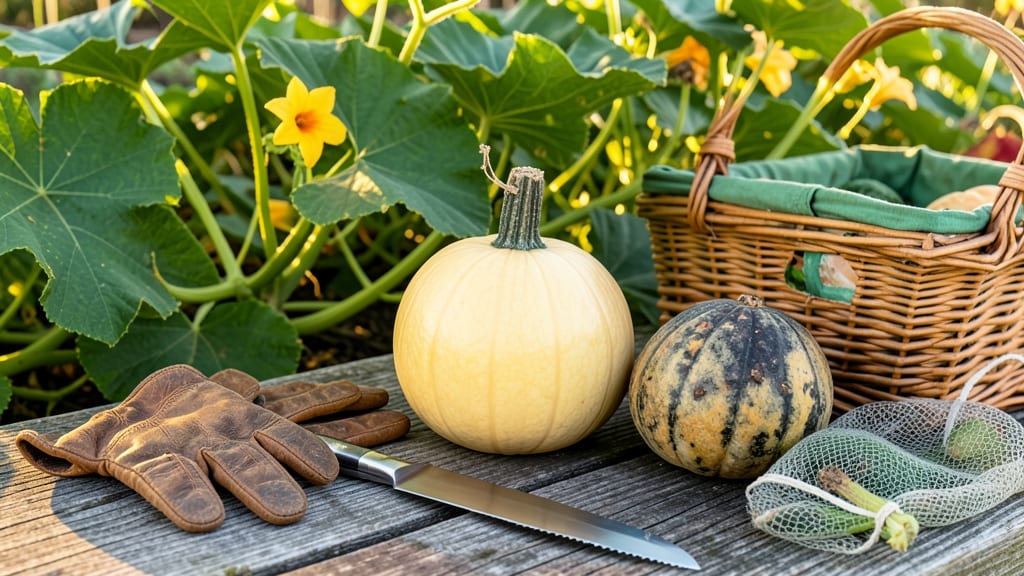
Picking spaghetti squash from the garden too early or too late means missing out on that tender, sweet flesh you love 🎃 — here’s how to nail the perfect harvest window for the best flavor and texture.
Picture this: you’ve waited months for your spaghetti squash to mature, only to slice into it and find the strands tough or the seeds oversized. That’s a common mistake, but the good news? A few simple checks can tell you exactly when to pick for that ideal, stringy perfection.
From the color of the rind to the sound when tapped, there are clear signs your spaghetti squash is ready. In this guide, I’ll walk you through the visual cues, the best time of day to harvest, and how to avoid the pitfalls of picking too soon or too late.
You’ll also learn how to store your harvest properly so the flavor stays sweet for weeks. Whether you’re a seasoned gardener or just starting out, these tips will help you turn your garden’s bounty into a delicious, restaurant-worthy meal.
5 Visual and physical signs your spaghetti squash is ripe for picking
Picking your spaghetti squash at the perfect moment transforms it from a bland, tough vegetable into a sweet, stringy delicacy. But how do you know when it's truly ready?
Unlike some squashes that soften as they ripen, spaghetti squash needs precise timing—too early, and you'll get tough, watery strands; too late, and the texture becomes grainy and dry. The key lies in observing 5 visual and physical cues that signal peak ripeness.
First, pay attention to the vine color and growth pattern. Healthy spaghetti squash vines start green but gradually shift to a dull yellow or brown as they mature.
When the vines near the fruit begin to wilt and dry out, it’s a strong sign that the squash is nearing harvest time. This change happens naturally as the plant redirects energy to the fruit, ensuring it reaches full maturity.
Now, let’s focus on the fruit itself. The rind color is one of the most reliable indicators. When ripe, the squash’s skin transitions from a vibrant green to a pale, matte yellow.
Avoid picking if the rind still has green patches—this means the squash needs more time on the vine. The color change happens gradually, so check your squash every 3–5 days during the final weeks of growth.
- 1. Vine Color Shift: Vines turn from green to dull yellow near the fruit. Look for wilting or drying leaves.
- 2. Rind Hardness: Press gently—ripe squash feels firm but not spongy. Use your thumb to test resistance.
- 3. Size and Weight: Mature squash reaches 8–12 inches long and feels heavy for its size. Lift it to gauge readiness.
- 4. Stem Condition: The stem should dry out and harden near the squash. Twist gently—it should snap easily.
- 5. Seed Development: Tap the squash—it should sound hollow when ripe. Avoid picking if it feels mushy inside.
Don’t overlook the size and weight of your spaghetti squash. At peak ripeness, these squashes typically measure 8–12 inches long and weigh between 3–8 pounds, depending on the variety. A ripe squash will feel surprisingly heavy for its size—almost like a dense watermelon.
If it feels light or hollow, it’s not ready yet. Lift it in your hands to get a sense of its weight; this simple trick saves you from harvesting prematurely.
The stem condition is another critical clue. As the squash matures, the stem connecting it to the vine will dry out and harden. When you gently twist the stem near the squash, it should snap cleanly rather than tear.
If the stem is still green and flexible, the squash needs more time. This is especially important because a dried stem indicates the squash has fully matured and stopped drawing nutrients from the vine.
Finally, use the tap test to confirm ripeness. Give the squash a firm tap with your knuckles—if it sounds hollow and deep, it’s ready to harvest. A dull or flat sound means the squash is underripe.
This test works because the seeds inside develop fully only when the squash is mature. Overripe squash may pass this test but will have grainy, dry strands instead of the silky texture you want.
Timing is everything when harvesting spaghetti squash. If you pick too early, the flesh will be tough and watery, while waiting too long can turn it dry and mealy.
By combining these 5 visual and physical signs, you’ll consistently harvest squash at its sweetest and most flavorful stage. Once picked, store them in a cool, dry place for up to a month to preserve their quality.
Pro tip: If you’re unsure, harvest a few squashes at slightly different stages to compare their textures. This hands-on approach helps you refine your timing for future harvests. With practice, you’ll develop an eye for spotting the perfect spaghetti squash every time—no guesswork required!
How to test spaghetti squash ripeness: the 3-Method hardness check
Once your spaghetti squash reaches the right size, you’ll need to test its ripeness to avoid tough flesh or oversized seeds. The best way? A simple hardness check using three foolproof methods.
These tests focus on the squash’s rind firmness, sound, and stem condition, which are all key indicators of peak ripeness.
I’ve used these same techniques for years, and they’ve never failed me. Whether you’re harvesting in late summer or early fall, these methods work in any climate zone.
The goal is to pick your squash when the flesh is tender but the skin is still intact—this ensures the sweetest, most flavorful results.
Here’s the catch: if you pick too early, the flesh won’t separate into those perfect spaghetti-like strands. If you wait too long, the seeds become too large, and the flavor can turn bitter. That’s why mastering these three tests is a game-changer for any gardener.
⚠️ callout-warning⚠️ Warning: Overripe Squash Ruins Texture!
If your spaghetti squash sits too long on the vine, the rind darkens to a deep yellow, and the stem shrivels. This means the flesh becomes woody and the seeds oversized. Harvest within 2–3 days of passing these ripeness tests to avoid disappointment.
First, try the finger pressure test. Press your thumb firmly into the skin near the stem. If it gives slightly but doesn’t dent deeply, your squash is ready.
A soft spot means it’s still immature, while a deep indentation signals overripeness. This test is my go-to because it’s quick and doesn’t damage the squash.
Next, perform the thump test by tapping the squash gently with your knuckles. A ripe squash will sound hollow, like knocking on a drum. If it sounds dull or flat, it’s not ready yet.
This method works best when the squash is dull yellow in color, another key visual cue.
Finally, check the stem twist. Gently twist the stem near the base—it should pop off easily without resistance. If the stem resists or snaps with force, the squash isn’t ripe. This final check ensures you’re harvesting at the perfect moment for maximum sweetness and tender flesh.
If your squash fails all three tests, don’t panic! Store it in a cool, dry place for 1–2 weeks and retest. Just avoid letting it sit too long, as the flavor degrades over time. With these methods, you’ll always know exactly when to pick for that ideal, restaurant-quality texture.