
Picking
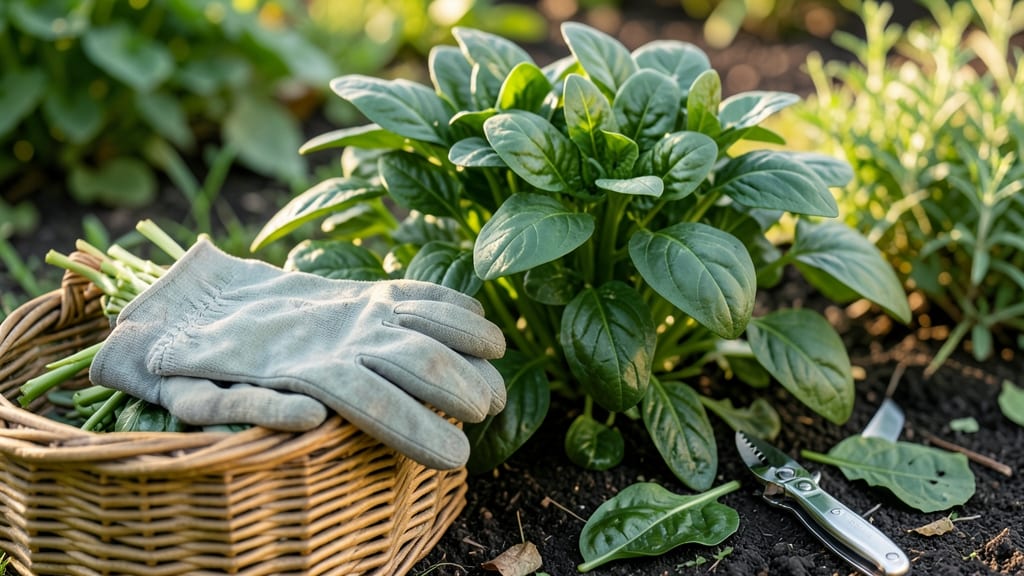
To pick spinach from your garden at the perfect time means tender, flavorful leaves and plants that keep producing all season — but timing is everything.
Harvesting spinach at the right stage is the difference between crisp, sweet bites and bitter, tough stems. Too early, and you’re wasting potential; too late, and you risk bolting or sacrificing flavor.
The key lies in leaf size, color, and growth cues that most gardeners miss until it’s almost too late.
Below, I’ll walk you through the exact signs to watch for — from 4-6 inch leaves to vibrant green hues — plus how to harvest without stunting your plants. Whether you’re growing spinach in spring or fall, these tips will help you maximize your yield while keeping your garden thriving.
You’ll also discover how often to pick, when to avoid harvesting, and how weather plays a role in timing. By the end, you’ll know exactly when to reach for those shears and how to keep your spinach 🍃 producing like a pro.


Spinach harvesting stages: when to pick for maximum flavor and growth
Knowing when to pick spinach from your garden is the secret to enjoying tender, flavorful leaves all season long. Unlike many vegetables, spinach thrives when you harvest it selectively, encouraging continuous regrowth.
The key lies in recognizing maturity stages—from baby leaves to full-grown plants—and understanding how climate conditions can shift your harvesting timeline.
Spinach typically reaches harvestable size in 30–60 days, but the best flavor comes from picking at the right moment. For baby spinach, you can start harvesting as early as 30 days when leaves are just 2–3 inches long.
Full-grown leaves, ready for cutting, usually measure 4–6 inches and have a deep, vibrant green color. Missing these cues often leads to bolting—when spinach sends up flower stalks—ruining both taste and texture.
Climate plays a huge role in timing. In cool spring or fall weather (ideal for spinach), you’ll have a longer window to harvest. But during hot summer months, spinach bolts quickly, so you’ll need to act faster—often harvesting every 7–10 days to stay ahead of the heat.
Below, I’ve broken down the exact stages and cues to watch for, so you never miss the perfect moment.
📌 Key Takeaway: Harvest spinach early and often—this prevents bitterness and bolting while maximizing your yield.
For baby spinach, focus on leaves that are 2–3 inches long and still tender. These can be harvested every 7–10 days without stressing the plant. Use clean scissors or pruning shears to snip leaves just above the soil line, leaving the inner leaves to keep growing.
This method ensures you get a steady supply of fresh spinach while avoiding the plant’s natural inclination to bolt.
When leaves reach 4–6 inches, they’re at peak maturity for full harvests. At this stage, the leaves should be deep green, crisp, and free of yellowing. The stems should feel firm but not woody.
If you wait too long, the leaves become bitter and tough, and the plant may bolt—sending up a flower stalk that ruins its edible quality. In hot climates, this transition happens faster, so monitor your plants closely.
If you’re growing spinach in fall or early spring, you’ll have more time to harvest mature leaves. In these cooler seasons, spinach grows slower, giving you a 2–3 week window to enjoy full-sized leaves before bolting becomes a risk.
Conversely, in late spring or summer, heat accelerates growth, and you may need to harvest every 5–7 days to prevent bolting. Always prioritize morning harvests—spinach wilted from afternoon heat loses flavor and texture.
One common mistake is harvesting all leaves at once, which shocks the plant and ends production. Instead, use the leaf-by-leaf method: pick the outer leaves first, leaving the inner rosette intact.
This encourages the plant to produce more leaves, extending your harvest by weeks or even months. For example, a single spinach plant can yield 3–5 harvests if managed correctly, compared to just one if you cut it all at once.
Pay attention to soil and weather conditions, too. Spinach thrives in cool, moist soil (60–70°F). If temperatures rise above 75°F, the plant will bolt quickly. To delay bolting in hot weather, provide afternoon shade with a row cover or shade cloth.
Additionally, ensure your soil stays consistently moist—drought stress is another trigger for bolting. A simple trick is to mulch around plants to retain moisture and regulate soil temperature.
Finally, store harvested spinach properly to preserve its freshness. Rinse leaves gently, pat dry, and store in a perforated plastic bag in the fridge for up to 5–7 days.
For longer storage, blanch and freeze spinach. By mastering these harvesting stages and cues, you’ll enjoy a continuous supply of fresh
Leaf-by-leaf harvesting method: how to extend spinach production all season
If you want to keep your spinach plants producing tender leaves all season, the secret lies in a technique called leaf-by-leaf harvesting. This method lets you pick outer leaves while protecting the inner growth, ensuring your plants stay productive for weeks longer.
Unlike cutting the whole plant, this approach mimics nature—just like how spinach would grow in the wild.
The key is timing: harvest when outer leaves reach 4-6 inches long and are fully developed, but before they become tough or bitter. By following this method, I’ve extended my spinach harvest by 4-6 weeks compared to traditional cutting.
The best part? You can do it every 7-10 days without stressing the plant.
How to Harvest Spinach Leaf-by-Leaf
- Step 1: Wait for maturity: Harvest when outer leaves reach 4-6 inches and are dark green. Avoid harvesting if leaves are pale or small.
- Step 2: Use clean tools: Snip leaves with sharp scissors or pruning shears at the base, leaving 1-2 inches of stem attached to the plant.
- Step 3: Prioritize outer leaves: Always pick from the outer edges first, working inward to protect the inner growth point.
- Step 4: Harvest every 7-10 days: Consistency is key. Over-harvesting can stress the plant, while under-harvesting may lead to bolting.
- Step 5: Avoid bolting triggers: Stop harvesting if plants start forming flower stalks or if temps rise above 75°F (24°C).
To avoid bolting—when spinach sends up flower stalks—keep an eye on weather and growth. Heat stress and drought are the top culprits, so mulch around plants to retain moisture and provide afternoon shade in hot climates.
I’ve found that harvesting in the morning (when leaves are crisp) also improves flavor and texture.
Pro tip: If your spinach starts to bolt, don’t panic! Cut the entire plant at the base and use the leaves in soups or smoothies before they become too tough. The plant may not recover, but you’ll still get a harvest out of it.
For future seasons, opt for heat-tolerant varieties like 'Tyee' or 'Bloomsdale Long Standing' if you live in a warm climate.
With this method, I’ve seen spinach plants produce continuous harvests for up to 8 weeks in cool seasons. The trick is balance: pick enough to enjoy fresh greens, but leave enough behind to keep the plant growing.
Your goal is to encourage regrowth, not exhaust the plant. Happy harvesting! 🥬