
Planting
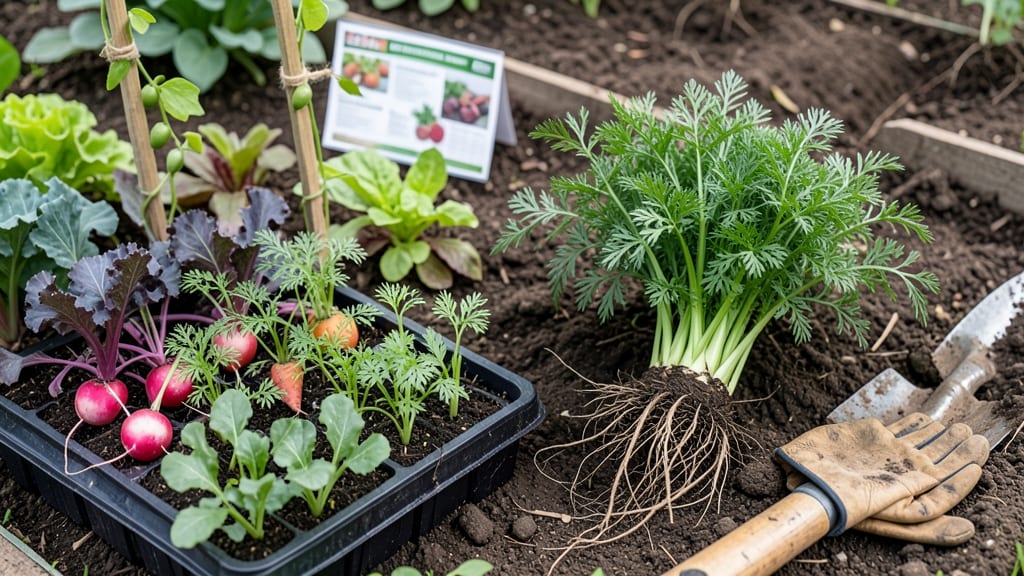
To plant a garden in Cleveland, Ohio, aim for early spring (March–April) and late summer (August–September) to align with the 6a zone’s frost-free window.
Cleveland’s unpredictable weather can turn a gardener’s dream into a frustrating gamble—but timing your plantings just right ensures a thriving garden instead of a failed experiment. Discover the exact months to plant in Cleveland for maximum success, tailored to your favorite vegetables and flowers.
Cool-season crops like lettuce and peas thrive when seeded 4–6 weeks before the last frost (around April 15), while tomatoes and peppers need to wait until 2–3 weeks after the frost risk passes. The key is balancing patience with the short growing season.
Below, I’ll break down the best planting schedule by crop type, how to adjust for late frosts, and pro tips to stretch your harvest—so you can enjoy a bountiful garden without the guesswork.
Cleveland’s planting zones & frost dates: what you Must Know Before Starting
Cleveland’s USDA Hardiness Zone 6a/6b sets the stage for a productive garden, but understanding frost dates is what truly separates thriving plants from wilted failures. With last frost dates ranging from April 15 to May 15 and first frost arriving between October 15 and November 1, timing is everything.
These dates create a 165-day growing window, which is perfect for both cool-season crops and warm-season favorites—if you play by the rules.
In my experience, cool-season crops like spinach and peas thrive when planted 4-6 weeks before the last frost, while tomatoes and peppers need to wait until 2-3 weeks after to avoid frost damage.
Cleveland’s lake-effect weather can push these dates earlier or later, so always stay flexible. The key is knowing your microclimate—areas near Lake Erie may experience milder springs, while inland spots can be colder.
Here’s the golden rule: Use the last frost date to guide your cool-season planting and the first frost date to plan your fall harvests. For example, kale and carrots can handle light frosts, while basil and cucumbers will bolt or die if exposed.
This table breaks down the critical timelines to help you avoid common mistakes.
| Planting Window | Key Crops | Frost Risk | Action |
|---|---|---|---|
| Early Spring (March - April) | Peas, Spinach, Lettuce | High (late frosts) | Use row covers for protection |
| Late Spring (May) | Tomatoes, Peppers, Basil | Low (after last frost) | Direct sow after May 15 |
| Summer (June - July) | Corn, Beans, Squash | None (peak warmth) | Succession plant for harvests |
| Early Fall (August - September) | Kale, Carrots, Radishes | Moderate (early frosts) | Plant 6-8 weeks before first frost |
One of the biggest mistakes I see is planting warm-season crops too early. For example, tomatoes started in March will stall when temperatures dip below 50°F. Instead, wait until mid-May to ensure soil warmth and consistent growth.
Similarly, cool-season crops like broccoli can handle light frosts but will bolt if planted too late in the season.
Cleveland’s microclimates add another layer of complexity. Gardens near Lake Erie often enjoy 2-3 warmer weeks in spring and fall compared to inland areas. If you’re unsure about your local conditions, use a frost calendar or check with your local Cooperative Extension office for updates.
I always plant a few extra cool-season crops in late summer to hedge against early frosts.
Another pro tip: Extend your growing season with row covers or cold frames to protect tender plants. These tools can push your last planting date by 3-4 weeks in fall, giving you time for a second harvest of lettuce or radishes.
Just remember to remove covers during the day to avoid overheating.
For perennials and shrubs, timing matters too. Plant woody plants in early spring or fall when the soil is workable but not frozen. This gives roots time to establish before winter dormancy.
In my garden, asparagus crowns planted in April produce their first harvests by year three, while those planted in fall may struggle with frost heave.
Finally, don’t forget that soil temperature is just as critical as air temperature. Use a soil thermometer to confirm when it’s safe to plant warm-season crops—aim for 60°F or warmer for most vegetables.
In Cleveland, this usually aligns with late May, but it can vary yearly. Keeping a gardening journal helps track these patterns over time.
By mastering these frost dates and planting windows, you’ll transform Cleveland’s unpredictable climate into an advantage. Start with cool-season crops in early spring, follow up with warm-season favorites after the last frost, and end with hardy fall harvests before the first freeze.
With this strategy, your garden will thrive—no gamble required. 🌱
Best planting months in Cleveland by plant type: a month-by-month guide
Cleveland’s 165-day growing season demands precision—plant too early, and frost will strike; too late, and your tomatoes won’t ripen. The key is matching each plant type to its ideal window, whether you’re starting seeds indoors or sowing directly.
For cool-season crops like lettuce and spinach, begin in March under row covers, while warm-season favorites like tomatoes and peppers need to wait until after May 15.
Microclimates near Lake Erie can push frost dates back by 2 weeks, so monitor local forecasts. Below, I’ve mapped out the perfect planting schedule—plus succession planting tips to keep your harvests rolling all summer.
For herbs like basil and dill, sow seeds directly in May–June—they bolt quickly in Cleveland’s heat. Perennials (like lavender and coneflowers) thrive when planted in spring or early fall, giving roots time to establish before winter.
Pro tip: Use row covers to extend cool-season planting into early April or protect late summer crops from early October frosts. With this schedule, you’ll avoid the most common Cleveland gardening pitfalls—like frost-killed tomatoes or bolted lettuce—and enjoy a garden that’s always in season. 🌱