
Planting
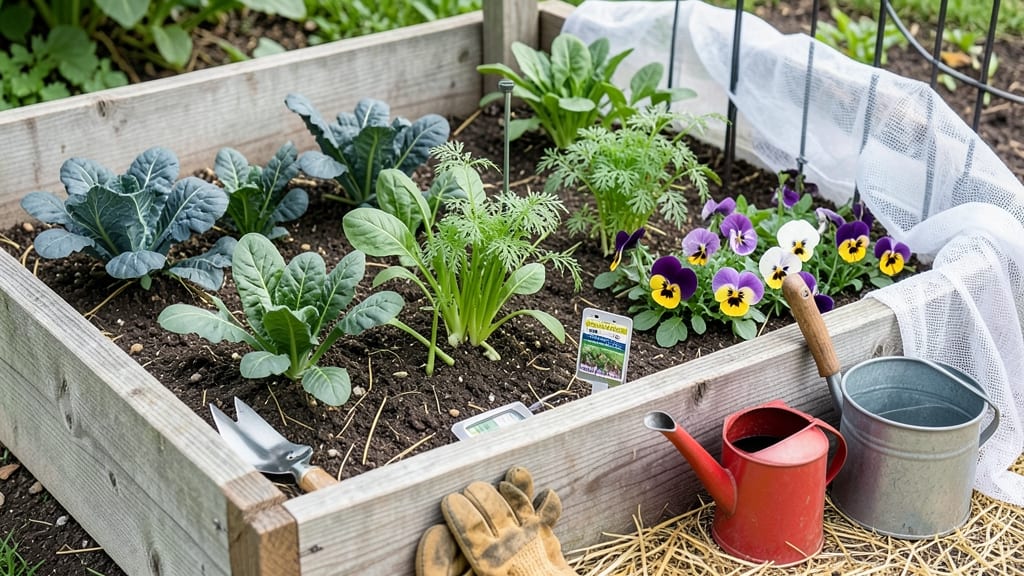
To plant a garden in Michigan at the perfect time means timing it right after the last frost—usually late April to mid-May—when the soil warms up and the risk of frost fades away 🌱.
Michigan’s unpredictable frost dates can turn a gardener’s dream into a frozen nightmare—unless you know the exact timing for your specific zone. Plant too early, and your seedlings will shiver; too late, and you’ll miss the growing season entirely.
With USDA Zones 5a-6b across the state, the Upper Peninsula and northern Lower Peninsula often wait until early May, while southern Michigan can start as early as late April. Microclimates near lakes or urban areas can shift those windows by weeks.
Below, I’ll break down the best months for cool-season crops, warm-season staples, and how to stretch your growing season—so you get the best harvest from June through October, no matter where you’re planting.
Michigan’s planting zones & frost dates: what you Must Know Before Digging
Michigan spans USDA Hardiness Zones 4-6, meaning frost dates can vary by weeks or even months depending on your location. In the Upper Peninsula (Zone 4), gardeners face earlier last frosts (mid-May) and longer winters, while Southern Lower Michigan (Zone 6) enjoys later first frosts (mid-October).
These differences mean tomatoes in Traverse City might need row covers in June, while Detroit gardeners can plant them in May.
Even within zones, microclimates like Great Lakes shorelines or urban heat islands can shift planting windows by 10-14 days. For example, Saugatuck’s lake-effect cooling delays warm-season crops by 2 weeks compared to inland areas. Always check local frost records—your neighbor’s garden might not match your timeline!
Here’s the non-negotiable rule: Wait until after your average last frost date to plant warm-season crops like peppers and eggplants. Cool-season crops (spinach, kale) can handle light frosts, but hard freezes will kill them.
Use Michigan State University’s frost date maps or track 32°F lows via weather apps like Old Farmer’s Almanac.
| Region | USDA Zone | Avg. Last Frost | Avg. First Frost | Growing Season | Microclimate Notes |
|---|---|---|---|---|---|
| Upper Peninsula (Marquette, Houghton) | 4a-5a | May 10–20 | September 20–October 5 | 130–150 days | Shorter season; use cold frames for early starts. |
| Northern Lower (Traverse City, Grand Rapids) | 5b-6a | May 1–15 | October 5–15 | 150–170 days | Lake-effect delays warm crops; urban areas warm faster. |
| Southern Lower (Detroit, Kalamazoo) | 6a-6b | April 25–May 10 | October 15–30 | 170–190 days | Longest season; heat islands extend late planting. |
If you’re in Zone 4 (UP), start cool-season crops like peas and spinach indoors by March and transplant after soil warms. Zone 6 gardeners can direct-sow radishes in early April—they’re frost-tolerant and ready in 30 days!
For warm-season crops, wait until soil reaches 60°F (test with a thermometer) to avoid stunted growth.
Don’t rely on calendar dates—track soil temperature and weather forecasts. A late April snow (Michigan’s specialty!) can push last frosts into early June in the UP. Use frost cloth or row covers to protect seedlings if nighttime temps dip below 32°F after planting.
Urban gardeners often enjoy earlier springs due to heat islands, but concrete and pavement can also cause drought stress. Amend soil with compost to retain moisture, and mulch to regulate temperature. If you’re near Lake Michigan, expect cooler summers—ideal for leafy greens but challenging for tomatoes.
For perennials and shrubs, plant in early spring or fall when roots can establish before extreme cold. Bulbs like tulips should go in by Thanksgiving to naturalize. Avoid planting in summer—heat stress reduces root growth.
If you’re in Zone 5b, consider hardy varieties like ‘Ken’s Red’ zucchini or ‘Early Girl’ tomatoes, bred for shorter seasons.
Remember: Michigan’s growing season is short but intense. Plan for succession planting—sow lettuce every 2 weeks from May to August to avoid bolting. And always have row covers ready for late-season heatwaves or early frosts. With the right timing, you’ll beat the frost—and the neighbors’ envy!
Best vegetables to plant by month in Michigan (Zone-specific calendar)
Michigan’s cool-season crops like spinach and peas thrive when planted in early spring, while tomatoes and peppers need warmer soil—so timing is everything. The key is avoiding April snow and late-summer heatwaves that can stunt growth.
Southern Michigan can start as early as late April, but northern regions often wait until early May to play it safe.
For direct sowing, cool crops like lettuce and radishes can go in the ground as soon as soil is workable (around mid-April in southern zones). Warm-season crops like cucumbers and squash should wait until after the last frost, usually late May.
Transplanting seedlings (like tomatoes) is best done after soil reaches 50°F, typically mid-May to early June.
| Month | Cool-Season Crops (Direct Sow) | Warm-Season Crops (Transplant) | Notes |
|---|---|---|---|
| March | Peas, Spinach, Lettuce (cold frames) | Start tomatoes, peppers indoors | Use row covers for frost protection |
| April | Spinach, Peas, Radishes, Carrots | Hardening off seedlings | Watch for April snow—delay if needed |
| May | Broccoli, Kale, Beets | Transplant tomatoes, peppers after frost | Soil should be 50°F+ for warm crops |
| June | Successive plantings of lettuce | Plant cucumbers, squash after last frost | Mulch to retain moisture |
| July | None (too hot) | Plant fall crops like kale | Shade cloth for heat-sensitive plants |
| August | Spinach, Radishes (for fall harvest) | None (focus on harvest) | Prepare for first frost in October |
In July and August, focus on succession planting for cool crops like spinach and radishes, which can tolerate cooler fall temperatures. For warm-season crops, late July plantings of beans or cucumbers can still produce a harvest before frost.
Always check your local frost-free date—northern Michigan’s first frost can arrive as early as mid-October, while southern regions may stretch until early November.
To beat Michigan’s late-summer heatwaves, use shade cloth for delicate crops like lettuce or basil. Mulching with straw or leaves helps retain moisture and keeps roots cool.
For fall gardens, start broccoli and kale in late July to harvest before winter sets in. These cool-season crops actually taste sweeter after a light frost!
Pro tip: Keep a planting journal to track your local frost dates and adjust timing each year. Michigan’s climate shifts yearly, so flexibility is key. With this month-by-month guide, you’ll avoid the heartbreak of frost-nipped seedlings and maximize your harvest from June through October.