
Planting
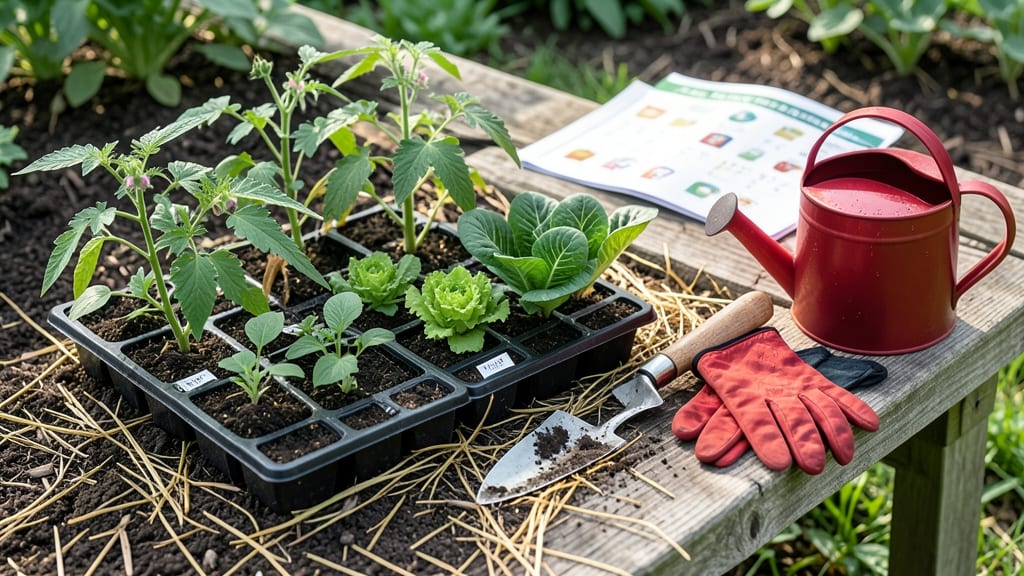
Planting a garden in NC at the right time means the difference between a bountiful harvest and a wasted season—especially with the state’s 6b-8a zones and coastal-to-mountain climate shifts.
North Carolina’s diverse climate—from the mountains to the coast—means your garden’s success hinges on timing. Plant too early, and frost will strike; too late, and you’ll miss peak harvests. Here’s the exact schedule for planting in NC’s 7 USDA zones, optimized for maximum yield.
Cool-season crops like lettuce and spinach can go in the ground as early as late February in Zone 8a, while Zone 6b gardeners should wait until early April to avoid frost damage.
Warm-season favorites like tomatoes and peppers need to wait until 2-3 weeks after the last frost, which varies wildly across the state.
Below, I break down the fastest planting windows by zone, microclimate tweaks for urban vs. rural gardens, and the 5 biggest mistakes NC gardeners make—and how to avoid them.
NC planting calendar by USDA Zone: exact start dates for vegetables, flowers & herbs
North Carolina spans USDA Zones 5a to 8a, creating dramatic differences in planting windows. In Zone 5a (mountains like Boone), your last frost typically arrives April 15–May 1, while Zone 8a (coastal Wilmington) enjoys frost-free soil until November 15.
These variations mean your tomatoes in Asheville need a different timeline than those in Raleigh.
To simplify, I’ve broken down spring and fall planting windows by zone, including cold-hardy crops for early starts and heat-lovers for late-season success. For example, spinach thrives in Zone 6b’s March 1–April 15 window, while sweet potatoes wait until May 15–June 1 in Zone 7b.
Here’s your zone-by-zone planting calendar, including last frost averages for Raleigh (7b), Asheville (6b), and Wilmington (8a). Use this as your guide to avoid frost damage or bolting in heat-sensitive crops like lettuce.
⚠️ PRO TIP: Always check your local Almanac for 5-year frost averages, as microclimates (like urban heat islands) can shift dates by 1–2 weeks.
| USDA Zone | Last Frost (Avg.) | Spring Planting Window | Fall Planting Window | Cold-Hardy Crops | Heat-Loving Crops |
|---|---|---|---|---|---|
| 5a (Boone) | April 25–May 10 | March 15–April 15 | August 1–September 1 | Peas, Spinach, Kale | Tomatoes, Peppers (late) |
| 6a (Asheville) | April 10–April 25 | March 1–April 1 | August 15–September 15 | Lettuce, Broccoli, Radishes | Okra, Sweet Potatoes |
| 6b (High Point) | April 1–April 15 | February 28–March 31 | August 1–September 10 | Cabbage, Carrots, Onions | Cucumbers, Eggplant |
| 7a (Raleigh) | March 20–April 5 | February 15–March 15 | August 15–October 1 | Peas, Spinach, Arugula | Tomatoes, Peppers, Basil |
| 7b (Charlotte) | March 15–March 30 | February 1–March 1 | August 1–September 30 | Lettuce, Radishes, Herbs | Squash, Corn, Green Beans |
| 8a (Wilmington) | February 15–March 1 | January 1–February 15 | September 1–November 1 | Broccoli, Cauliflower, Peas | Sweet Potatoes, Peppers, Okra |
For Zone 8a gardeners like those in Wilmington, you can plant lettuce in January and enjoy fall crops until November. Meanwhile, Zone 5a growers in the mountains should start seeds indoors in February to extend their season.
My rule of thumb: Plant cool-season crops 4–6 weeks before your last frost and warm-season crops 2–3 weeks after.
Don’t forget succession planting! In Zone 7b (Raleigh), sow bush beans every 2 weeks from April to July for a continuous harvest. Similarly, spinach in Zone 6b (Asheville) can be replanted in late summer for a fall crop before frost.
If you’re in Zone 8a and love tropical plants, consider year-round planting of basil, cilantro, and okra. These thrive in the
How to adjust planting times for NC’s microclimates (mountains vs. coast)
North Carolina’s mountain regions like Asheville (Zone 6b-7a) face shorter growing seasons and cooler nights, while coastal areas like Wilmington (Zone 8a) deal with humidity and heat stress. These microclimates demand different planting strategies to maximize yields.
In the mountains, start cool-season crops 2-3 weeks earlier than coastal areas, while coastal gardeners must prioritize heat-tolerant varieties to avoid wilting.
The last frost dates in Asheville average April 15, giving you just 150 frost-free days—perfect for quick-maturing crops like bush beans or radishes. Meanwhile, Wilmington’s last frost is March 1, with 240 frost-free days, allowing for longer-season crops like sweet potatoes and okra.
Adjust your planting schedule accordingly to avoid frost damage or missed harvests.
| Region | Last Frost | First Frost | Spring Planting Window | Fall Planting Window |
|---|---|---|---|---|
| Mountains (Asheville) | April 15 | October 15 | March 15 - April 15 | August 1 - September 1 |
| Coastal (Wilmington) | March 1 | November 15 | February 15 - March 31 | July 15 - September 15 |
For mountain gardeners, focus on succession planting to stretch your short season. Plant cool-season crops like kale and carrots in early spring, then follow with warm-season crops like zucchini and cucumbers after the last frost.
Use row covers to extend the season by 2-3 weeks in early spring or late fall.
Coastal gardeners should prioritize heat-tolerant varieties like Okra ‘Clemson Spineless’ or Sweet Potato ‘Beauregard’, which thrive in Zone 8’s humidity. Plant warm-season crops in late February under protective covers, then transition to direct sowing by mid-March.
Avoid planting bolting greens like lettuce in summer, as they’ll turn bitter quickly.
Both regions benefit from mulching—mountain gardens retain heat during cool nights, while coastal gardens reduce soil moisture loss. Use straw or wood chips to keep roots cool and conserve water.
In the mountains, raise beds to warm soil faster; on the coast, shade cloth protects seedlings from intense afternoon sun.
By aligning your planting schedule with your local microclimate, you’ll avoid common pitfalls like frost damage or heat stress. Test soil temperatures before planting—40°F+ for cool crops and 60°F+ for warm crops—to ensure success. With these adjustments, your NC garden will thrive year after year!